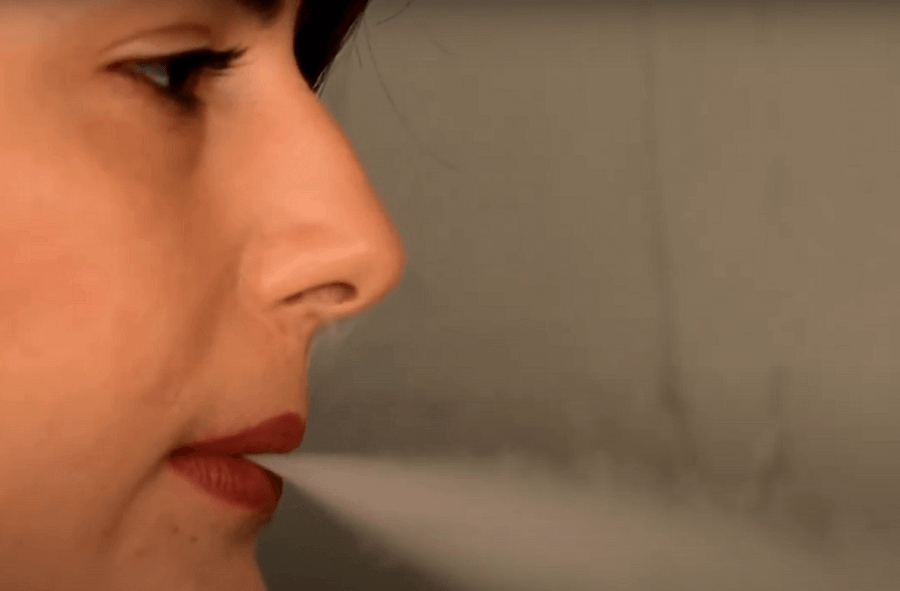


Portrait of a man
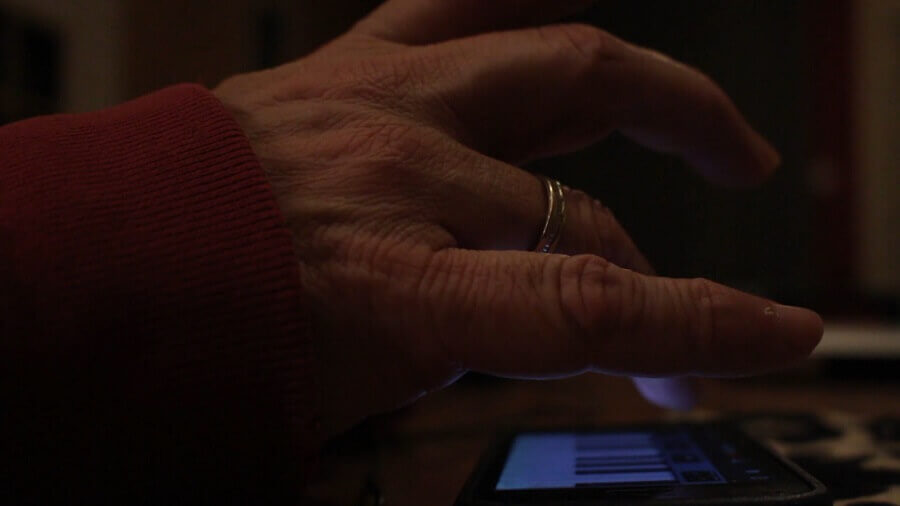
This short film is the portrait of a man, emphasizing a specific aspect of himself, that is, his engagement with musical improvisation.
Andreas Lazidis/ Fotis Lazidis
Related Works
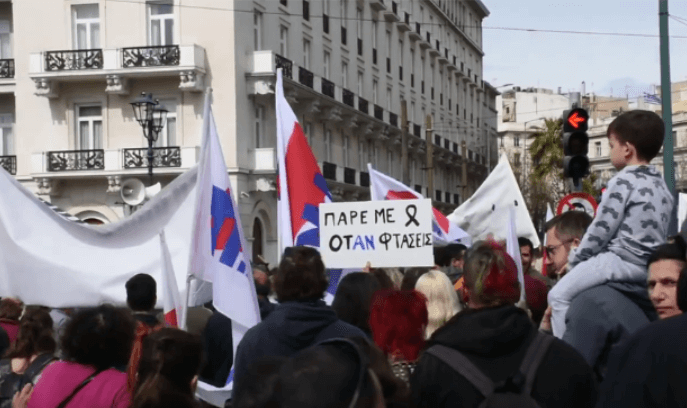
The documentary presents an important incident that happened in Poland in October 2020: The government announced the almost universal ban on abortions, and daily protests followed until the government freeze the law. Two women talk about their own involvement in demonstrations and express their feelings about government decisions.

This documentary is about my grandmother, Areti. I have her name. She is a very simple and sweet person. She always wants to take care of and feed us.

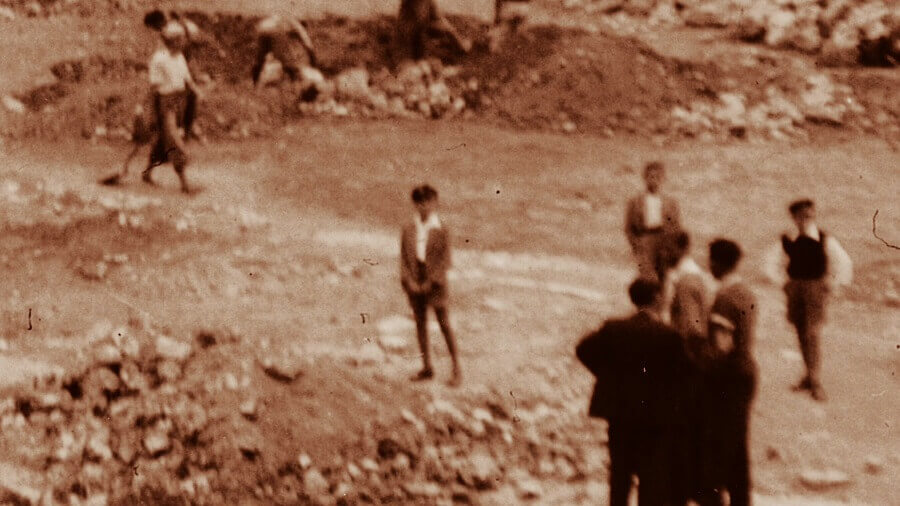
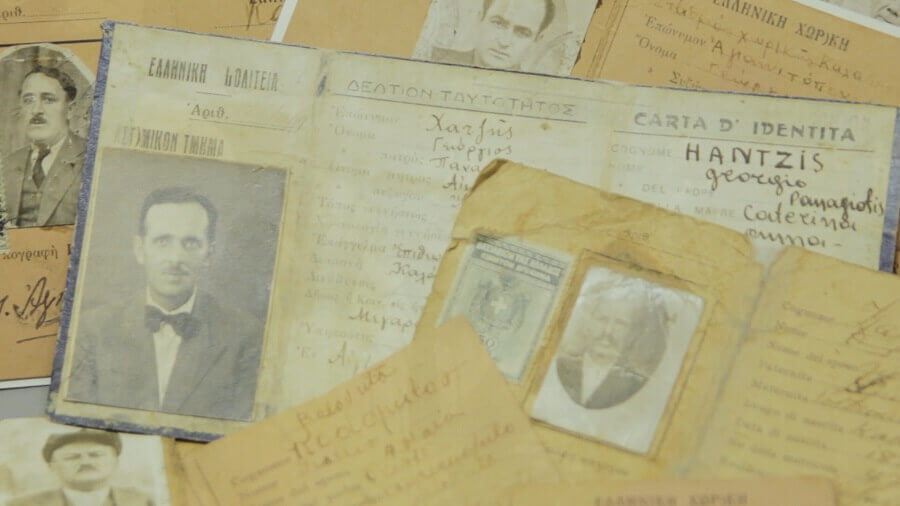
A documentary about Lazaretto, the desert islet near the city of Corfu that functioned for centuries as a quarantine station as well as a place of execution for political prisoners during the Greek Civil War. The identity of the place is approached through fragmentary testimonies and original sources.
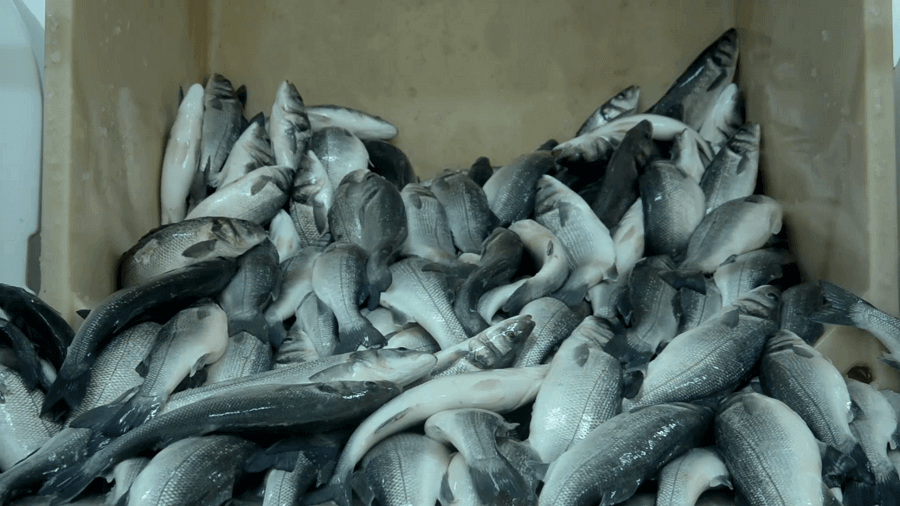
Visual investigation and documentation of the production chain of a fish packing factory.

It’s Monday, the 13th of December 1943, the small town of Kalavryta is set on fire by the occupation army of Nazi Germany while the entire male population is being gathered on a nearby hill and shot dead. This war crime will go down in history, along with the massacre of Acqui Division, as the largest mass killing in Greece during WWII. Three men who witnessed these events as kids, locked up with the rest women, children and elderly people in Kalavryta’s primary school, recall this traumatic experience.
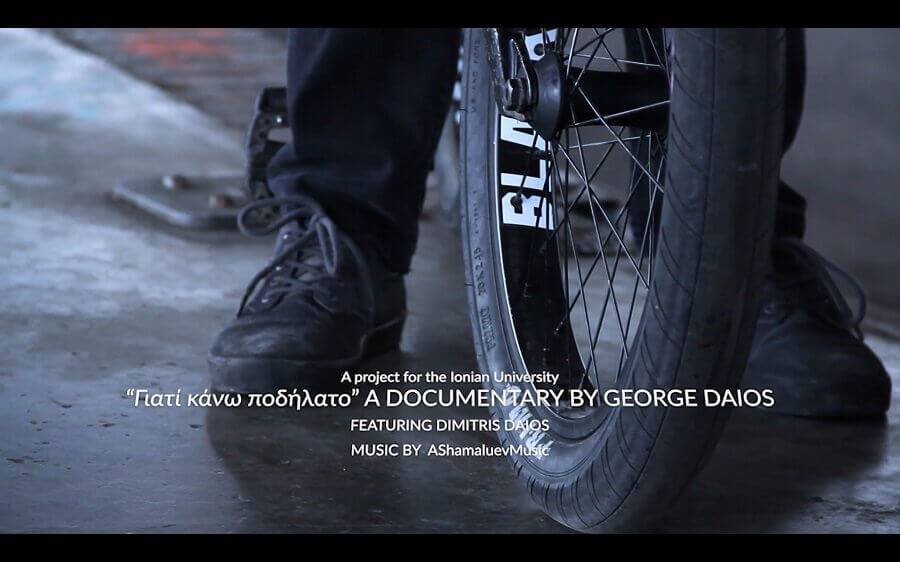
A young bicycle rider explains why he wants to spend so much time with this sport: The hard and great times that bike gives him.
This documentary follows a young man who collects “useless” objects, like electronic devices that people throw away. To him, a broken hoover or a rusty stove is an opportunity to explore its “inner micro-world”, which is comprised of complex circuits, motors and other electronic systems. It is also a chance to alter those devices and give them a new life.