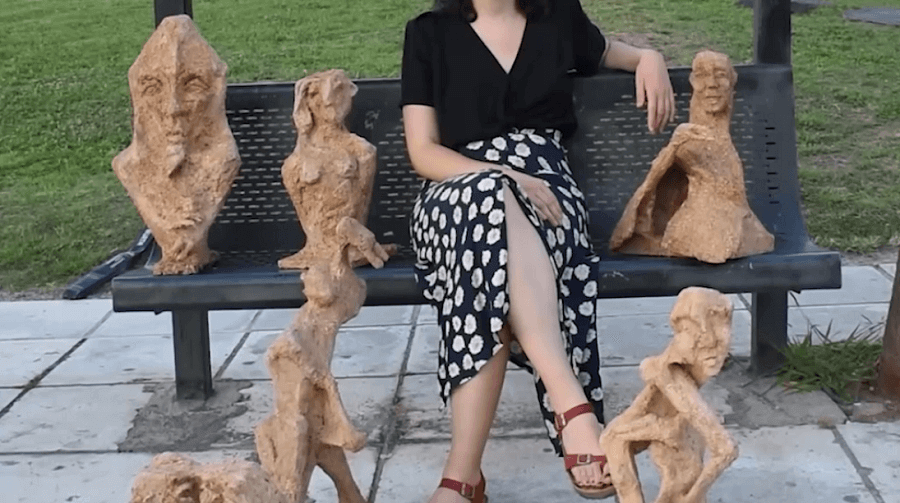


In between moments
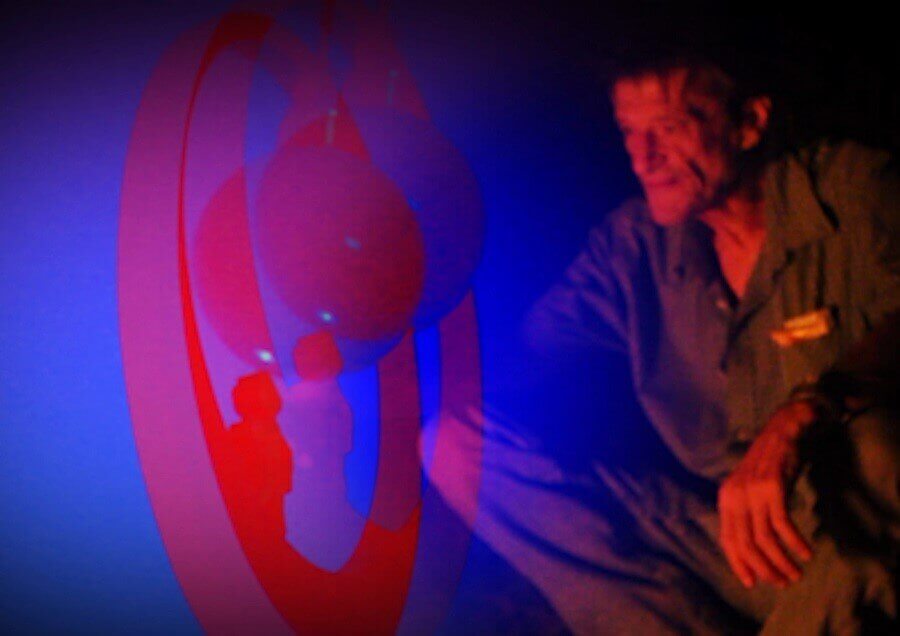
Moments that meet and compose new ones through clips of a few seconds. Their common point is the associative thinking during their creation and the sense of the surrealistic-dreamlike mood.
Related Works
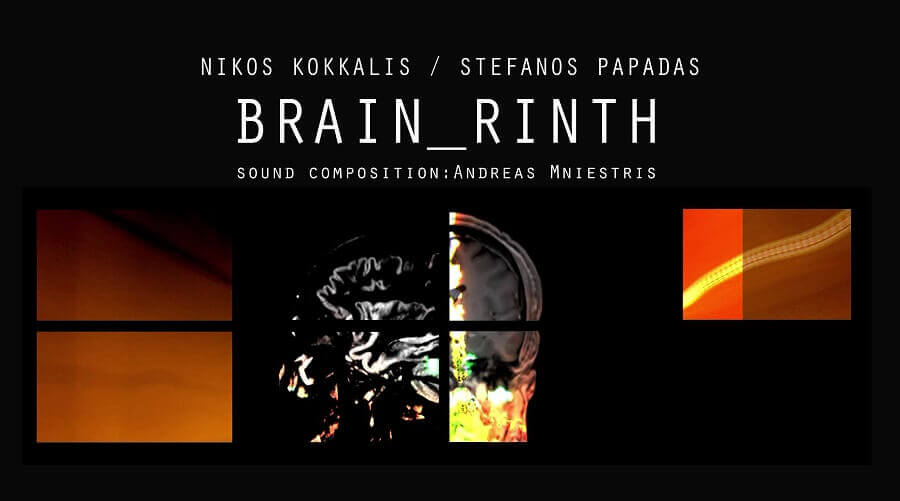
BRAINRINTH is a multi-channel video installation. The work attempts – through technology – to approach brain-related functions of memory, drawing on material from personal experience of the body in crisis. The title BRAINRINTH –from the words Brain and Labyrinth – is a play on the intractable riddle of an archetypal Greek structure (the labyrinth) and the labyrinthine processes of the human brain. The BRAINRINTH installation seeks a poetic mapping of the human brain.
Due to the shock of trauma, our understanding of the functioning of the body, and of nature itself –which we are trying to dominate – seems desperate and full of anxiety. Taking this into account, if we adopt a position in which we keep a distance of aesthetic neutrality, perhaps this reality begins to look less frightening.
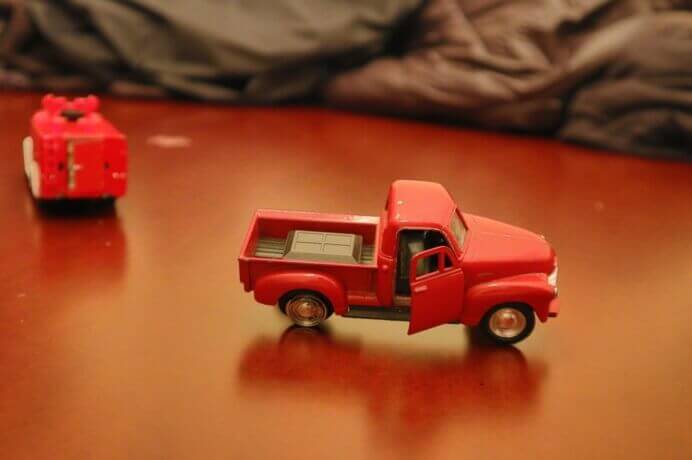
The Wroom, is a movie that start with two red iron cars, a 1953 Chevrolet 1100 & a 1954 Magirus Deutz small fire engine, spilling out of a race of skills, flips and drifts at speed in the dining room of their home. In a brightly room, in a world where imagination knows no bounds.
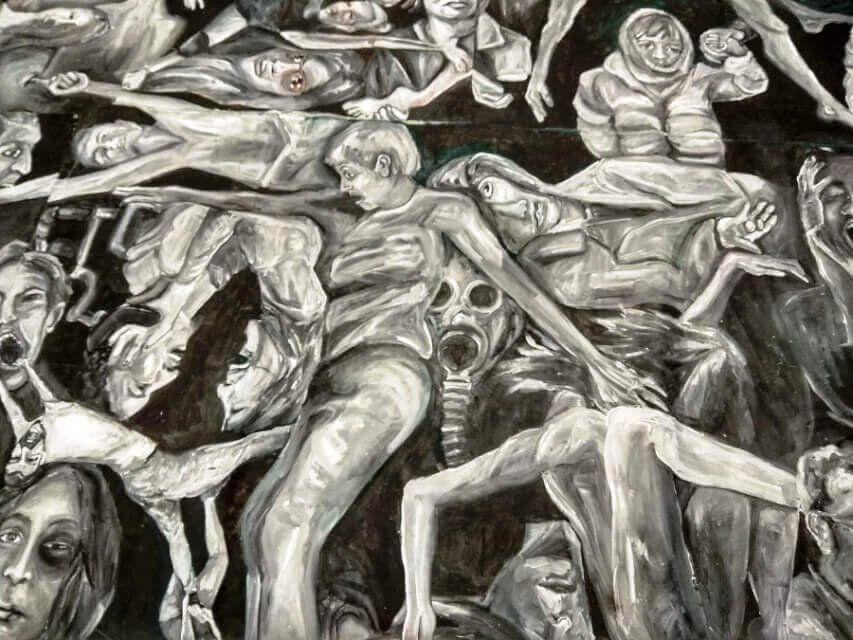
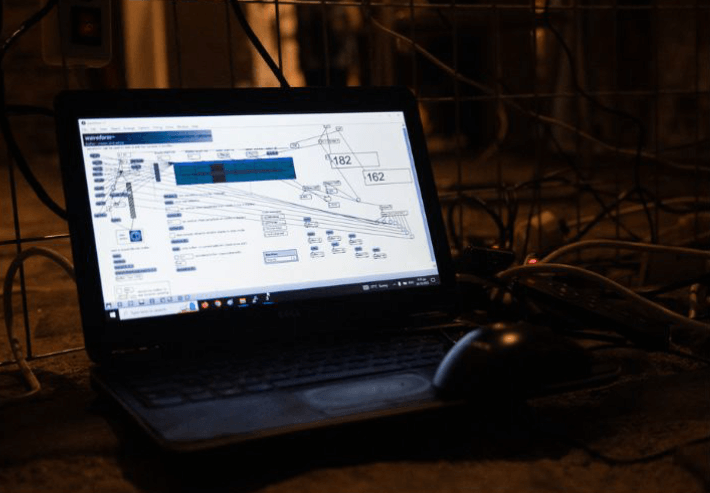
EX-SITU[existing situations] is an interactive installation that incorporates a computer, sound, and lighting technologies in which users/ viewers take part in the destruction of the painting by stepping on it. At the same time, a motion tracking system marks visitors and a light spot tracks them.
The content of EX SITU calls for awareness of social indifference, self-promotion, and their impact on society. The structure of EX SITU is intentionally ambiguous, revealing the obsession/fascination for the protection of material in contrast with the empathy for other people.
The interactive installation underlines the responsibility of individuals in society. The theoretical part analyses the Destruction in Art Symposium in 1966 and The bystander effect, or bystander apathy, in which individuals are less likely to offer help to a victim when other people are present.
Multiple distance sensors trigger sound events ας people move around and get close to the grid with the srceens.
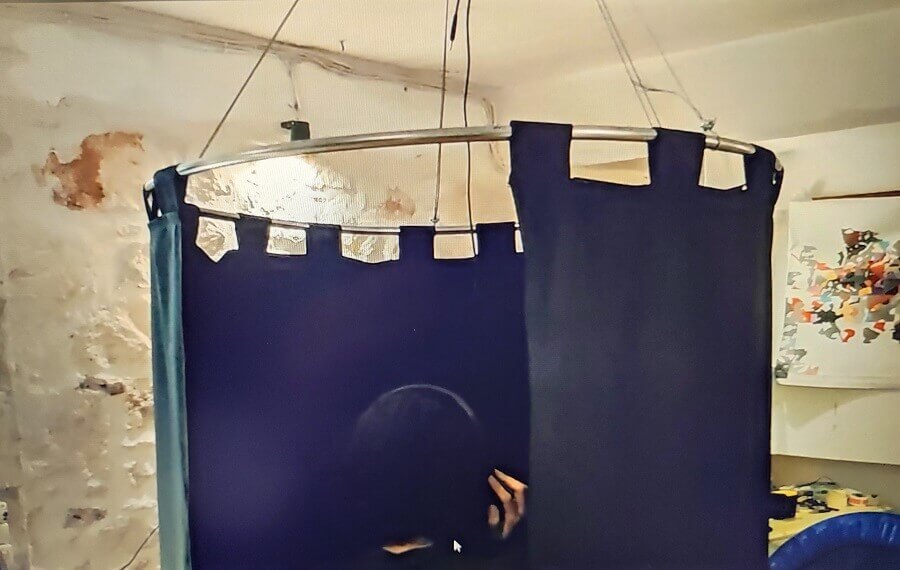
A place of relative isolation and no influence from the outside environment. Black cloth with a small opening that the viewer enters wearing headphones and playing a soundscape I created on a magnifying glass.
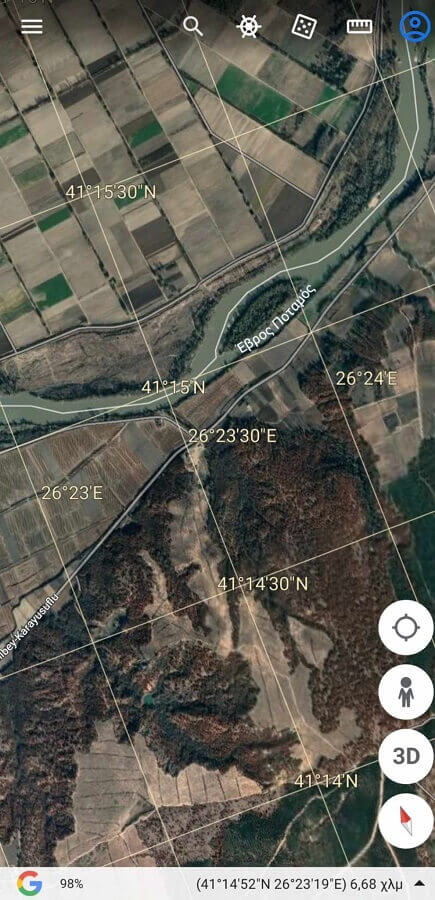
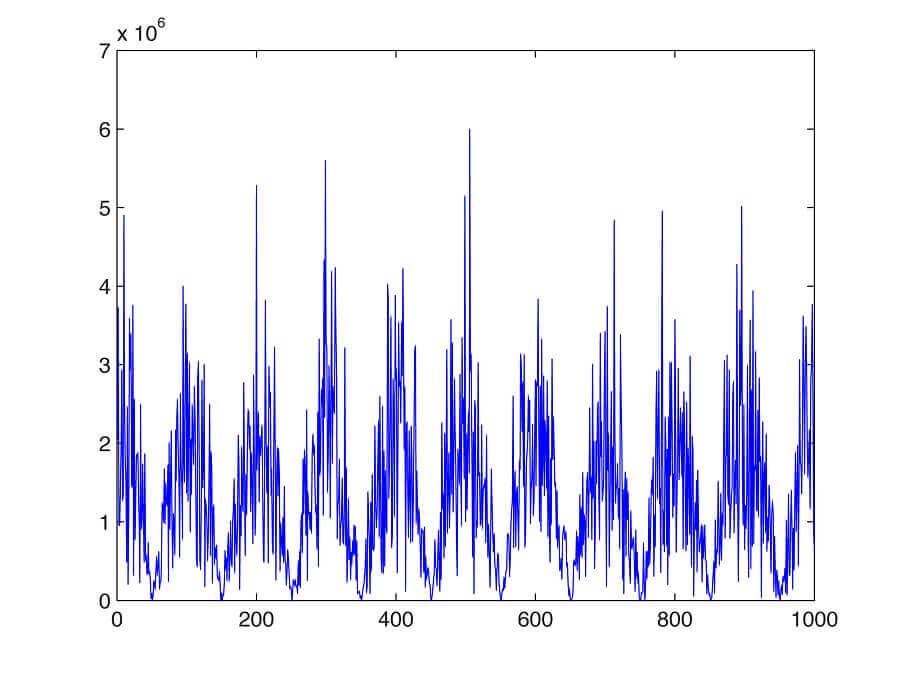
The compositional method is based on the incorporation of sound material of cultural background into an electroacoustic piece. By drawing a linear narration, my aim was to demonstrate a unity, an imaginary community, which characterizes the Romani culture, despite the hybridic, complicated and diverse traditions deriving from the various European and Asian countries its people live in. A central question behind the making of this piece is what kind of role can a civilization have today, when the concept of space is eliminated by time- a key element in the dynamics of capitalism. What are the cultural consequences of the so-called annihilation of time and space, as materialized and tangible dimensions of social life? Are historical tradition and the search for roots promoted and reorganized as simulacra, imitations or/and museum culture, thourgh the demonstration of a partly deceptive past?
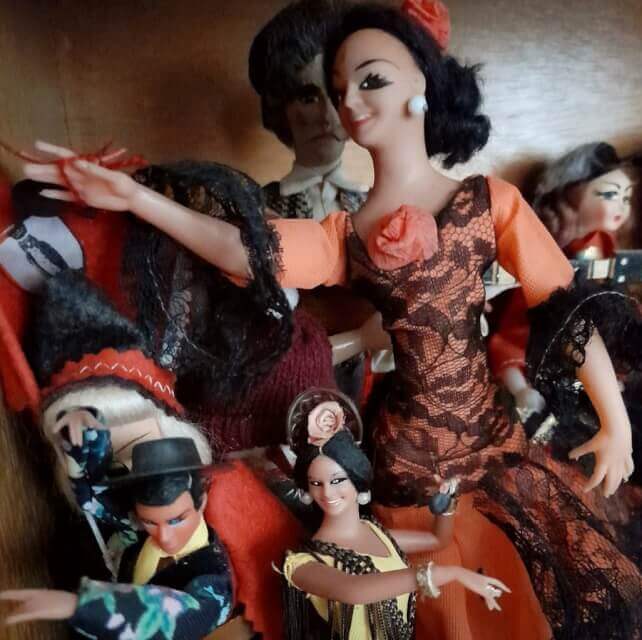
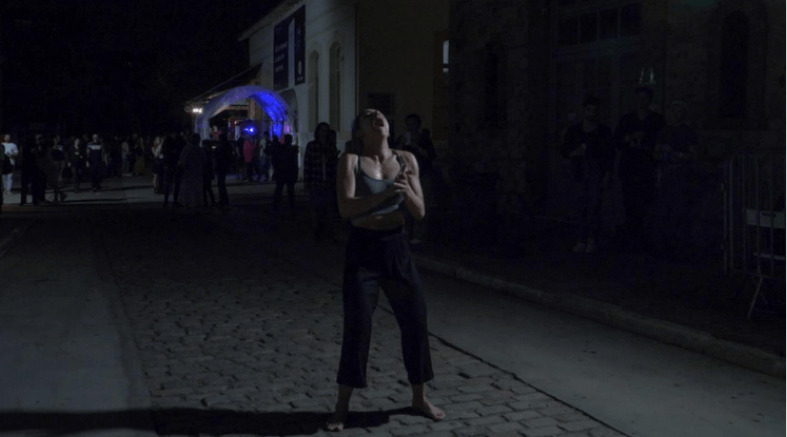
Α video art piece with performance and art installation elements in public space.