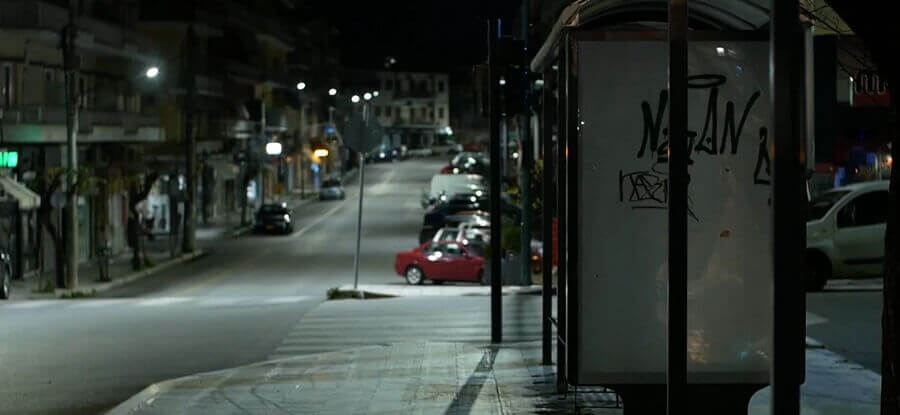


Oh, Johnny!
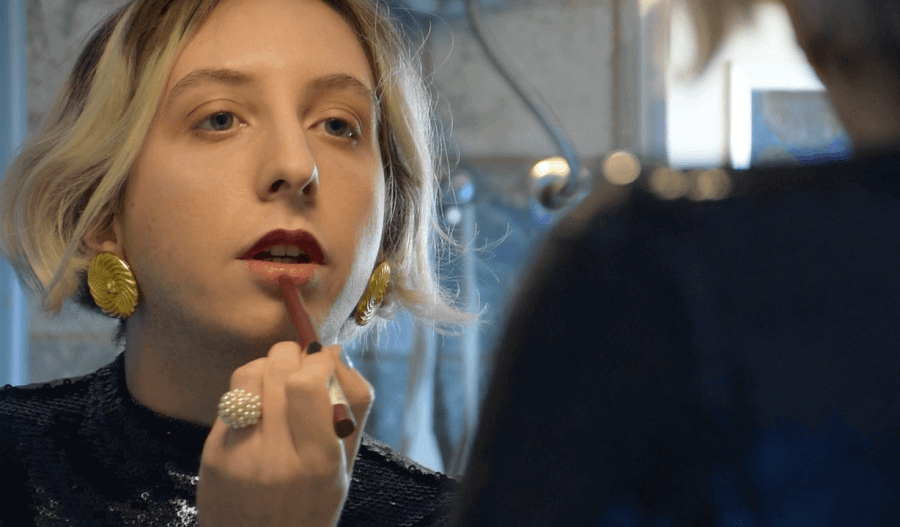
"Oh, Johnny!" is a short documentary about John (Vinylios), his interest in fashion and his relation to drag shows.
Christofora Maria Ntoutsou, Vinylios
Related Works
Observational documentary: People and daily life in the city of Corfu before covid 19.
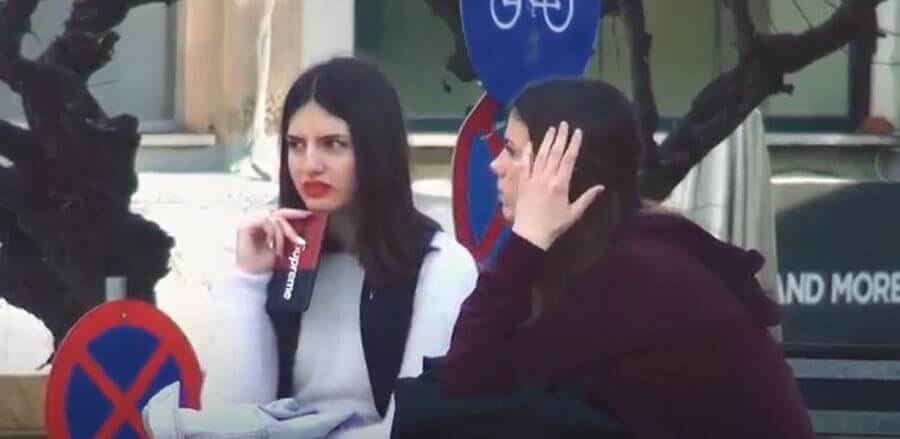
The documentary presents an important incident that happened in Poland in October 2020: The government announced the almost universal ban on abortions, and daily protests followed until the government freeze the law. Two women talk about their own involvement in demonstrations and express their feelings about government decisions.

Aynadamar: An important place as far back as when the Arabs were in the area. The whole region of Andalusia was supplied with water through that spring, reaching as far as Madrid. Several years later, the poet and playwright Federico Garcia Lorca is taken there to be executed. His work in turn supplied the whole Spain and spread to the rest of the world. The documentary intertwines significant events of his life with dramatised excerpts from his work, aiming at achieving Duende (as Lorca used to say), the quintessence of all things.
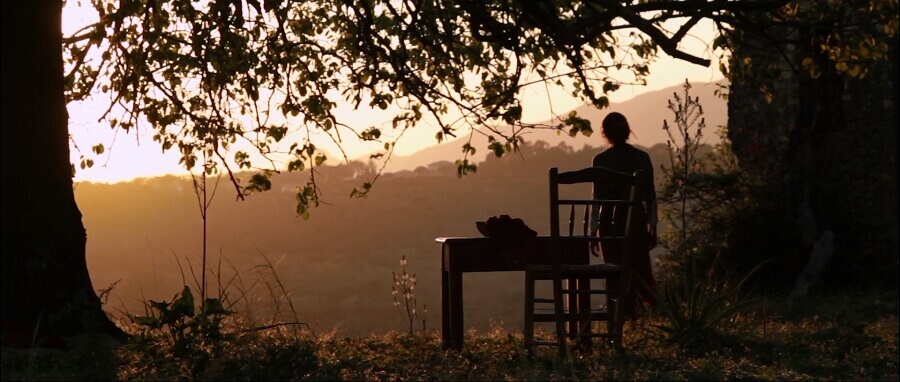
It’s Monday, the 13th of December 1943, the small town of Kalavryta is set on fire by the occupation army of Nazi Germany while the entire male population is being gathered on a nearby hill and shot dead. This war crime will go down in history, along with the massacre of Acqui Division, as the largest mass killing in Greece during WWII. Three men who witnessed these events as kids, locked up with the rest women, children and elderly people in Kalavryta’s primary school, recall this traumatic experience.
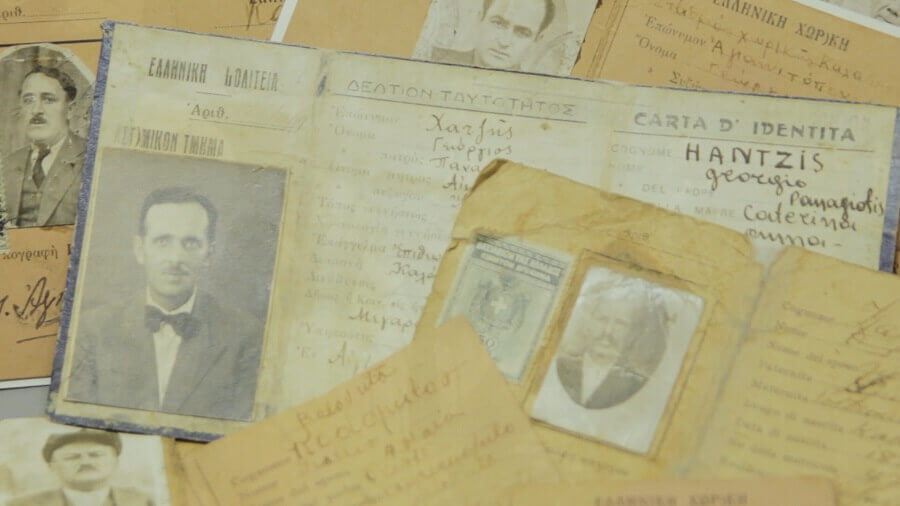
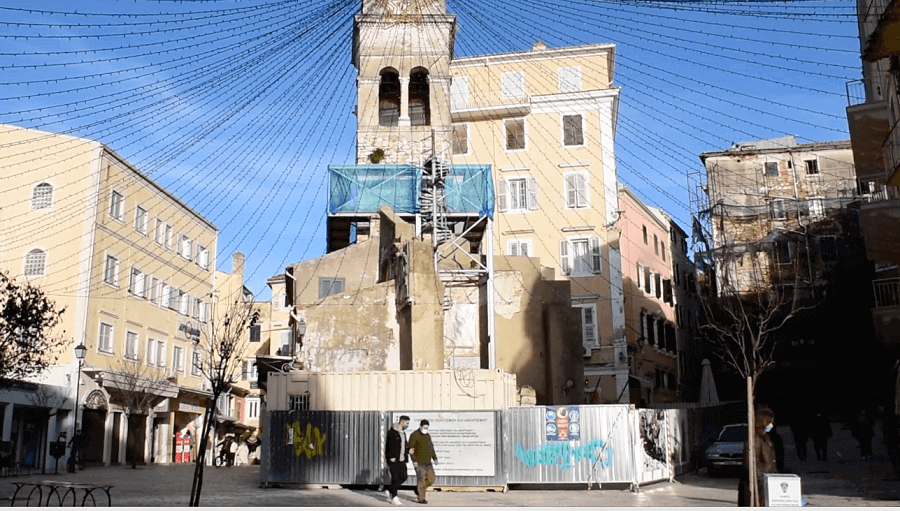
The documentary is a city-symphony focusing on the people of the city, their interrelations, their behavior, their habits, their relationship with the city and how all of the above were affected by the lockdown, the mandatory use of a mask, and the policing and surveillance.
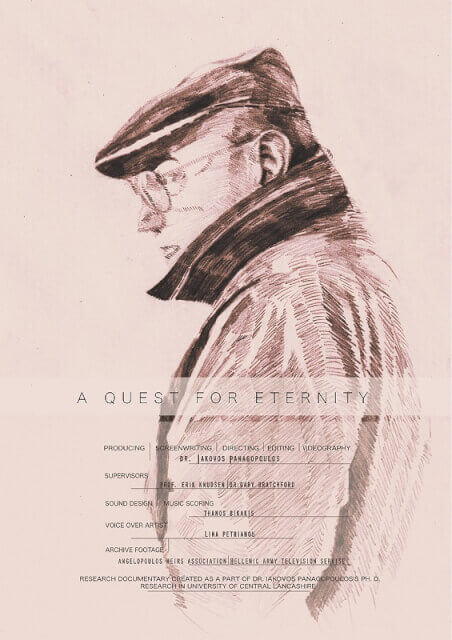
The research documentary A Quest for Eternity (2020) focuses in four different elements of Angelopoulos’s style and provides new information using and analysing the data from semi-structured interviews. This research documentary is part of Dr. Iakovos Panagopoulos practice based Phd research in the University of Central Lancashire with the title: “Reshaping Contemporary Greek Cinema Through a Re-evaluation of the Historical and Political Perspective of Theo Angelopoulos's Work”(Panagopoulos, 2019).
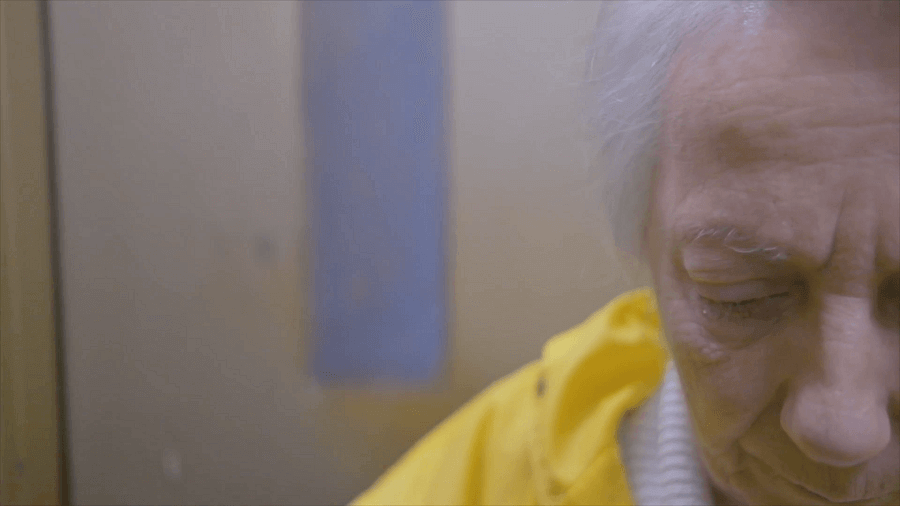
This documentary is about my grandmother, Areti. I have her name. She is a very simple and sweet person. She always wants to take care of and feed us.

The film refers to the pandemic crisis of covid-19 in the country, after the enforcement of the restriction measures. It observes the everyday life of the town centre of Corfu. It includes the randomness of recording the reality, the contradictions and the paradox of it. It attempts to render the suffocating atmosphere, that has a huge impact on the everyday life and the psychology of the people.