

Where do I exist?
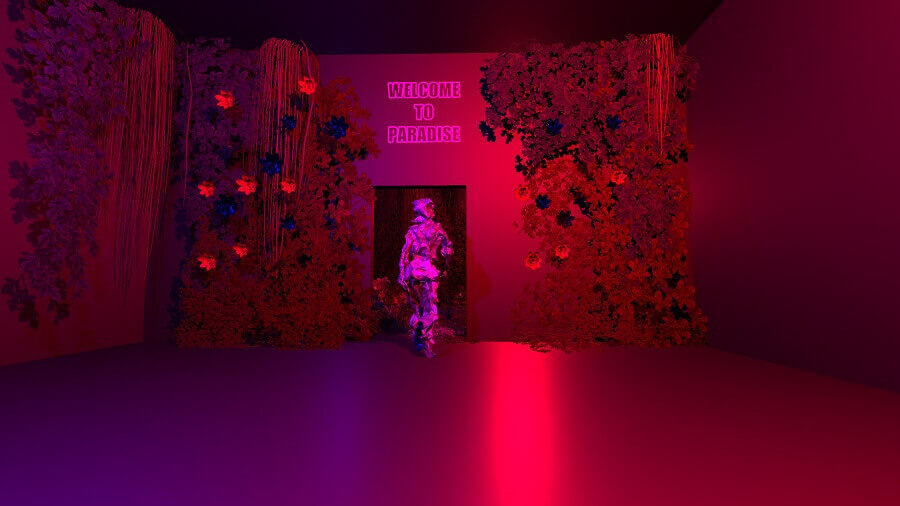
The title of this artwork is "Where Do I Exist?". This is a virtual space that explores the relationship between reality and virtual reality. Moreover, it the result of a pandemic society that tends to communicate through social media. It is the impression of our lifes into a virtual world, free from our body and the stereotypes it might follows it. Could we be free from our body and ideas such as gender identity and death? What is the meaning of touch into an immaterial world? Anyone can be part of this artwork with a twitter hashtag of the word #immaterial.
Sousana Romanidou , Konstantinos Tiligadis
Related Works
This is a Iove story between a female statue and a man. It is about the pious desires of people ας they apply them to the interpersonal relationships they develop.
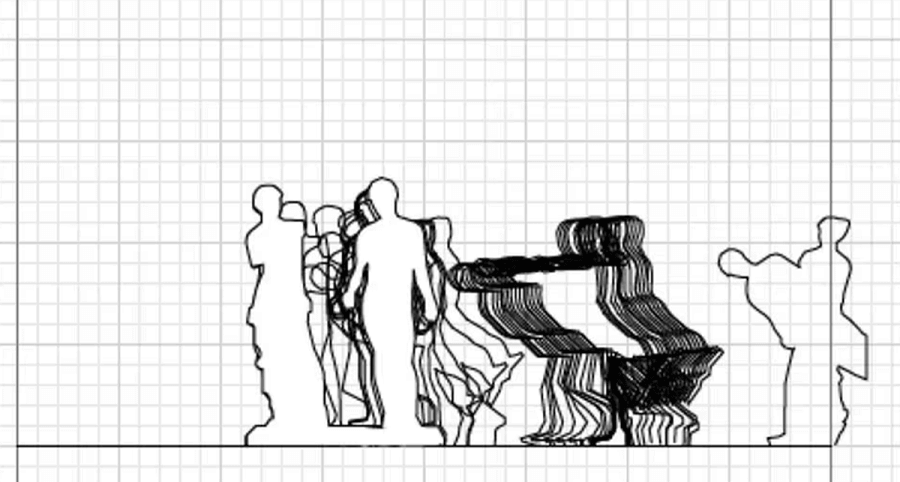
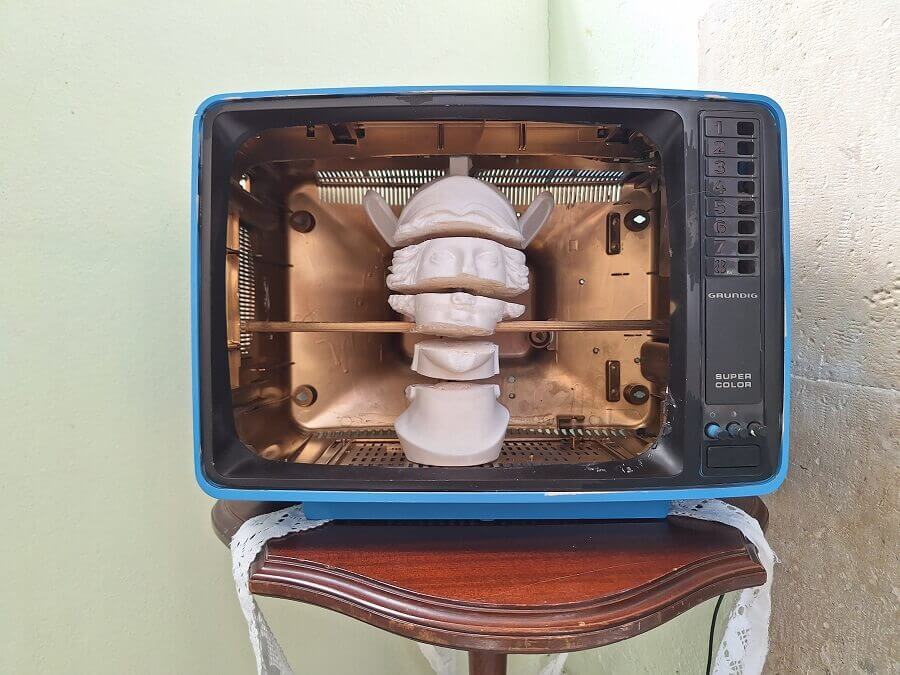
The project composes a series of random artifacts relating to art and design history, used either ας decorative or utilitarian artifacts, turning them into a non-definitive object [bouquet] floating in space.
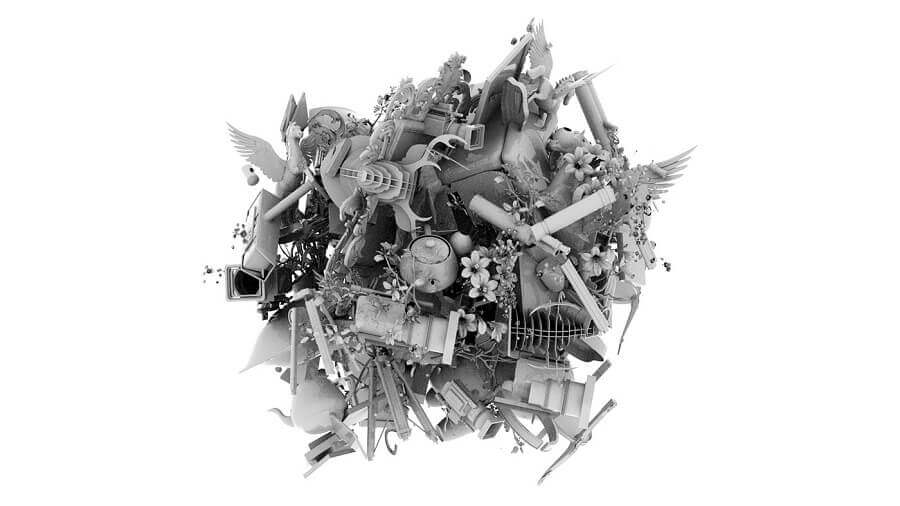
It is a work of digital design in real time that in its evolution displays the Word human, relationship coupling, thoughts and feelings..
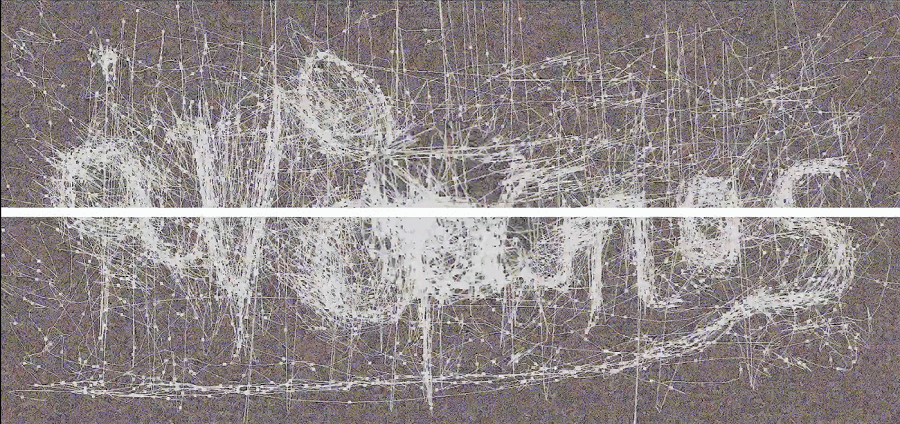
In the realm of acoustic hyper-reality we meet aural simulacra of the order of maleficence. These are signals that mask and denature a profound acoustic reality. They are referential and representational, but in a way that they dissimulate reality and become its twisted Doppelgängers. Simulacra of the order of maleficence are perversions of reality. With the sound artwork ‘Natural Perversion’ Through a set of sonic processes the artist delves into autogenerative, autopoietic, responsive and biomimetic modes of creation exploring how the original naturally produced audio signal can be transformed into a sonic caricature and depending on the way it balances between its signifier and its signified aspect, it may re-interpret naturally produced concrete audible events into a musical language which serves both the acousmatic and the non-cochlear approaches to contemporary sound art.
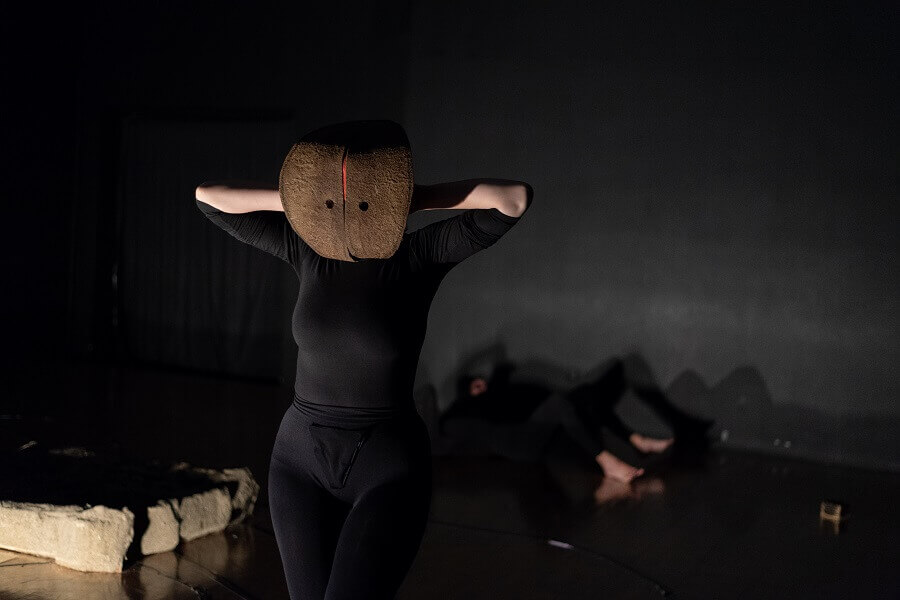
Myths are living stories that grow with time, change, adapt, but continue being a source for research, inspiration and creativity. The interactive audiovisual theatrical performance INRIRI questions the adaptation of an archetypal myth at a time of many dimensions and levels with elements from physical theater and embedded interactive technology in the performing space. Parts of the story are a Caribbean myth which transforms the body, a woodpecker and some new experimental technologies. On stage two bodies try to communicate with themselves and the environment around them and to discover anew what a body can be, what the relation and connection with the other body and which are the influences of the surrounding space on them.
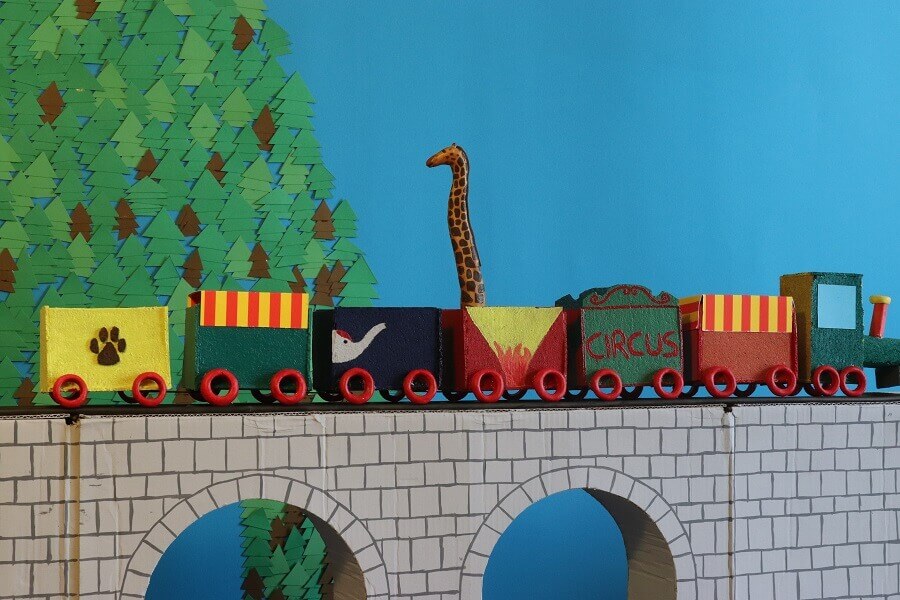
The project is the animation of the fairy tale "The chained elephant". "The Chained Elephant" is one of the stories of psychiatrist Jorge Bukay from his book "Let me tell you a story" which he tells to his client. It refers to a child' s question who notices that a huge circus elephant remains tied to a small stick without trying to free itself and without protesting. The circus elephant remained tied to his tiny stick because "the memory of the weakness he felt shortly after his birth is etched in his memory."
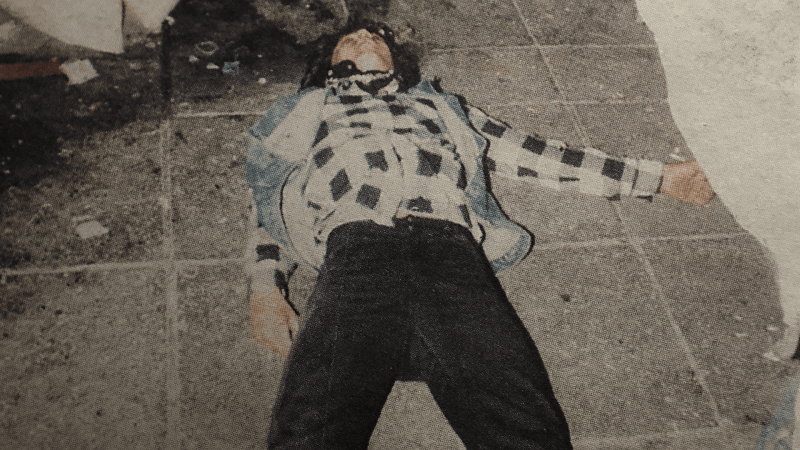
An essay-film which looks for mnemic traces of major political events inscribed in the body of the metropolitan entity of Athens.
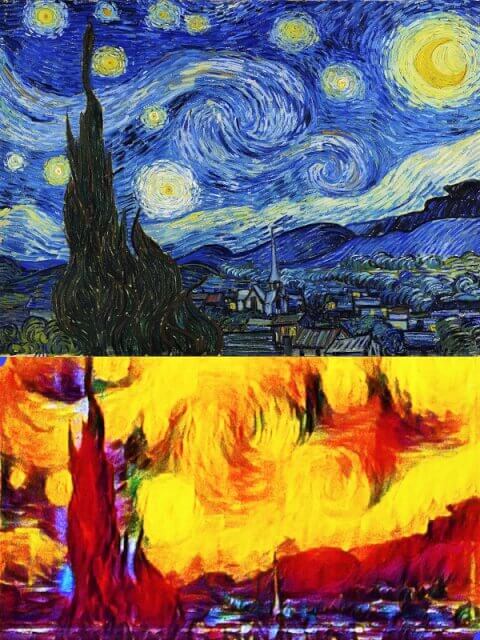
As Vincent van Gogh's "Starry Night" is one of my favorite paintings, I created an acoustic composition with the main goal of creating an atmosphere with a freer and more abstract approach. The small touches, the colors, the swirling flow, the natural landscape of the painting and the psychosynthesis of the artist are captured. The piece in combination with two images consists of three parts. In the first part, the night landscape is presented, in the second the intense emotions of the artist and in the third the nature with its power that calms the human soul.