

ATHENDS
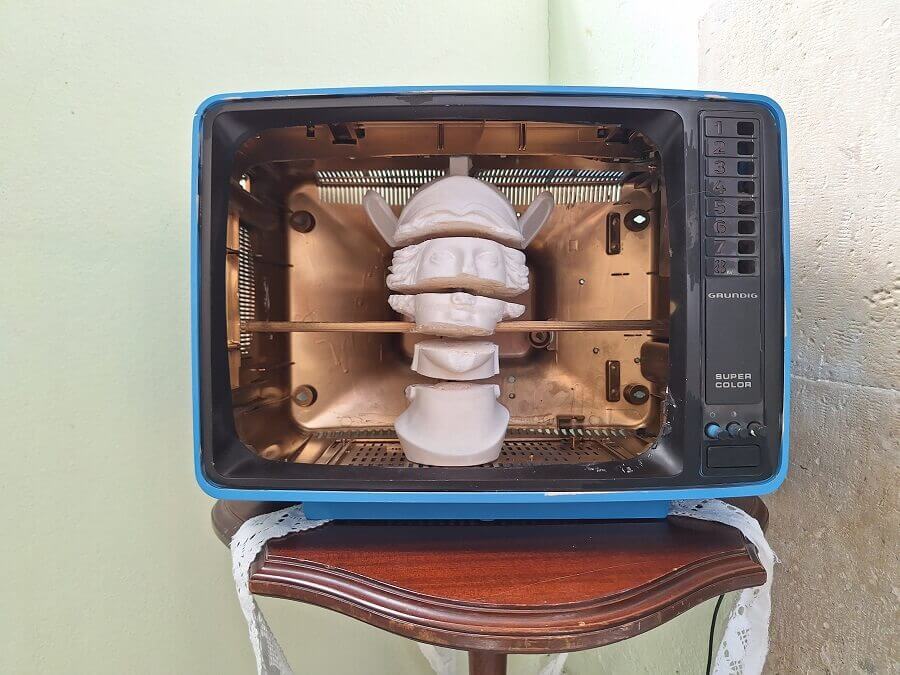
The ATHENDS project is an interactive installation whose purpose is to comment on the Greek media and how it fulfills its purpose based on the violent and unfiltered transmission of information. The stimulus for this project is the way of news broadcast in recent years on issues such as gang violence, the wreck of Pylos and many other events that have marked recent years, and the timelessness in which systematic propaganda is done through power transmitters
Related Works
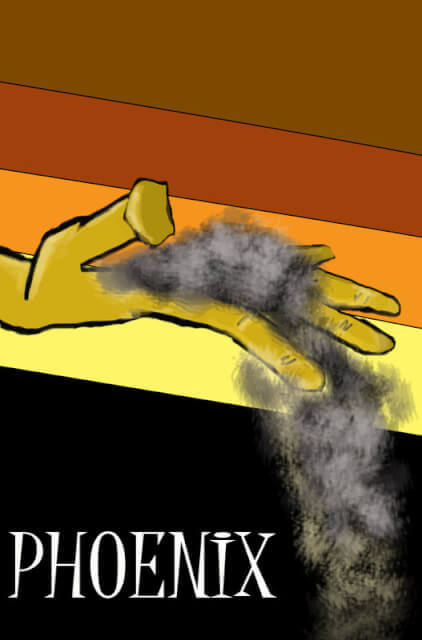
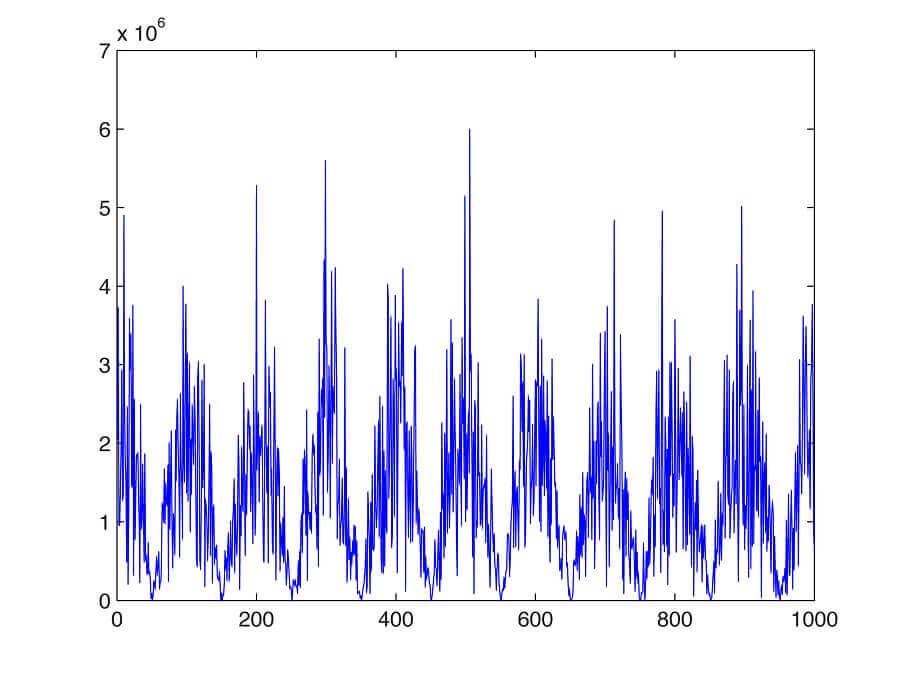
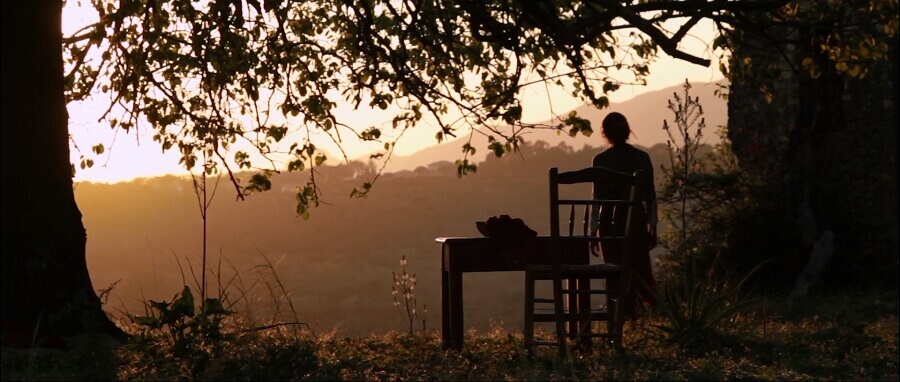
Aynadamar: An important place as far back as when the Arabs were in the area. The whole region of Andalusia was supplied with water through that spring, reaching as far as Madrid. Several years later, the poet and playwright Federico Garcia Lorca is taken there to be executed. His work in turn supplied the whole Spain and spread to the rest of the world. The documentary intertwines significant events of his life with dramatised excerpts from his work, aiming at achieving Duende (as Lorca used to say), the quintessence of all things.
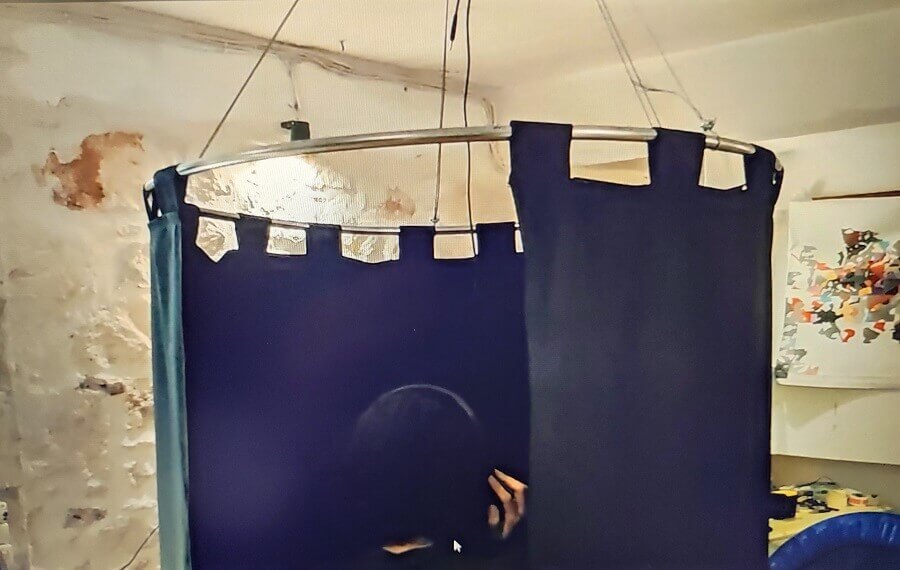
A place of relative isolation and no influence from the outside environment. Black cloth with a small opening that the viewer enters wearing headphones and playing a soundscape I created on a magnifying glass.
Α creative dynamic dialogue with artificial intelligence (ai). The cursor is about to press "generate". Analyzing.

When the observer is standing in front of a work of art and is trying to comprehend it, they are consciously entering a recognition process. This is achieved because the brain recognizes the relationship between some shapes or colors in the piece of art and, automatically, recalls them from memory. This procedure creates the necessary conditions for the creation of new neural synapses. Using these facts?, the artist suggests an audiovisual performance that includes an interference of audio to the visual aspect? in real time.
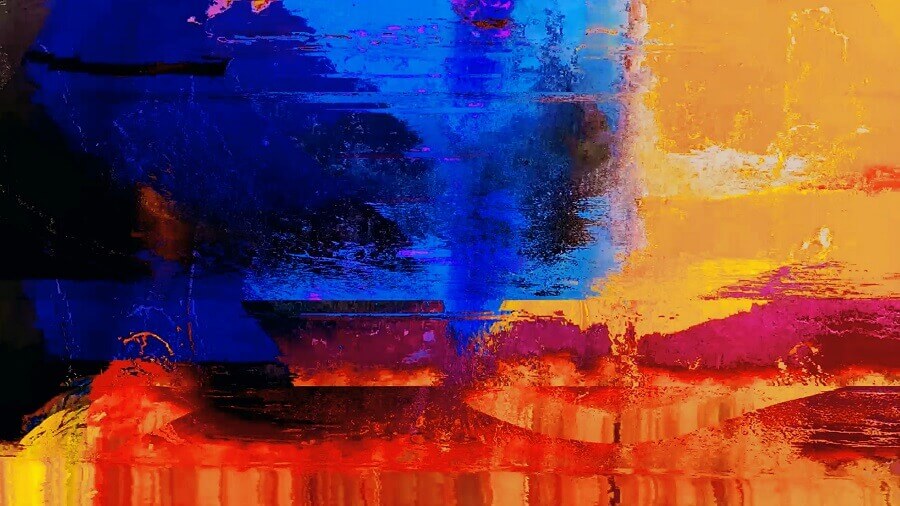
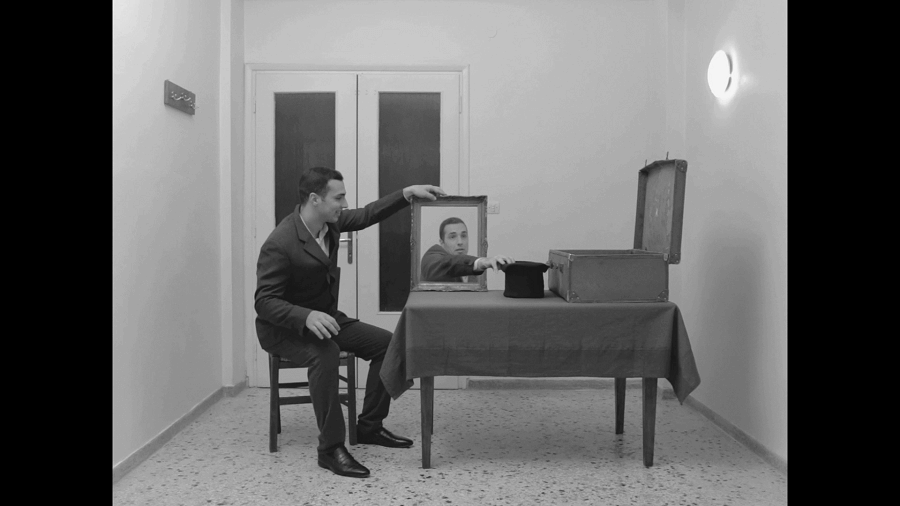
The main subject of this thesis is to analyze the special effects that George Melies used and invented, as well as the creation of a short film with special and visual effects, inspired by Melies’ work. This film has been implemented using modern techniques, aiming for an outcome that seems realistic but cannot actually happen in real life. All the techniques that have been used to create the film will be analyzed in depth.
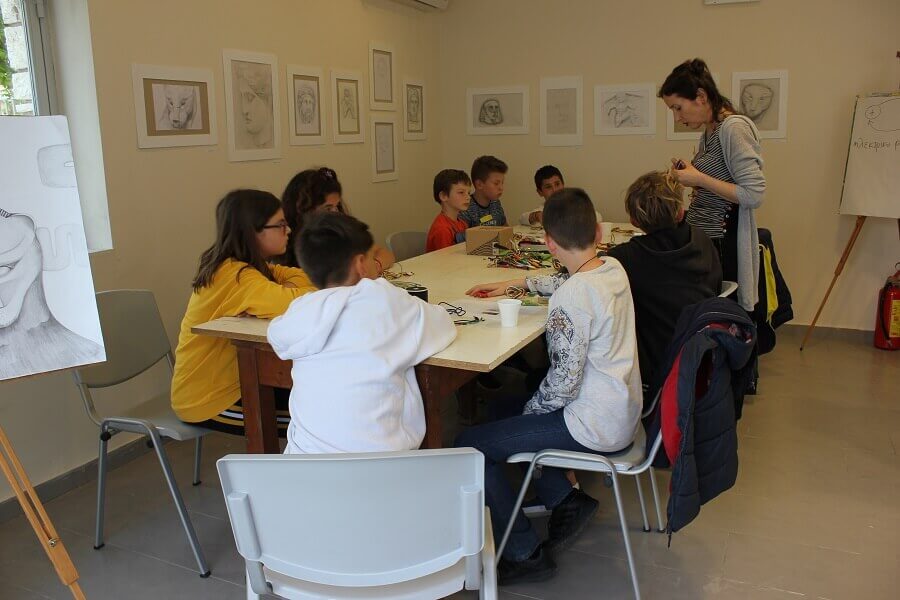
An experimental workshop was realized at the Corfu Archaeological Museum, on May 2019. The workshop was designed within the frames of interdisciplinary learning and participatory art, based on Maker culture and STEAM education, willing to highlight the importance of arts and technology in learning. The participants, children and adolescents 11 to 15 years old, were initially guided to an important archaic find at the Archaeological museum of Corfu, a pediment depicting ancient Greek goddess Artemis-Gorgo, and got acquainted with the myth surrounding it. In two groups the participants made
1. electronic circuits which produced sounds via photo resistor and conductive paint and
2. conductive drawings inspired by the archaic pediment imagery.
The two groups combined their work to create interactive installations were circuits and sensors were used to “read” the tonal variations and line elements of the pencil drawings. Documentation indicates the childrens’ immersion into the experience.
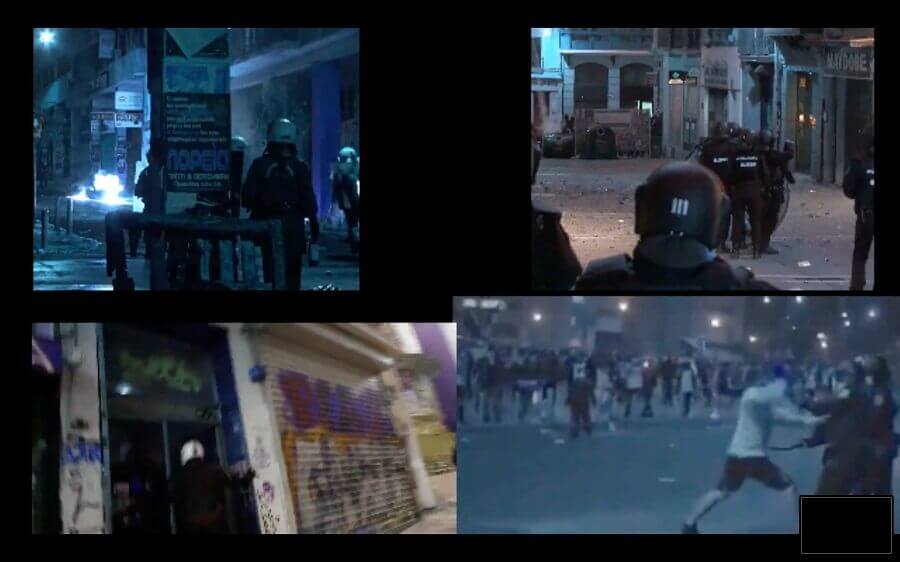
This is the first video of my audiovisual installation entitled "Riot Strike Riot". The audiovisual installation entitled "Riot Strike Riot" is based on the political repression and social disorders of recent years with a focus on Greece, but also with influences from abroad. The installation has presented from a subjective point of view, the socio-political image of today through audiovisual digital media, interactive systems, and objects.