

Negative Buoyancy, the story of a freediver
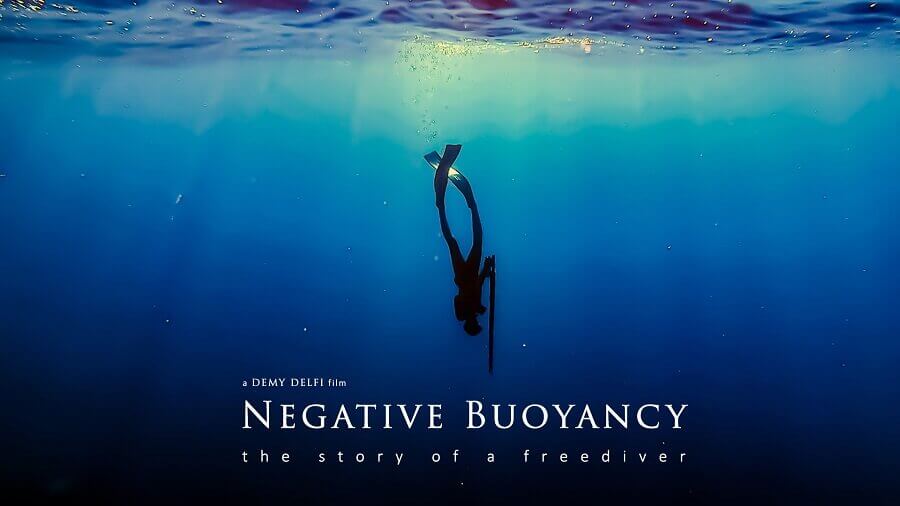
A freediver transforms into water while he dives beneath the surface, connects with nature and becomes a part of the underwater environment by hunting like a marine predator.
The mesmerizing underwater world is accessible to those who overcome fear and dare to push their human limits a little further in order to explore it. The passion with the serene world beneath the surface becomes a lifestyle for those who surrender themselves to negative buoyancy.
Related Works
Α creative dynamic dialogue with artificial intelligence (ai). The cursor is about to press "generate". Analyzing.
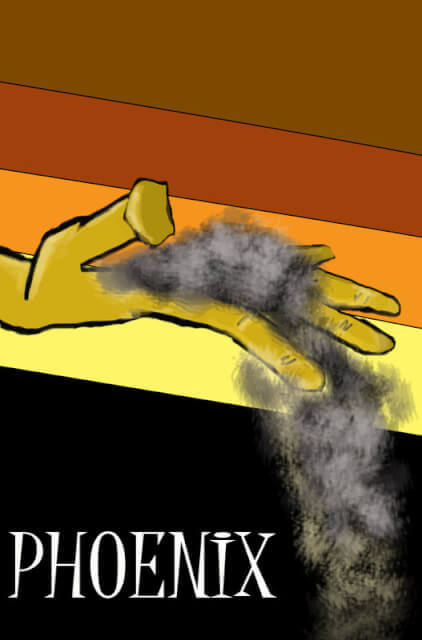
When the observer is standing in front of a work of art and is trying to comprehend it, they are consciously entering a recognition process. This is achieved because the brain recognizes the relationship between some shapes or colors in the piece of art and, automatically, recalls them from memory. This procedure creates the necessary conditions for the creation of new neural synapses. Using these facts?, the artist suggests an audiovisual performance that includes an interference of audio to the visual aspect? in real time.
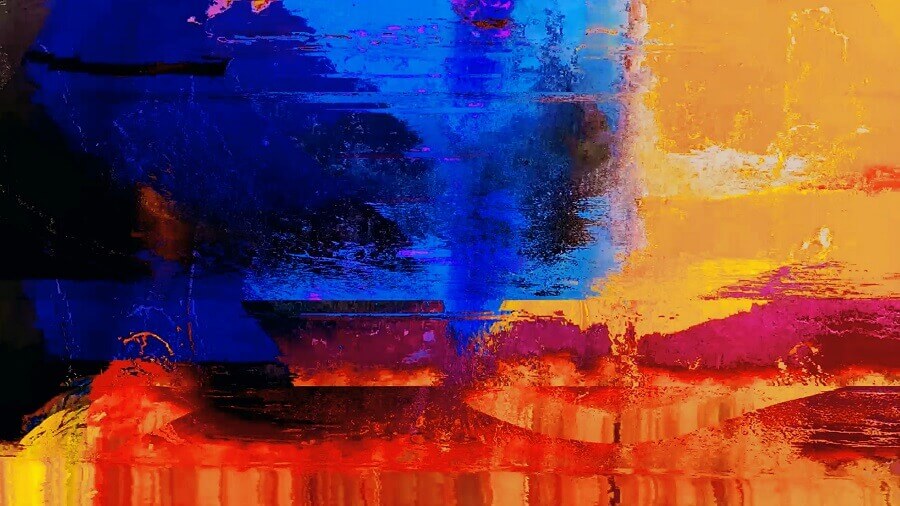
The present postgraduate thesis was prepared in the context of the completion of the postgraduate program of the Department of Sound and Visual Arts of the Ionian University.
The study of the subject will be the facts and data on the occasion of the completion of 200 years since the Greek Revolution.
The present work aims to enrich the theoretical framework of study. Its structure is based on data that I have collected (rare photographic material, letters, etc.), from the Public Archives of the State, the Kapodistrias Museum and the Reading Company.
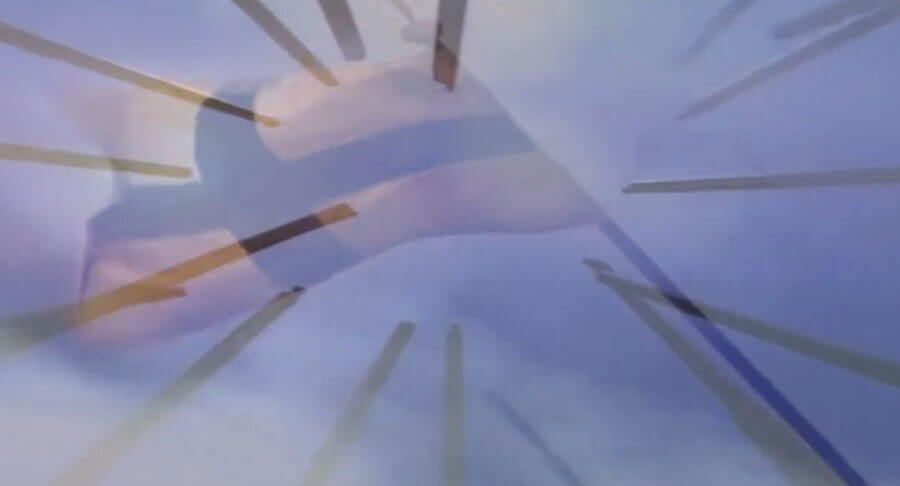
During quarantine, time passes without realizing it. Time is blurred with fears, worries and deformations. The realization that we are still "thoughtful creatures" in such an irrational world is something that grounds us back to reality. The film draws from the movement of French Impressionism.
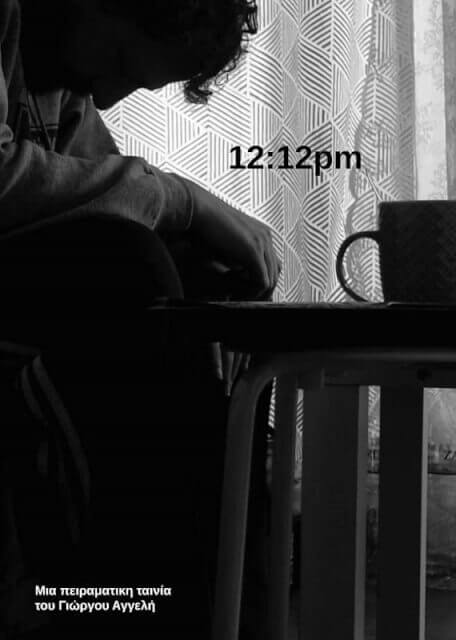
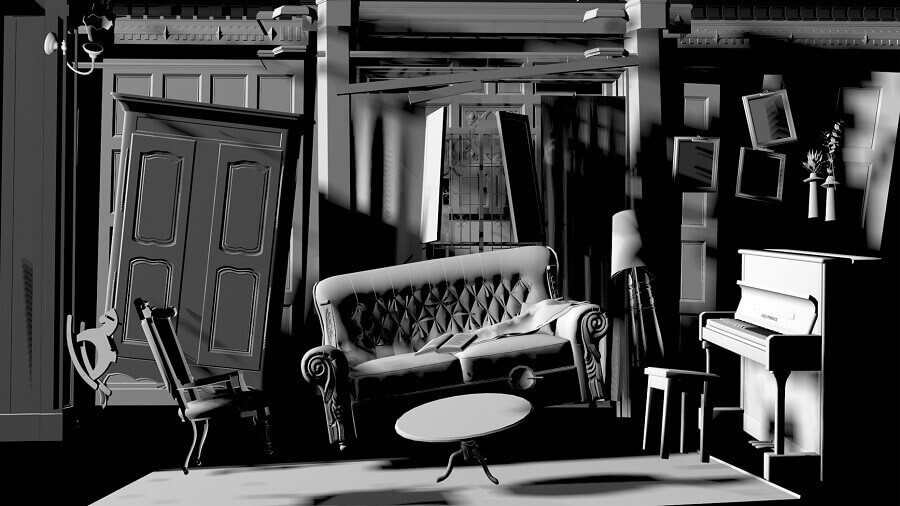
Where do memories go when they are lost? Are they still where we left them, if we don’t recall them? In this room, as private and irrevocable as our memory, objects animate a series of scenarios. A memory floods the room, another struggles to disclose itself, another one leaks back and forth in time. The idea of the ‘other’ hovers between what has already passed and what is reminisced every time. We never recollect events and spaces as such. We always enliven recollections in our own way. Through constant evocations that seek to perpetuate the existence of the ‘room’, memories converse with space and time, as well as with a part of ourselves. Either as past, forgetfulness or loss, they always contain something that is already gone.
The short documentary focuses on the preparation of the solo performance "EVA", performed by the dancer and performer Evangelia Randou. The project is based on her personal experiences and has been created and staged by her. The film reveals the moments when the dancer works with her body, experiments, creates and improvises. The documentary is a portrait of the dancer herself, but also of the work she creates.