

Ruta
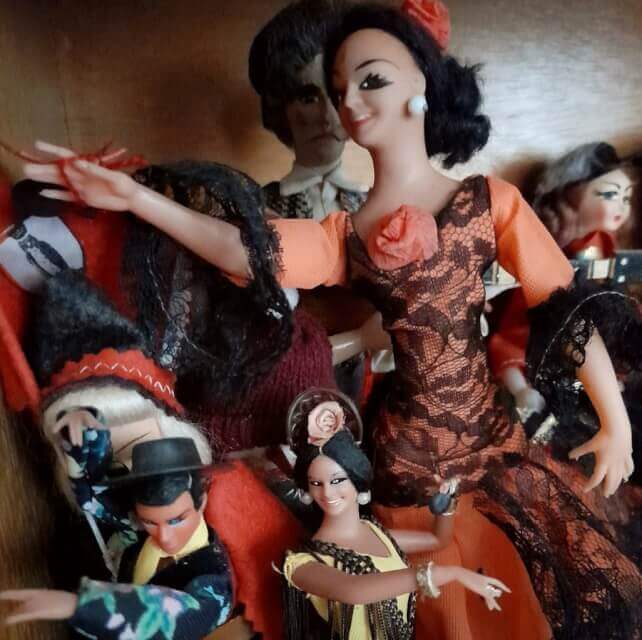
The compositional method is based on the incorporation of sound material of cultural background into an electroacoustic piece. By drawing a linear narration, my aim was to demonstrate a unity, an imaginary community, which characterizes the Romani culture, despite the hybridic, complicated and diverse traditions deriving from the various European and Asian countries its people live in. A central question behind the making of this piece is what kind of role can a civilization have today, when the concept of space is eliminated by time- a key element in the dynamics of capitalism. What are the cultural consequences of the so-called annihilation of time and space, as materialized and tangible dimensions of social life? Are historical tradition and the search for roots promoted and reorganized as simulacra, imitations or/and museum culture, thourgh the demonstration of a partly deceptive past?
Related Works
A freediver transforms into water while he dives beneath the surface, connects with nature and becomes a part of the underwater environment by hunting like a marine predator.
The mesmerizing underwater world is accessible to those who overcome fear and dare to push their human limits a little further in order to explore it. The passion with the serene world beneath the surface becomes a lifestyle for those who surrender themselves to negative buoyancy.

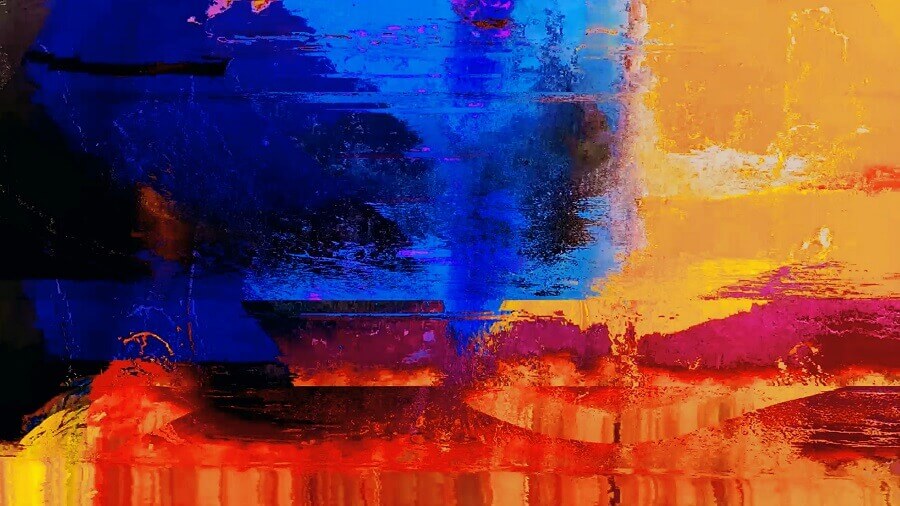
When the observer is standing in front of a work of art and is trying to comprehend it, they are consciously entering a recognition process. This is achieved because the brain recognizes the relationship between some shapes or colors in the piece of art and, automatically, recalls them from memory. This procedure creates the necessary conditions for the creation of new neural synapses. Using these facts?, the artist suggests an audiovisual performance that includes an interference of audio to the visual aspect? in real time.
Multiple distance sensors trigger sound events ας people move around and get close to the grid with the srceens.
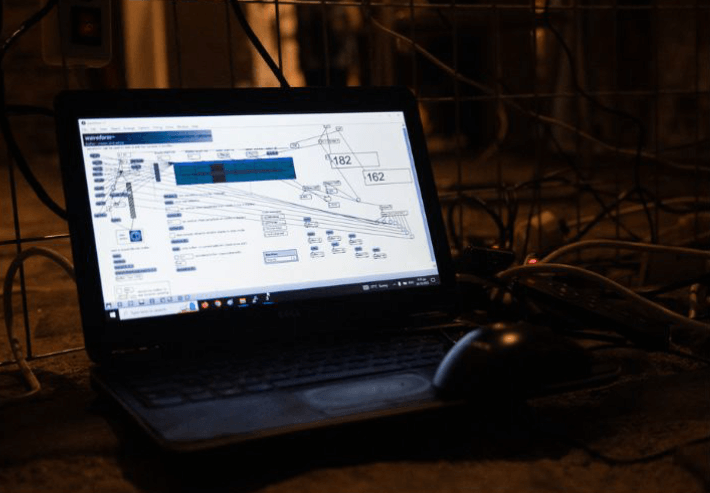
Myths are living stories that grow with time, change, adapt, but continue being a source for research, inspiration and creativity. The interactive audiovisual theatrical performance INRIRI questions the adaptation of an archetypal myth at a time of many dimensions and levels with elements from physical theater and embedded interactive technology in the performing space. Parts of the story are a Caribbean myth which transforms the body, a woodpecker and some new experimental technologies. On stage two bodies try to communicate with themselves and the environment around them and to discover anew what a body can be, what the relation and connection with the other body and which are the influences of the surrounding space on them.
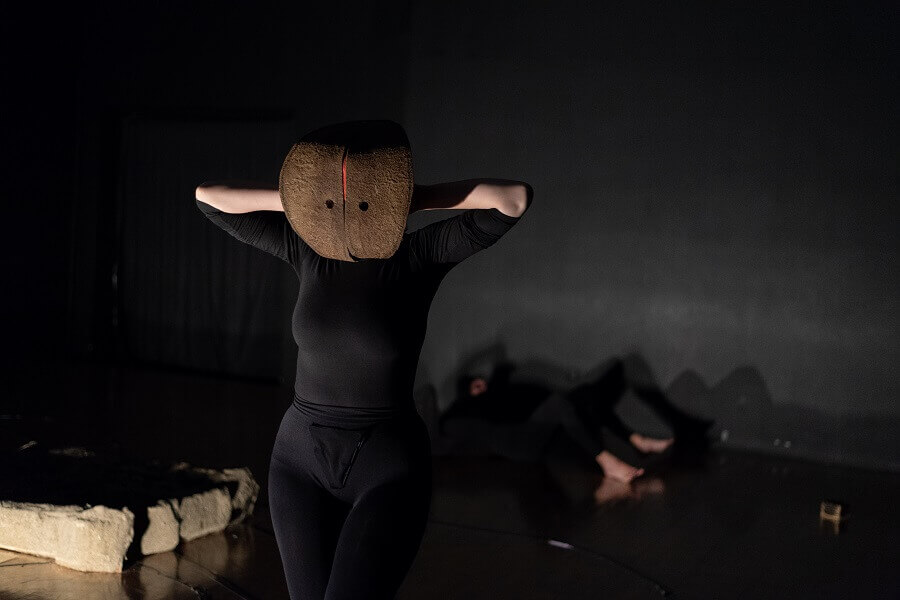
It’s Monday, the 13th of December 1943, the small town of Kalavryta is set on fire by the occupation army of Nazi Germany while the entire male population is being gathered on a nearby hill and shot dead. This war crime will go down in history, along with the massacre of Acqui Division, as the largest mass killing in Greece during WWII. Three men who witnessed these events as kids, locked up with the rest women, children and elderly people in Kalavryta’s primary school, recall this traumatic experience.
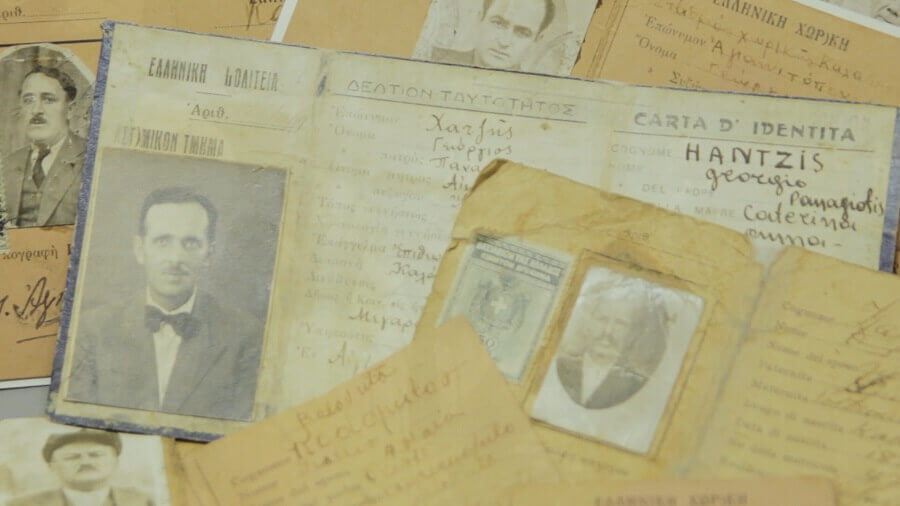
Every expression of the subject is inherent in the body image, indicating the lack of being, which desire tries to cover.
The project focuses on close-ups of flowers ας elements of the beauty of nature and the spiritual uplift created by the connection with it.
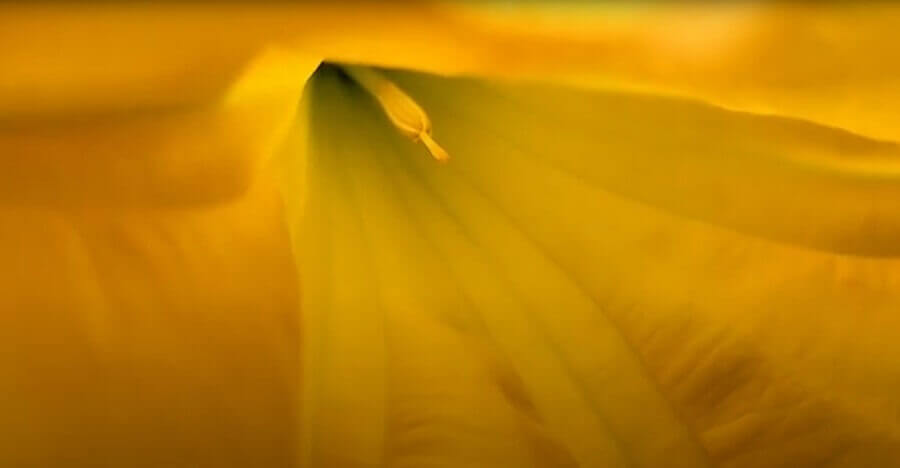
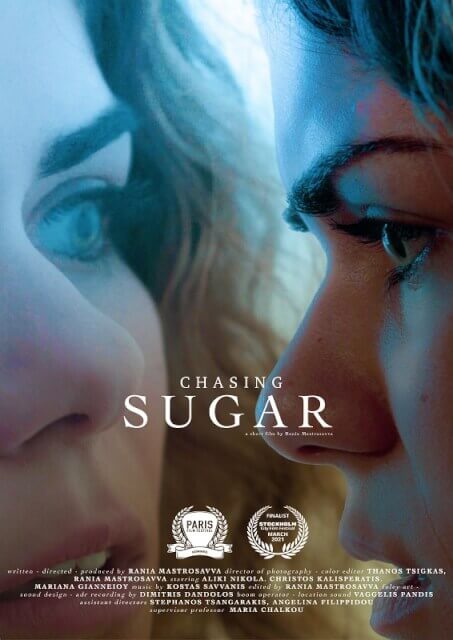
Zoe is a 25 year-old student, living in Corfu island, Greece with her only friend and roommate Anne. Waking up late an afternoon Zoe realises that her friend is missing and she goes out at night alone in search of her. The strangely empty and quiet town, a series of bizzare events and the sense that she's been followed gives her the realization that something strange is going on and her eager to find her friend grows stronger.
At that time she comes across a dark human figure that wants to capture her. Trying to escape, Zoe ends up in a white room with nothing but a mirror inside.
As she walks closer to the mirror she sees that someone is trapped inside a room. Thinking that it's her friend Anne she reaches and goes through the mirror into that other room.
As she sits down next to the other person, thinking that she is Anne, she realizes it's her own self. In a desperate and decisive moment she tries to save her double, only to realize that her double can not cross to the other side of the mirror. Realizing that there's no way out the double lets go of Zoes hand.
Zoe wakes up in her room in the morning, gets dressed and goes for a walk by the sea in the now fully alive and noisy town. As she stands and stares at the waves she meets a girl named Anne sitting nearby. After the two girls meet they sit by the sea talking.
Creation of a group installation entitled Intersecting Worlds. The installation raises questions about the diversity and dynamics of the digital world, the limits and possibilities of technology and how it interacts and transforms contemporary life, creating new stimuli and a new way of looking at everyday life.
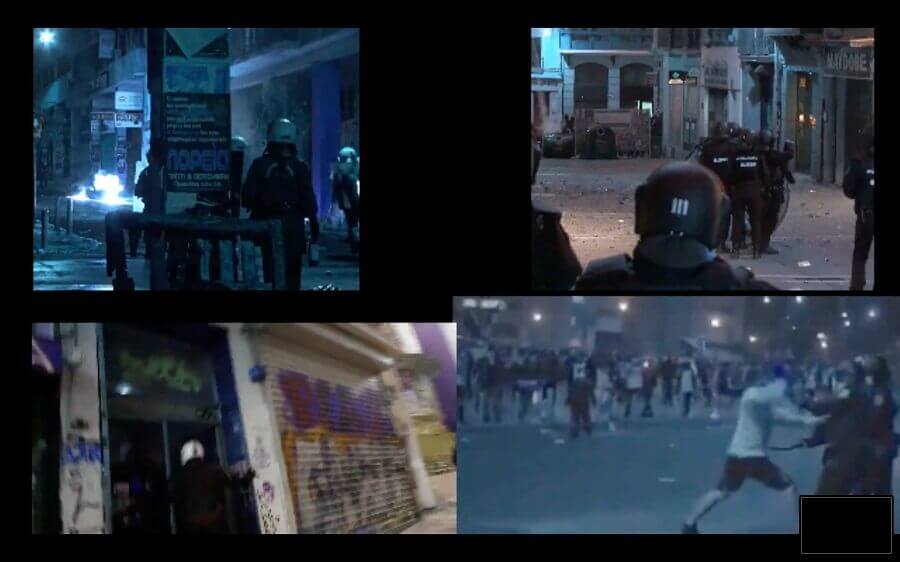
This is the first video of my audiovisual installation entitled "Riot Strike Riot". The audiovisual installation entitled "Riot Strike Riot" is based on the political repression and social disorders of recent years with a focus on Greece, but also with influences from abroad. The installation has presented from a subjective point of view, the socio-political image of today through audiovisual digital media, interactive systems, and objects.