

Life as a Blooming Flower
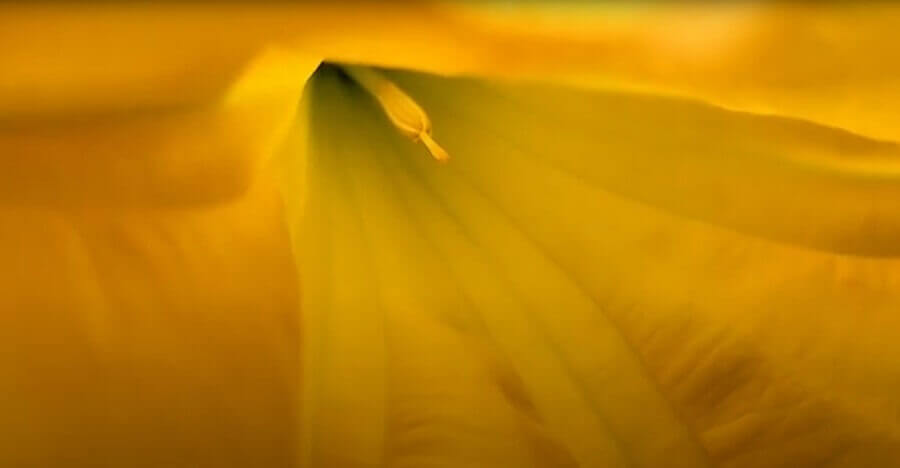
The project focuses on close-ups of flowers ας elements of the beauty of nature and the spiritual uplift created by the connection with it. The modern fast-paced lifestyle often does not allow people to stop and contemplate on the natural landscape. In this Video the digital capture of blooms constitutes an optimistic record of nature, while at the same time it raises questions about humankind's alienation from nature and its enjoyment through the use of digital media.
Related Works
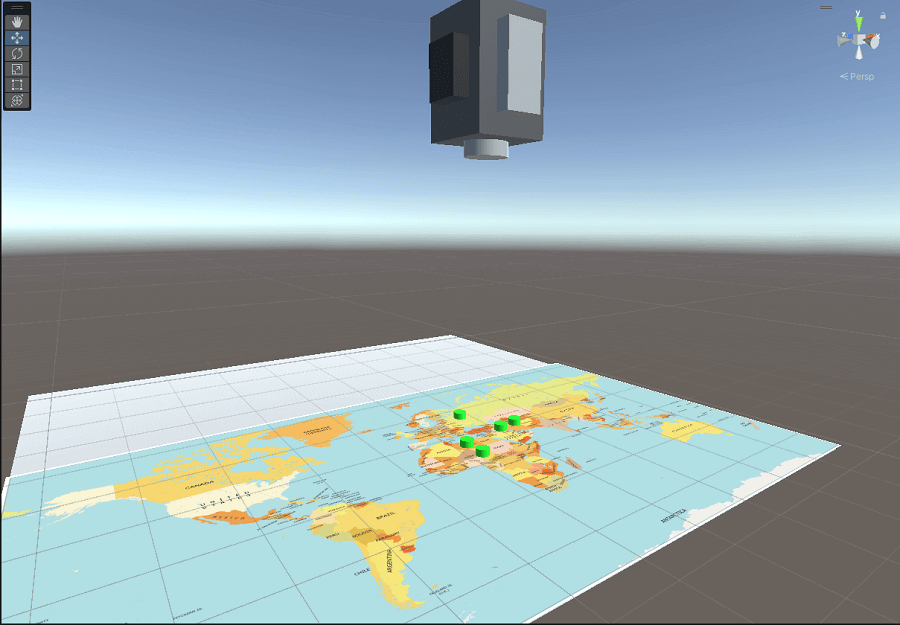
It is an Interactive Installation that deals with the issues of immigration, wars and surveillance of citizens on a global scale.
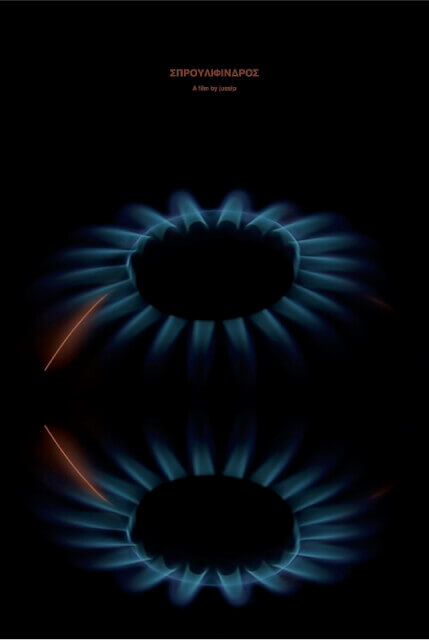
Τhis piece refers to a suffocating relationship between a father and a son. This oppressive relationship is expressed by the father’s obsessive calls to the son to come and eat his food warm. The son lives in an imperative rhythm of breakfast/lunch/dinner with few getaways because his father never stops calling him, while having a piercing voice. The father lives in a rhythm of constant orthostatic food production. A very elastic son, a very rigid father. A piece of wood, also rigid, who attracts the son. She had been washed by the sea. The highest boiling temperature is at sea-level. Splashing and seething became one. Apnea and immersion in his father’s pot, which is the symbol of his influence, eventually are leading to his release. He tightened so tight on her that for the first time he was stabilised. They were swept away from the waves and while floating they turned into furniture.
The quarantine's experience time has functioned as a humanized time. Its previous social barbarity was imprisoned in the familiar cage of my soul and became my creation time. Each day was my friend, an eternal circular and dynamic present, a consciousness without conflicts. It was like an eternity that is experienced differently every moment. An unprecedented form of stillness gripped me and perpetuated in many abstract fragments which finally formed the new texture of my existence, in this peculiar isolation. I became from the carcass of time I was before, its qualitative disintegration… Reality was distorted and experienced illusively. The time from the alienation that was before, was transformed and became the cover for the scratched truth of myself. This kind of time my conscience had dreamed to live.
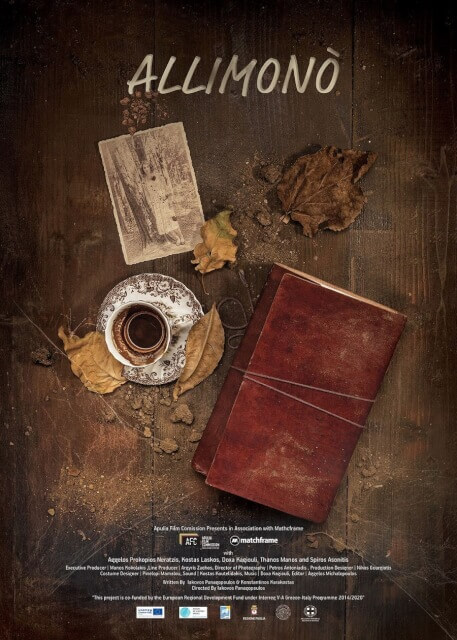
The fulfillment of a last wish leads Filippo to a retrospection from the mountains of Epirus to the recent past of the year 1945. His meeting with his history revives the memory of a whole village, unfolding the relations and the bonding of two peoples against the commands of an era, which is not as far as we think.
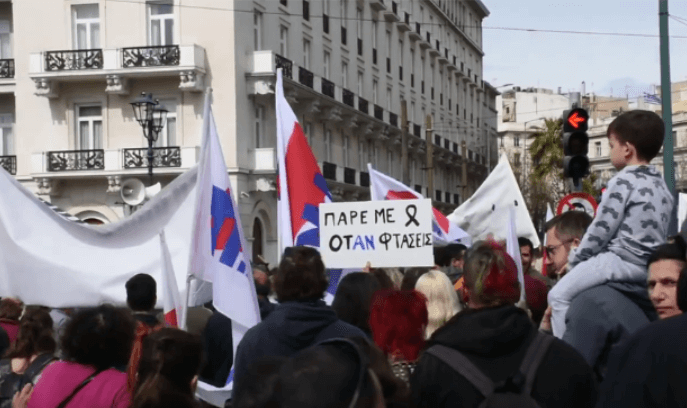
An essay-film which looks for mnemic traces of major political events inscribed in the body of the metropolitan entity of Athens.
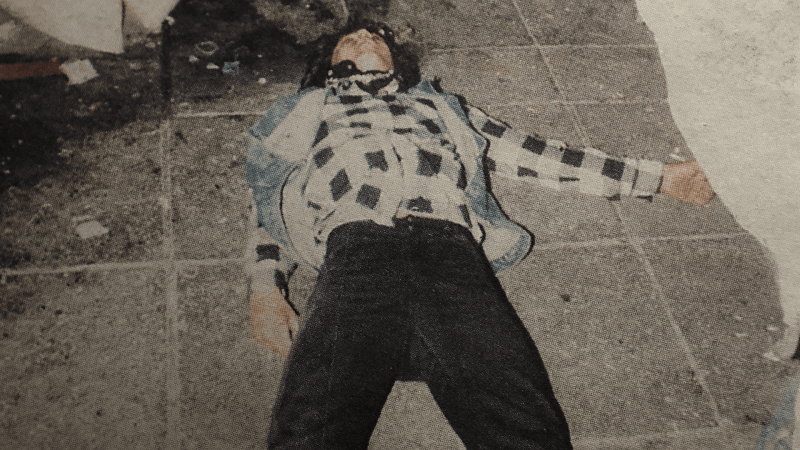
Α video art piece with performance and art installation elements in public space.
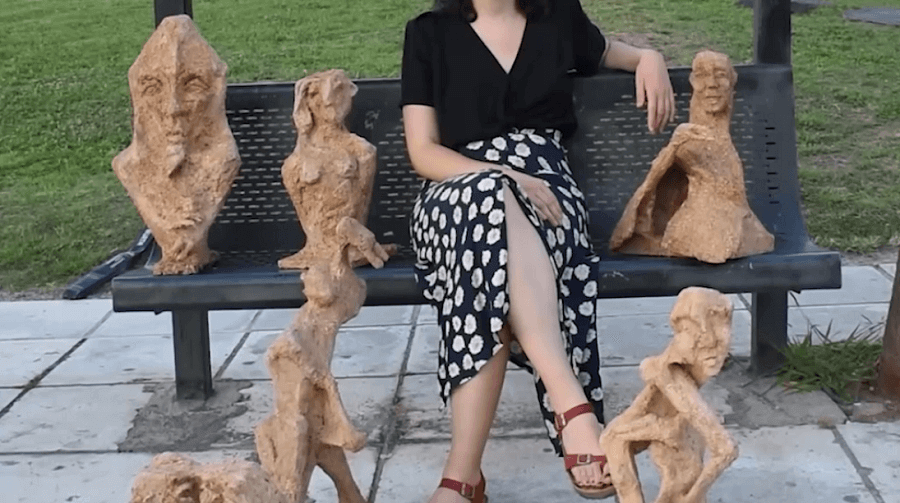
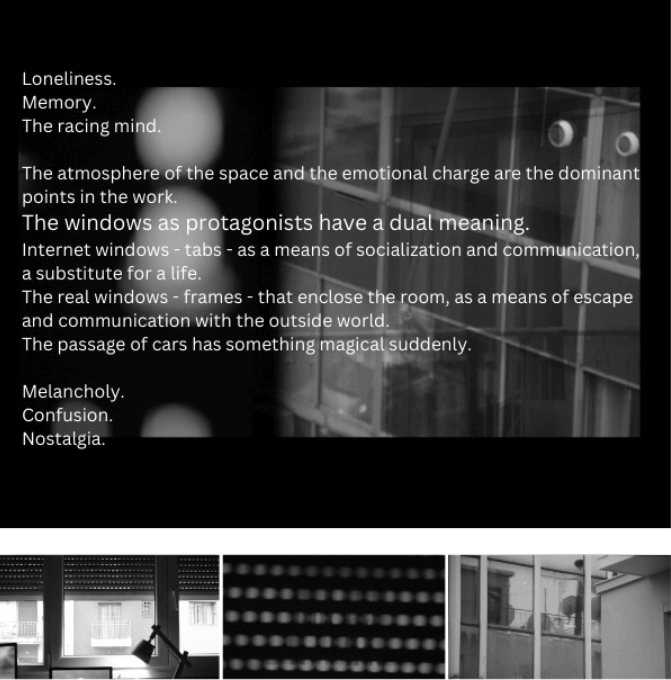
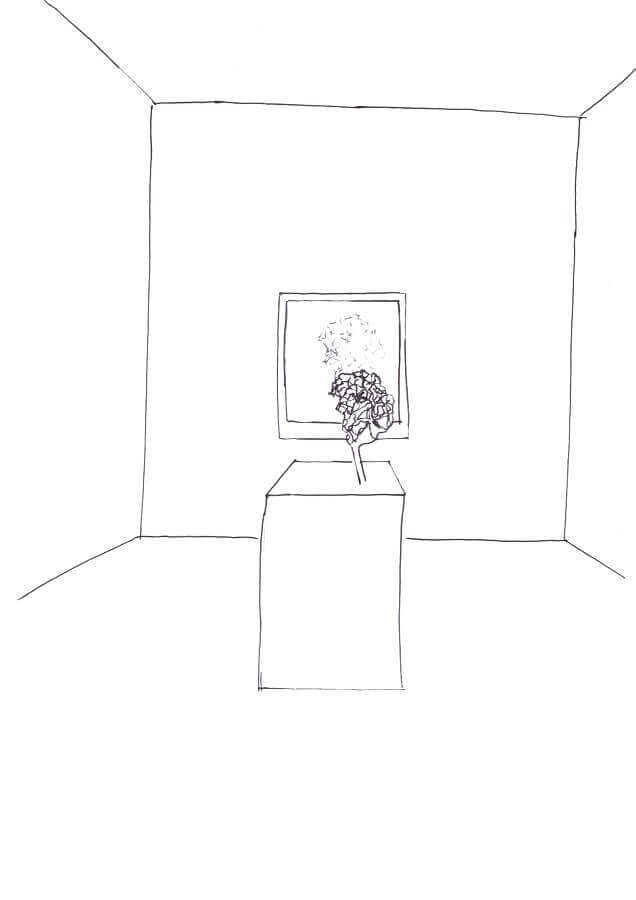
In the realm of acoustic hyper-reality we meet aural simulacra of the order of maleficence. These are signals that mask and denature a profound acoustic reality. They are referential and representational, but in a way that they dissimulate reality and become its twisted Doppelgängers. Simulacra of the order of maleficence are perversions of reality. With the sound artwork ‘Natural Perversion’ Through a set of sonic processes the artist delves into autogenerative, autopoietic, responsive and biomimetic modes of creation exploring how the original naturally produced audio signal can be transformed into a sonic caricature and depending on the way it balances between its signifier and its signified aspect, it may re-interpret naturally produced concrete audible events into a musical language which serves both the acousmatic and the non-cochlear approaches to contemporary sound art.