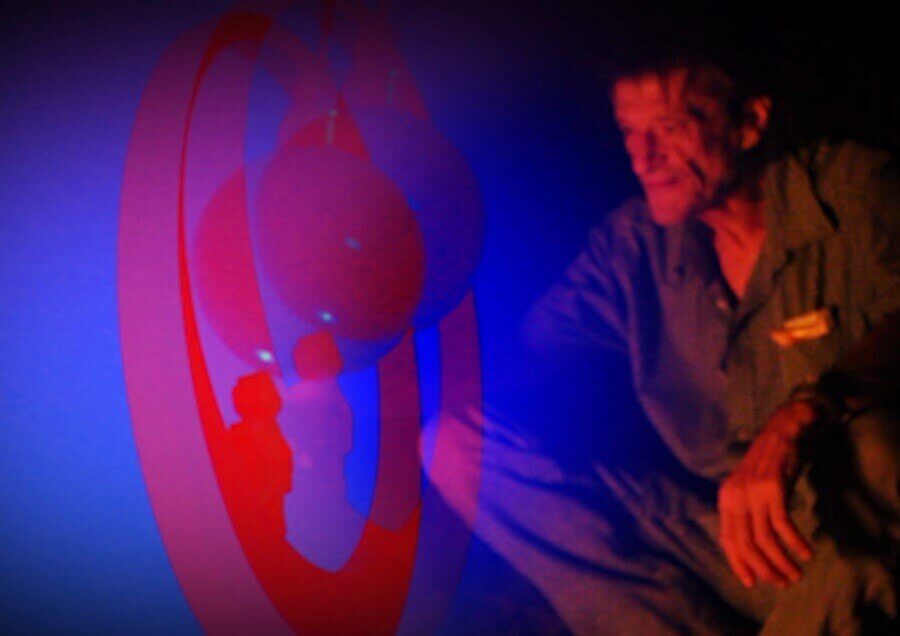


Demetris: A Visual Artist
The cinematic portrait of a visual artist, Demetris Papazachos, a senior student of the Fine Arts School in Thessaloniki, is about featuring an artist without just showing his artwork but emphasizing at his personality and his artistic thinking instead. Through his internal journey, gay culture elements are projected while an interesting question is raised: Who is "A Visual Artist" at last?
Related Works
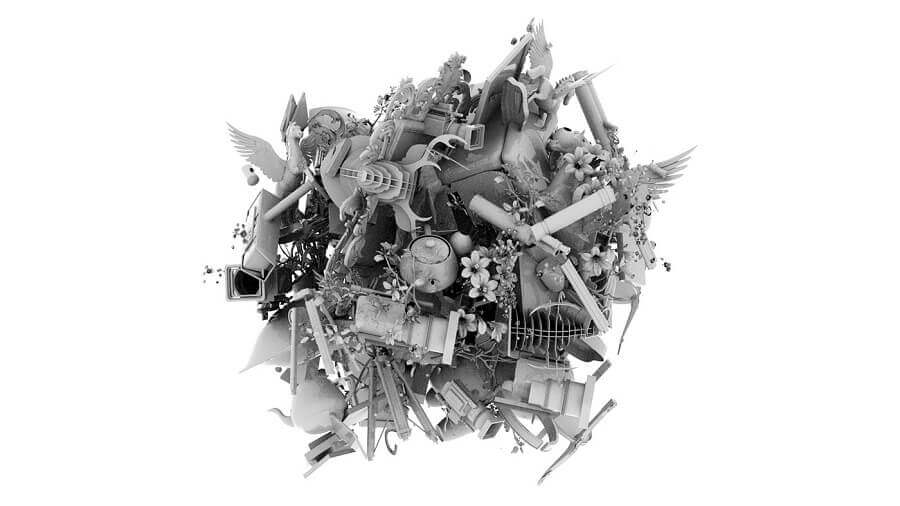
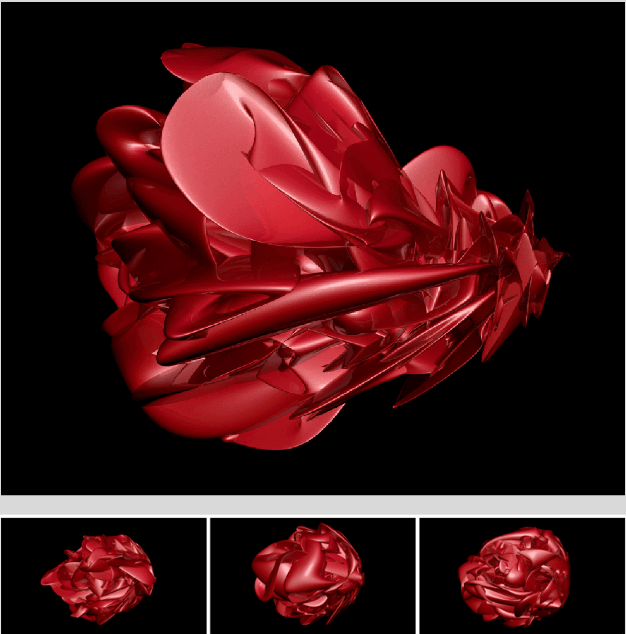
The project composes a series of random artifacts relating to art and design history, used either ας decorative or utilitarian artifacts, turning them into a non-definitive object [bouquet] floating in space.
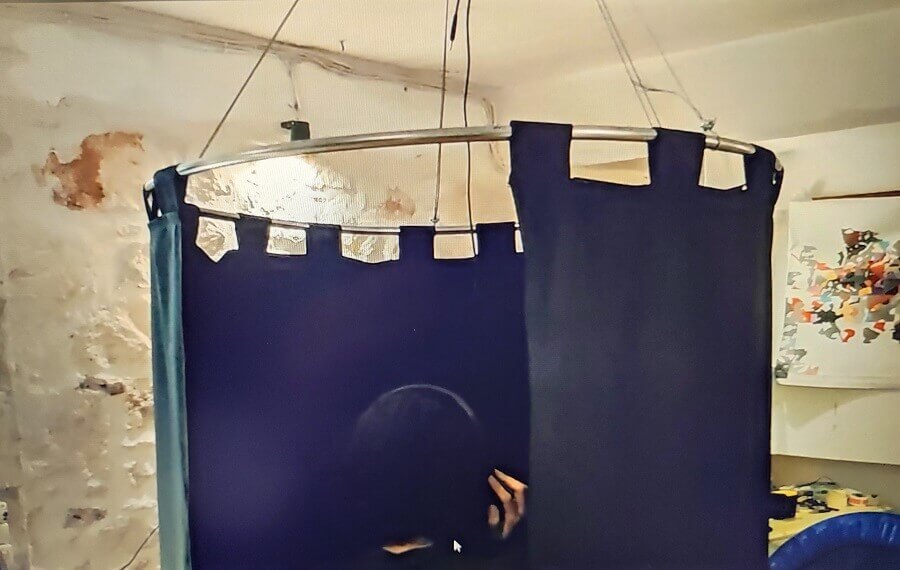
A place of relative isolation and no influence from the outside environment. Black cloth with a small opening that the viewer enters wearing headphones and playing a soundscape I created on a magnifying glass.
A day in my mother's life. The documentary shows her daily routine, something that I personally find very interesting as I believe that the true self of a person lies in the "insignificant".

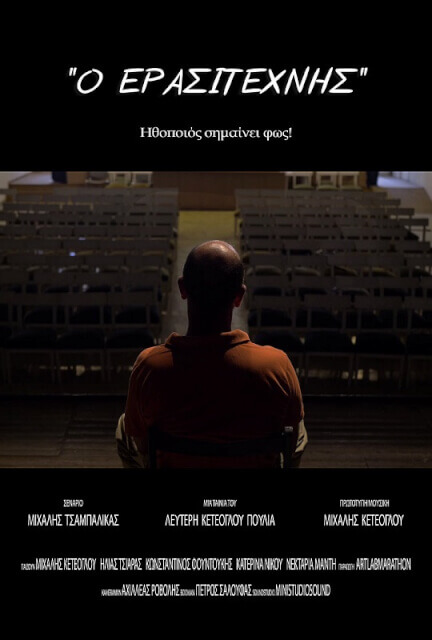
A professional electrician works in the villa of the rich professional actor. The electrician is also an amateur theater actor. The love of the amateur actor seems to be greater than the famous actor. The famous actor tries to make money but the amateur tries to do what he loves.
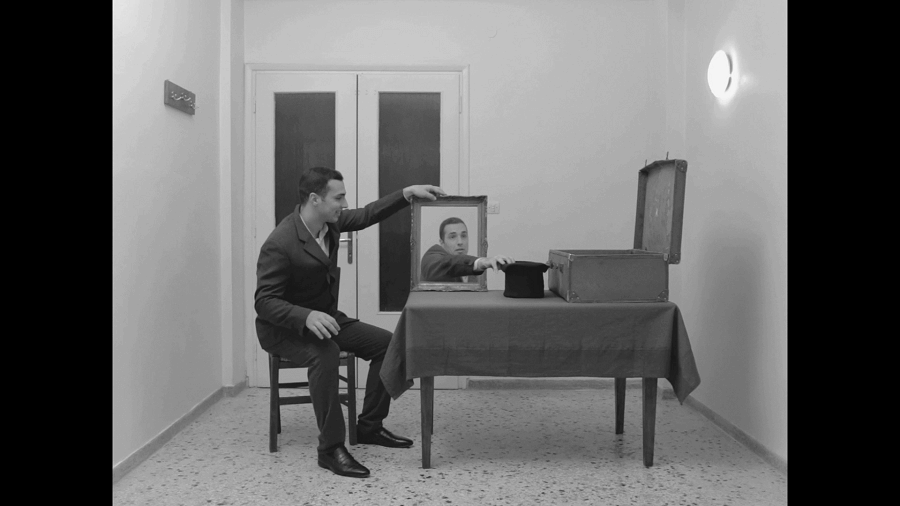
The main subject of this thesis is to analyze the special effects that George Melies used and invented, as well as the creation of a short film with special and visual effects, inspired by Melies’ work. This film has been implemented using modern techniques, aiming for an outcome that seems realistic but cannot actually happen in real life. All the techniques that have been used to create the film will be analyzed in depth.
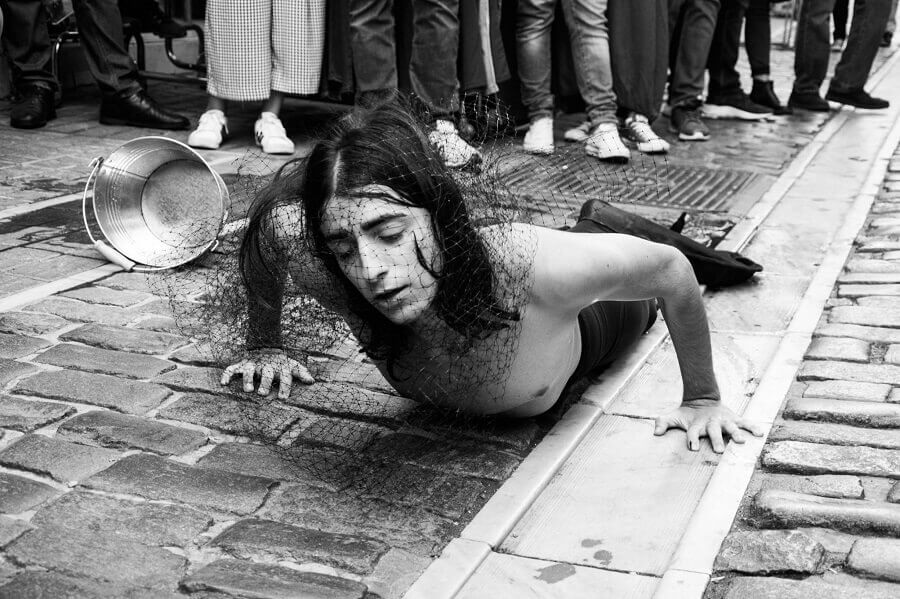
In the realm of acoustic hyper-reality we meet aural simulacra of the order of maleficence. These are signals that mask and denature a profound acoustic reality. They are referential and representational, but in a way that they dissimulate reality and become its twisted Doppelgängers. Simulacra of the order of maleficence are perversions of reality. With the sound artwork ‘Natural Perversion’ Through a set of sonic processes the artist delves into autogenerative, autopoietic, responsive and biomimetic modes of creation exploring how the original naturally produced audio signal can be transformed into a sonic caricature and depending on the way it balances between its signifier and its signified aspect, it may re-interpret naturally produced concrete audible events into a musical language which serves both the acousmatic and the non-cochlear approaches to contemporary sound art.
The Video installation in the exhibition emphasizes and at the same time negates the temporality of a medium whose dominant form of expression is space.
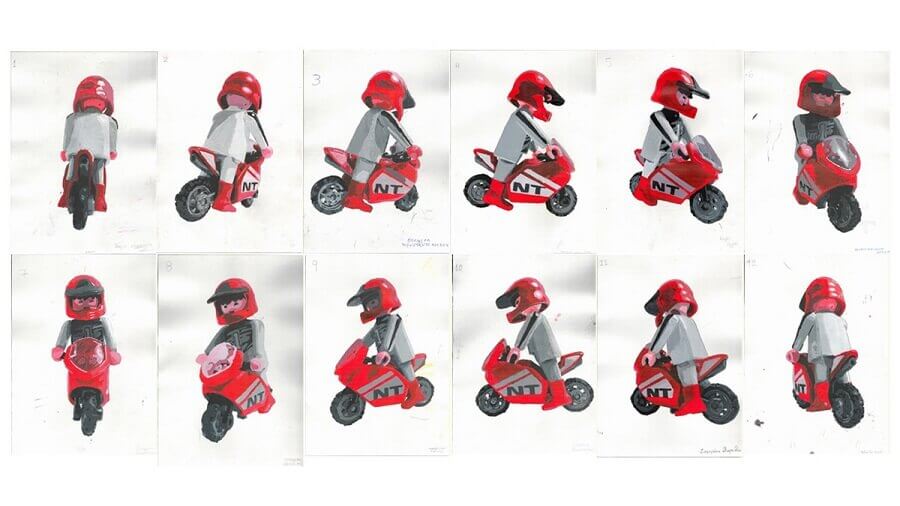
Moments that meet and compose new ones through clips of a few seconds. Their common point is the associative thinking during their creation and the sense of the surrealistic-dreamlike mood.