
The Room

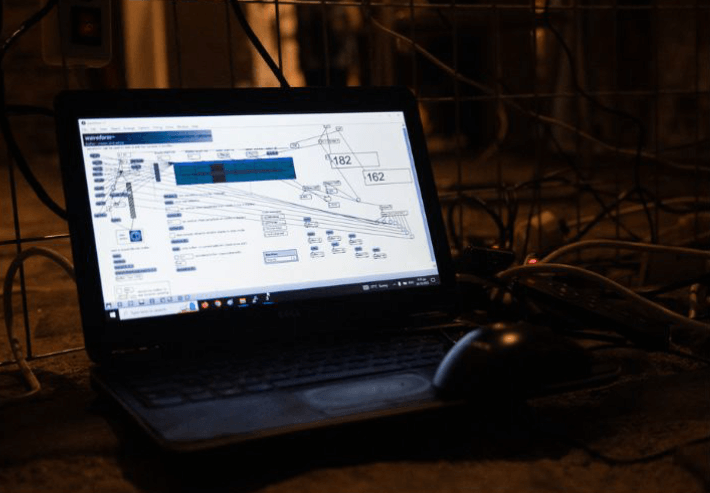
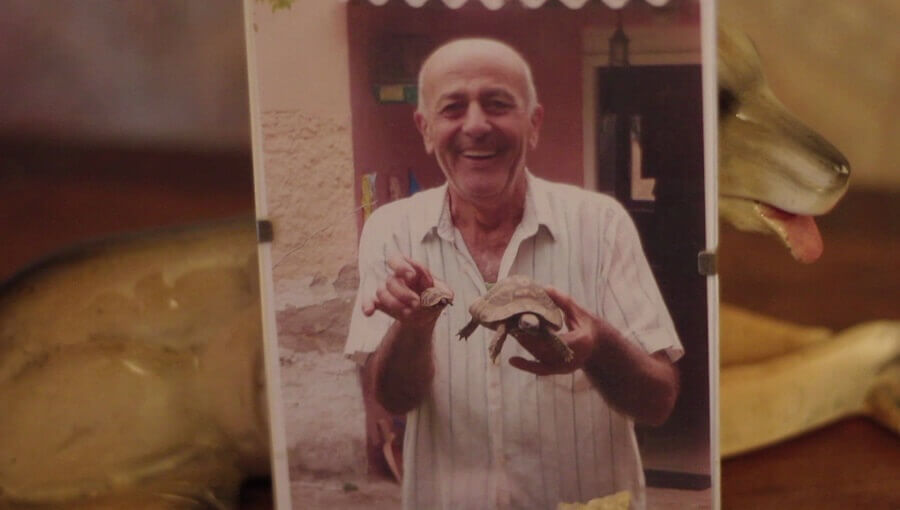
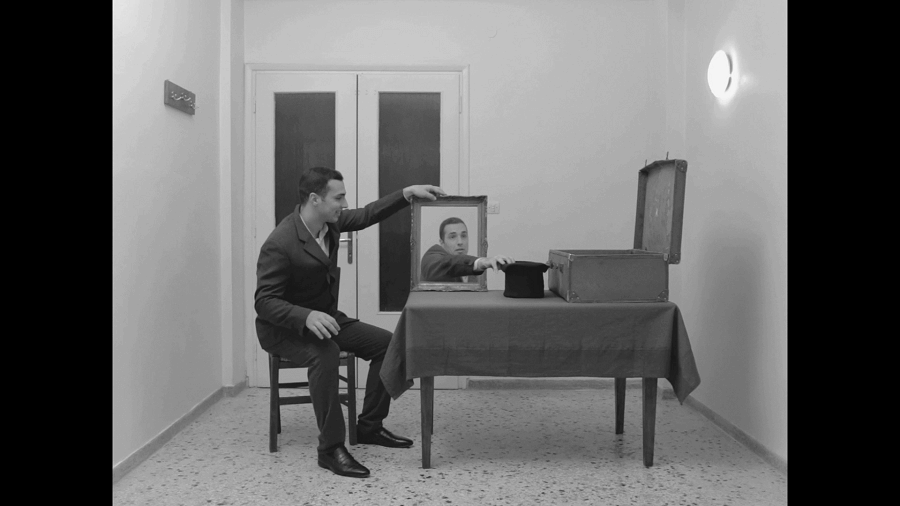
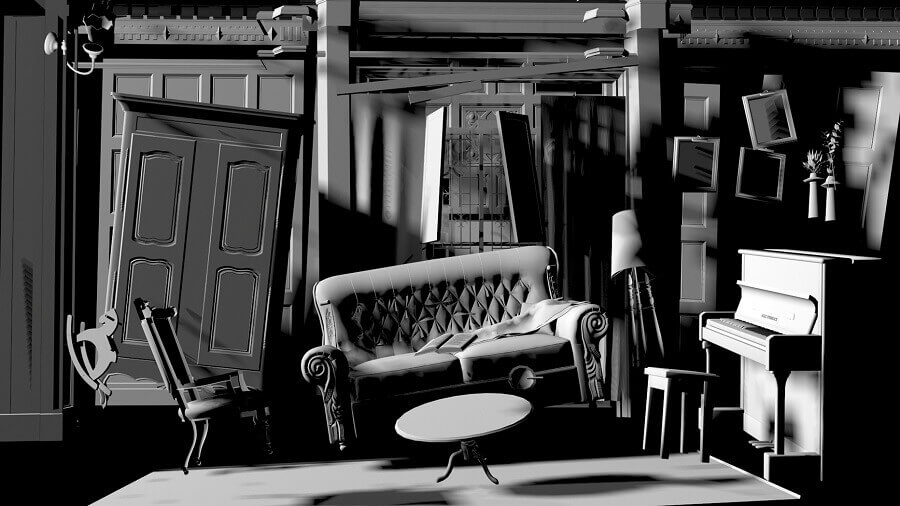
Where do memories go when they are lost? Are they still where we left them, if we don’t recall them? In this room, as private and irrevocable as our memory, objects animate a series of scenarios. A memory floods the room, another struggles to disclose itself, another one leaks back and forth in time. The idea of the ‘other’ hovers between what has already passed and what is reminisced every time. We never recollect events and spaces as such. We always enliven recollections in our own way. Through constant evocations that seek to perpetuate the existence of the ‘room’, memories converse with space and time, as well as with a part of ourselves. Either as past, forgetfulness or loss, they always contain something that is already gone.
Curation: Konstantinos Tiligadis Sound Design: Apostolos Loufopoulos Visual Design: Angeliki Malakasioti
Related Works
The AVARTS team's project "Filter Bubbles" aims to raise critical reflection on the extent of the responsibility attributed to algorithms and technology for the formation of these "isolation bubbles". Furthermore, through the artistic process, it aims to weaken the positive feedback loops that gigantize imperfect information, foster fear and undermine creativity.
The fulfillment of a last wish leads Filippo to a retrospection from the mountains of Epirus to the recent past of the year 1945. His meeting with his history revives the memory of a whole village, unfolding the relations and the bonding of two peoples against the commands of an era, which is not as far as we think.
EX-SITU[existing situations] is an interactive installation that incorporates a computer, sound, and lighting technologies in which users/ viewers take part in the destruction of the painting by stepping on it. At the same time, a motion tracking system marks visitors and a light spot tracks them.
The content of EX SITU calls for awareness of social indifference, self-promotion, and their impact on society. The structure of EX SITU is intentionally ambiguous, revealing the obsession/fascination for the protection of material in contrast with the empathy for other people.
The interactive installation underlines the responsibility of individuals in society. The theoretical part analyses the Destruction in Art Symposium in 1966 and The bystander effect, or bystander apathy, in which individuals are less likely to offer help to a victim when other people are present.
Between 1920 and 1930 the writer Ernest Hemingway was at a bar in Paris with other artists. When he claimed he could write a story in just six words, everyone in the company made fun of him. Then he made a money bet with them, that he could indeed write a story formed in three sections - beginning, middle and end - in just six words. So, he took a napkin and wrote: "For sale: baby shoes never worn". He definitely won the bet, since his story was complete.
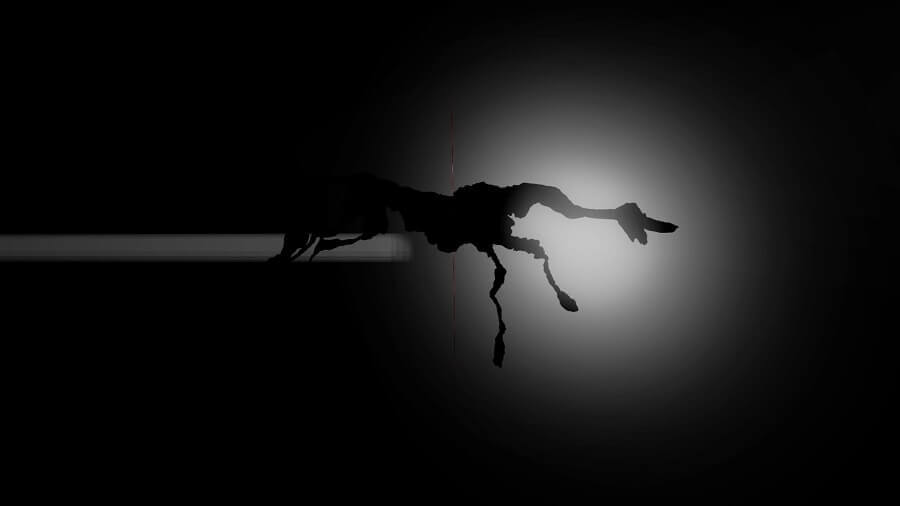
Audiovisual work about postmortem punishment as it is depicted in the cultural conscience of the western world, using atmosphere as a narrative tool.
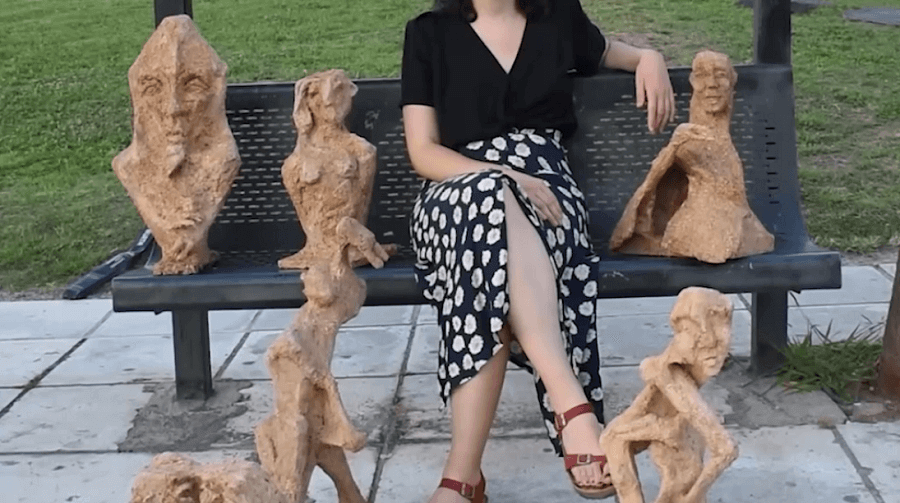
The subject of Charis Myrsilidi’s thesis concerns the transfer of literary text to image. The excerpts of the selected texts are stories from the Grimm brothers' fairy tales and the connecting link is the pattern of transformation (metamorphosis). The presentation of the practical part of the thesis concerns an installation with clay sculptures, sound track and lighting. The sculptural space is formed by Charis Myrsilidi, a student of the Department of Audio Visual Arts and the sound by the composer Ioannis Konsolakis.
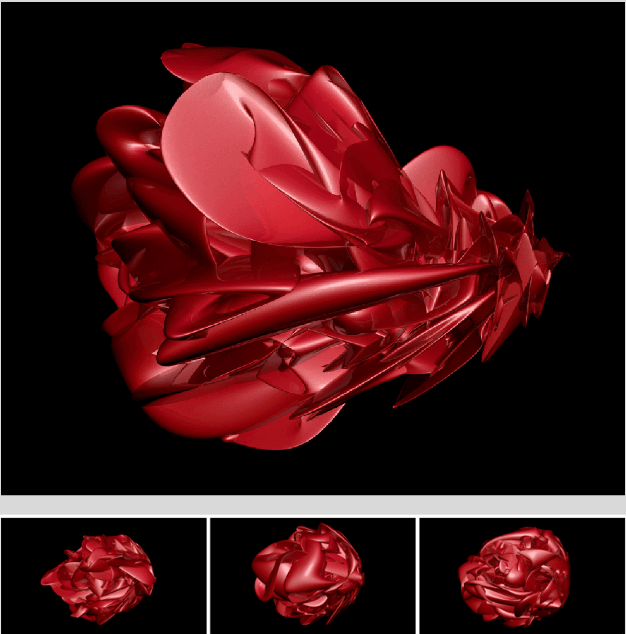
The project composes a series of random artifacts relating to art and design history, used either ας decorative or utilitarian artifacts, turning them into a non-definitive object [bouquet] floating in space.
The present postgraduate thesis was prepared in the context of the completion of the postgraduate program of the Department of Sound and Visual Arts of the Ionian University.
The study of the subject will be the facts and data on the occasion of the completion of 200 years since the Greek Revolution.
The present work aims to enrich the theoretical framework of study. Its structure is based on data that I have collected (rare photographic material, letters, etc.), from the Public Archives of the State, the Kapodistrias Museum and the Reading Company.
Α work based on the rules of kinetic poetry and explores the relationship between Space and Self. The Space defined by our Self [Ego] is malleable, it changes and interacts with the Space of Others. Physical and non-physical, the Space covered by the Ego is hetero-determined and constantly changing in eternity.
Moments that meet and compose new ones through clips of a few seconds. Their common point is the associative thinking during their creation and the sense of the surrealistic-dreamlike mood.