
Panopticon

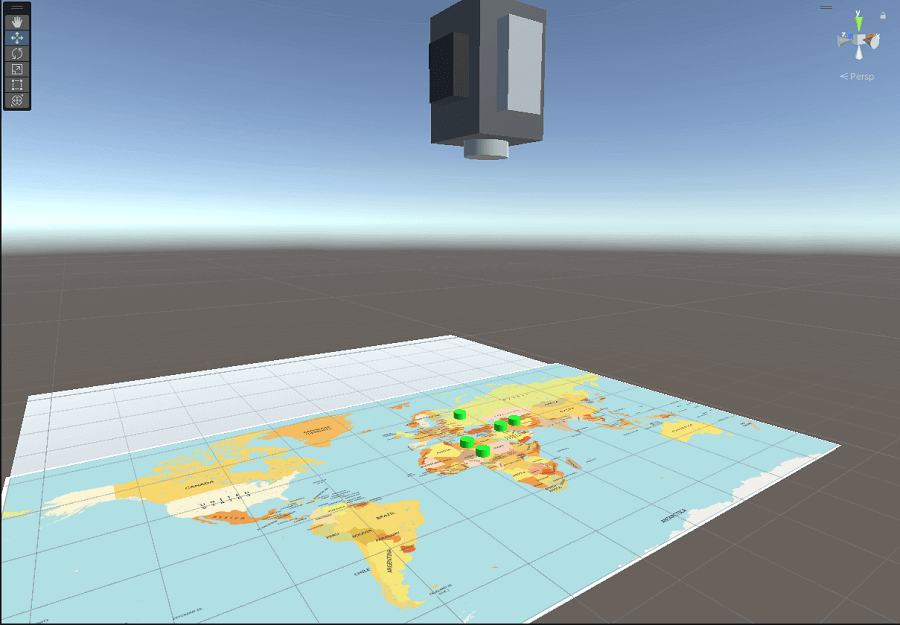
It is an Interactive Installation that deals with the issues of immigration, wars and surveillance of citizens on a global scale.
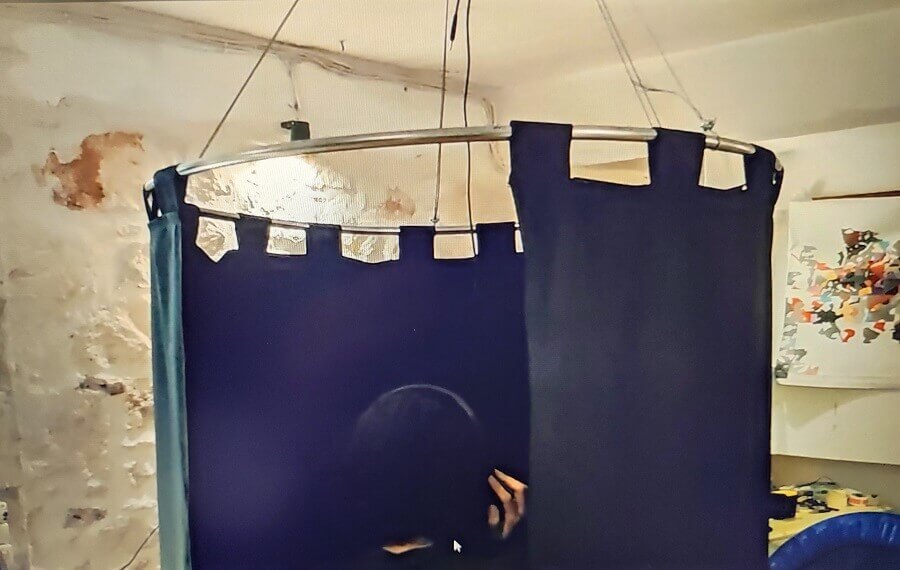
The project is currently under construction and consists of an abstract representation of the World Map drawn on the floor from cables which connect Piezo sensors to a Raspberry Pi 4 Single Board Computer and which get activated when pressed , producing sounds related to the country in which the corresponding sensor is placed on the floor.
A Webcam will be placed on the ceiling, which will be connected to the Raspberry Pi and will recognize the viewer's position in space and other characteristics about the viewer , thus contributing to the creation of the feeling of being watched.
Related Works
Mirror project that interacts with "Me myself & ai" by Sofi Moutafi. The creation of this work results from the collaboration of man and machine, which places it at the intersection of these two great sets.
The present postgraduate thesis was prepared in the context of the completion of the postgraduate program of the Department of Sound and Visual Arts of the Ionian University.
The study of the subject will be the facts and data on the occasion of the completion of 200 years since the Greek Revolution.
The present work aims to enrich the theoretical framework of study. Its structure is based on data that I have collected (rare photographic material, letters, etc.), from the Public Archives of the State, the Kapodistrias Museum and the Reading Company.
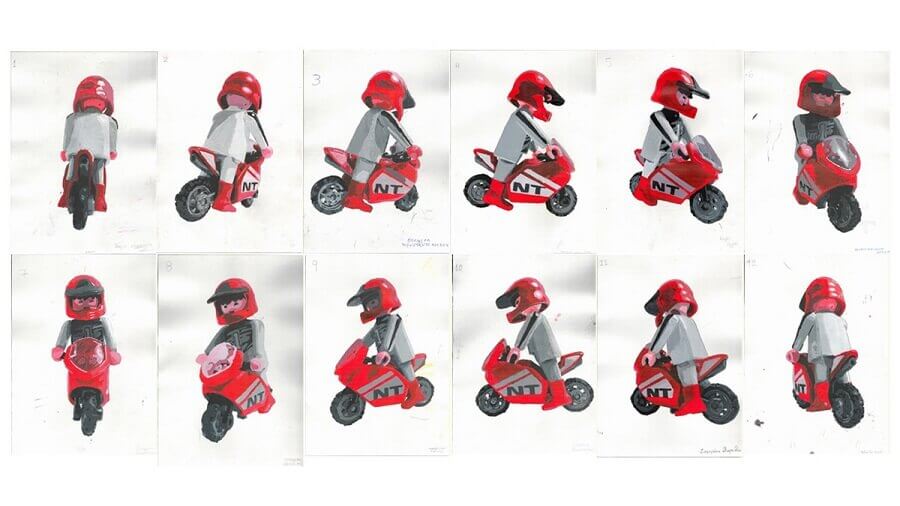
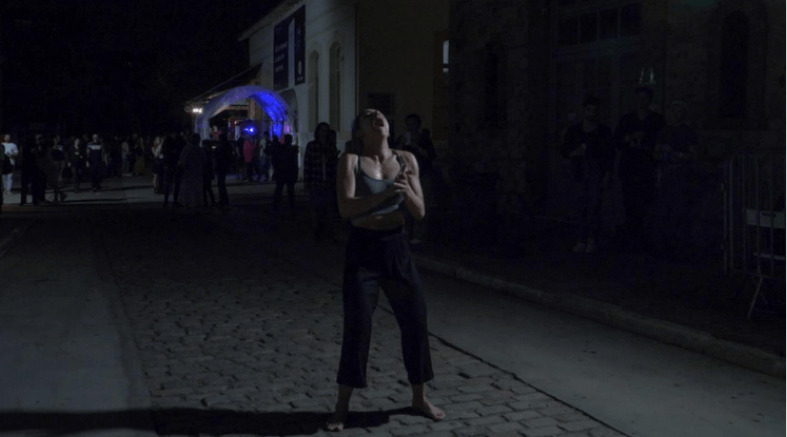
This thesis is about the production, direction and animation οf a contemporary dance music video lasting four (4) minutes. Its title is "OBLIVION: Music video using the Rotoscoping technique". Its subject is the loss of a great summer love and the pain that comes when this love is over. Its goal for all of its elements be to harmoniously joined together i. e. the dance, the surroundings, the colors, the music and the animation so as to make the viewer feel nostalgic and melancholic.
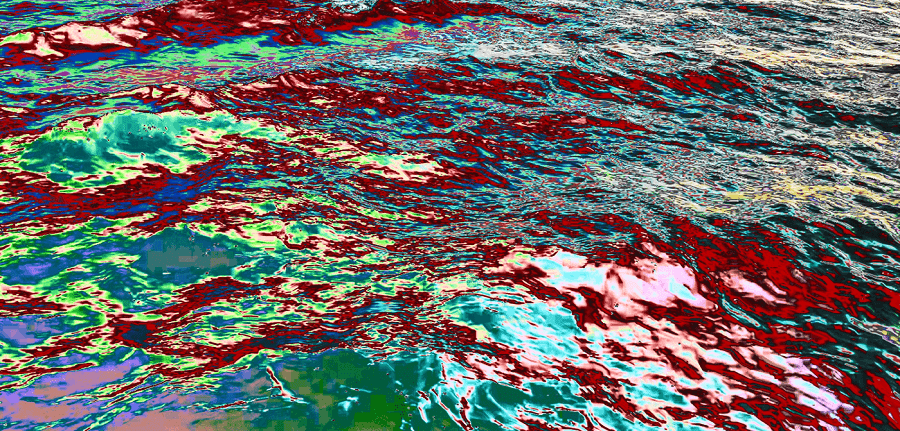
Presentation of 3d projection mapping, on Church of Panagia ton Xenon, Kyra - Faneromeni (Old Town, Corfu, Greece), October 2, 2020 at 10:00.
In the dissertation, following the strategy of deliberate ambiguity and crossing different eras, we go through a path of images and information, which express hope and fear in various fields and they characterize every culture and every society.
At the same time, moving from formalism to realism, it emerges that the Aristotelian definition of the representational unity of space-time-action is no longer valid in art. Undoubtedly, the formalist movement has shown that planes are understood not only as sequences of logical units, but also as theoretical or ideological conceptions, where their connection is not legitimized on the basis of the principle of space-time unit, but by some abstract theoretical model, such as is the model of metaphor, the path through contradictions, symbolism and anything else that enhances the removal of the theoretical model. But also internal realism, which is not a theory of truth, highlights the convergence of two seemingly incompatible ideas.
EX-SITU[existing situations] is an interactive installation that incorporates a computer, sound, and lighting technologies in which users/ viewers take part in the destruction of the painting by stepping on it. At the same time, a motion tracking system marks visitors and a light spot tracks them.
The content of EX SITU calls for awareness of social indifference, self-promotion, and their impact on society. The structure of EX SITU is intentionally ambiguous, revealing the obsession/fascination for the protection of material in contrast with the empathy for other people.
The interactive installation underlines the responsibility of individuals in society. The theoretical part analyses the Destruction in Art Symposium in 1966 and The bystander effect, or bystander apathy, in which individuals are less likely to offer help to a victim when other people are present.
The fulfillment of a last wish leads Filippo to a retrospection from the mountains of Epirus to the recent past of the year 1945. His meeting with his history revives the memory of a whole village, unfolding the relations and the bonding of two peoples against the commands of an era, which is not as far as we think.
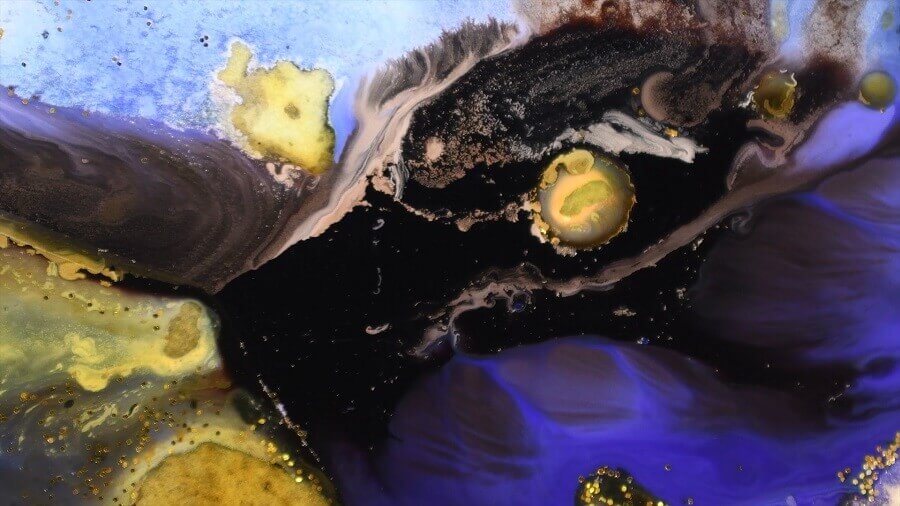
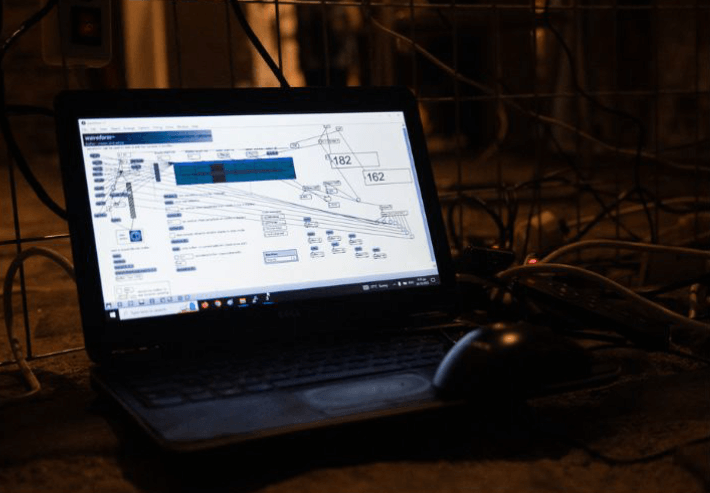
When the observer is standing in front of a work of art and is trying to comprehend it, they are consciously entering a recognition process. This is achieved because the brain recognizes the relationship between some shapes or colors in the piece of art and, automatically, recalls them from memory. This procedure creates the necessary conditions for the creation of new neural synapses. Using these facts?, the artist suggests an audiovisual performance that includes an interference of audio to the visual aspect? in real time.