
Wroom

Related Works
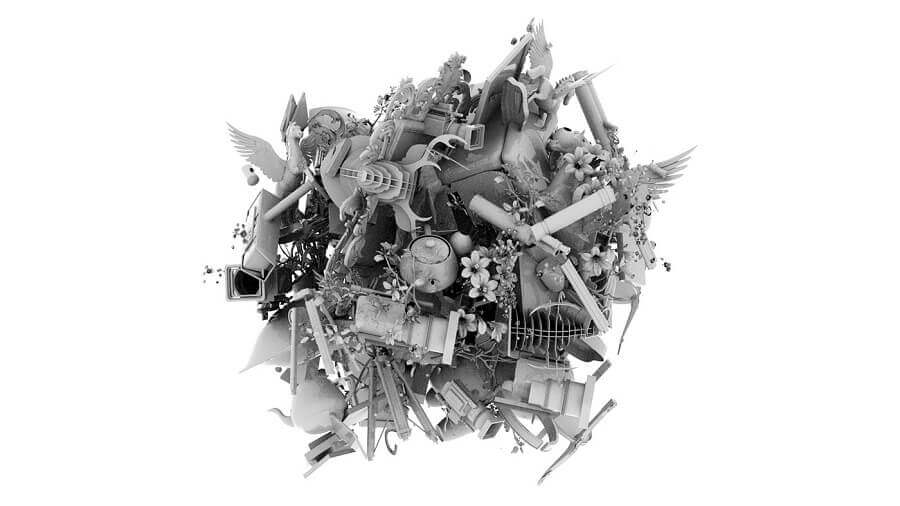
The project composes a series of random artifacts relating to art and design history, used either ας decorative or utilitarian artifacts, turning them into a non-definitive object [bouquet] floating in space.
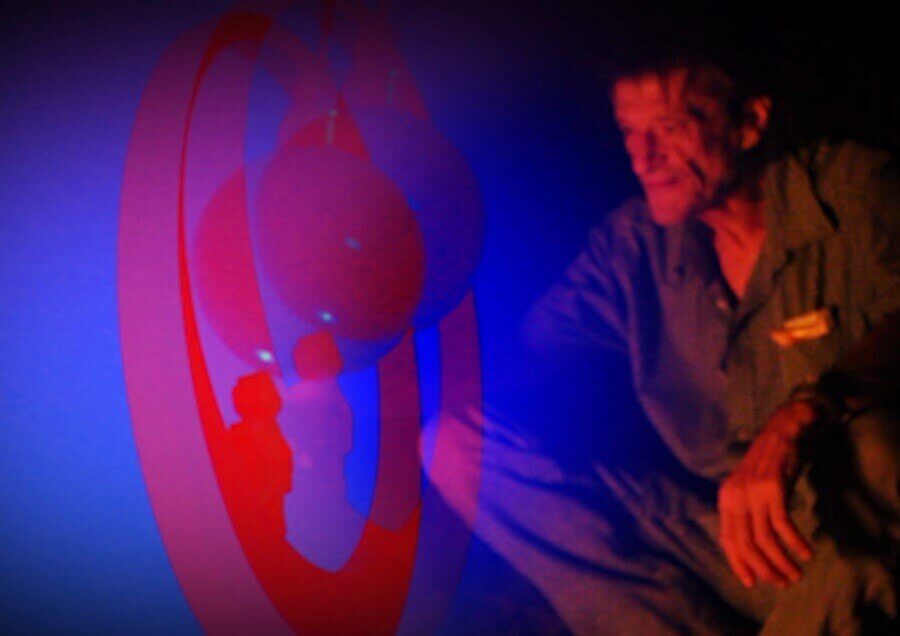
The video is a documentation of a spatial installation with a dual role, through viewing / observation and participation. The investigation of the relationship that develops between digital and real space, acting in it, as the main axis of the narrative, the human being is the framework of the research with object of study the concept of metaphor to the coexistence of experience as a narrative and of the experience of the present as a fact of performance. The real environment through recording projected into an analog painting and transferred to a digital environment (images-video- video projection) connecting the real, the digital and painting form. Respectively, the natural environment of the installation transferred to the projection surface, in a digital space, via the camera and projector.
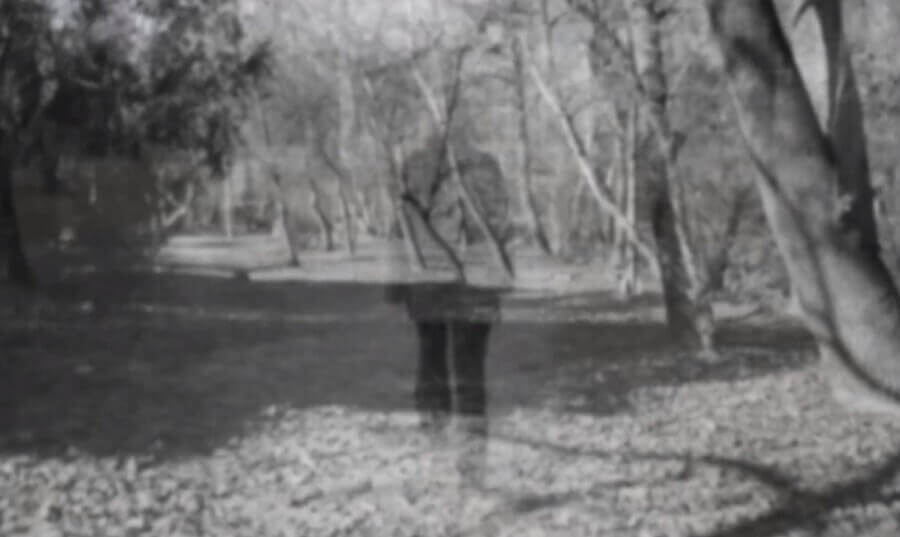
Where do memories go when they are lost? Are they still where we left them, if we don’t recall them? In this room, as private and irrevocable as our memory, objects animate a series of scenarios. A memory floods the room, another struggles to disclose itself, another one leaks back and forth in time. The idea of the ‘other’ hovers between what has already passed and what is reminisced every time. We never recollect events and spaces as such. We always enliven recollections in our own way. Through constant evocations that seek to perpetuate the existence of the ‘room’, memories converse with space and time, as well as with a part of ourselves. Either as past, forgetfulness or loss, they always contain something that is already gone.
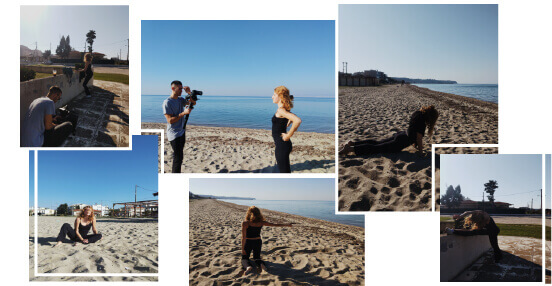
A freediver transforms into water while he dives beneath the surface, connects with nature and becomes a part of the underwater environment by hunting like a marine predator.
The mesmerizing underwater world is accessible to those who overcome fear and dare to push their human limits a little further in order to explore it. The passion with the serene world beneath the surface becomes a lifestyle for those who surrender themselves to negative buoyancy.
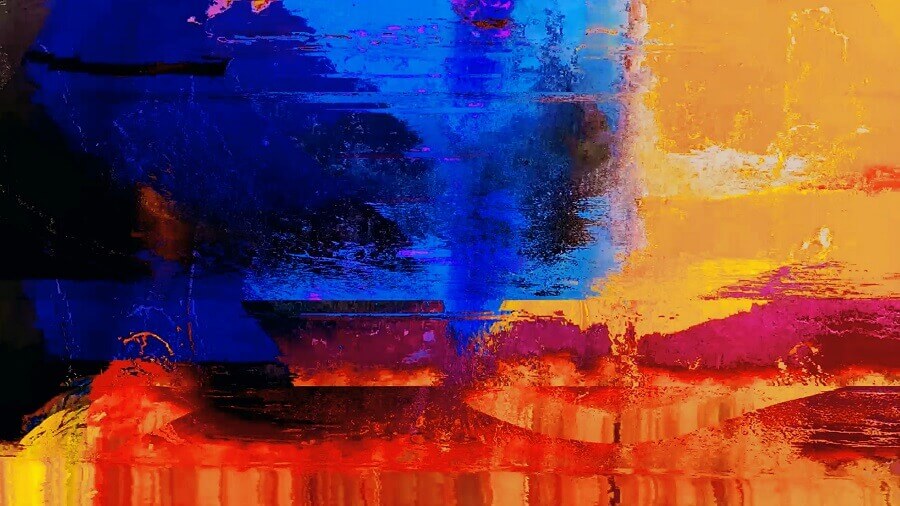
The quarantine's experience time has functioned as a humanized time. Its previous social barbarity was imprisoned in the familiar cage of my soul and became my creation time. Each day was my friend, an eternal circular and dynamic present, a consciousness without conflicts. It was like an eternity that is experienced differently every moment. An unprecedented form of stillness gripped me and perpetuated in many abstract fragments which finally formed the new texture of my existence, in this peculiar isolation. I became from the carcass of time I was before, its qualitative disintegration… Reality was distorted and experienced illusively. The time from the alienation that was before, was transformed and became the cover for the scratched truth of myself. This kind of time my conscience had dreamed to live.
EX-SITU[existing situations] is an interactive installation that incorporates a computer, sound, and lighting technologies in which users/ viewers take part in the destruction of the painting by stepping on it. At the same time, a motion tracking system marks visitors and a light spot tracks them.
The content of EX SITU calls for awareness of social indifference, self-promotion, and their impact on society. The structure of EX SITU is intentionally ambiguous, revealing the obsession/fascination for the protection of material in contrast with the empathy for other people.
The interactive installation underlines the responsibility of individuals in society. The theoretical part analyses the Destruction in Art Symposium in 1966 and The bystander effect, or bystander apathy, in which individuals are less likely to offer help to a victim when other people are present.
One week in ten minutes is a video in which the recording of unboxing, the act of opening the boxes, confronts the viewer with the repeated search in empty boxes that contain absolutely nothing. Each box is the promise of a gift which is to come, promising a gift whose dispatchment is always deferred.
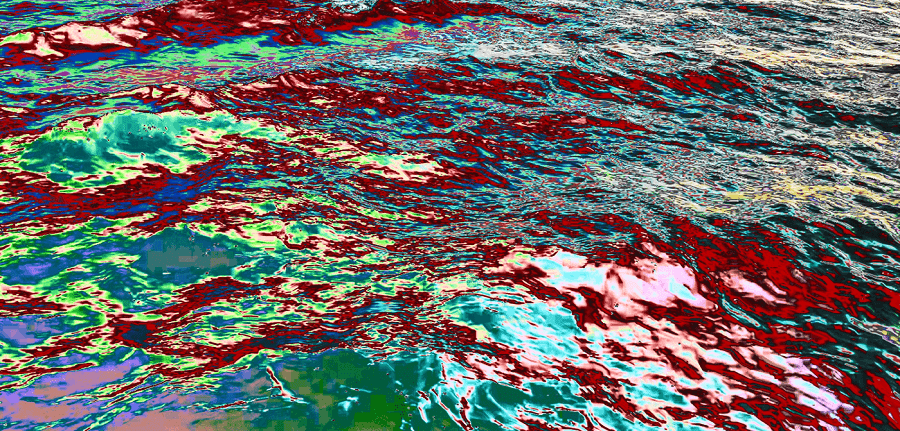
Paraphrase, reference of the title to the depression caused by the shocking images of drowned children in the Mediterranean, the watery grave of persecuted refuges.
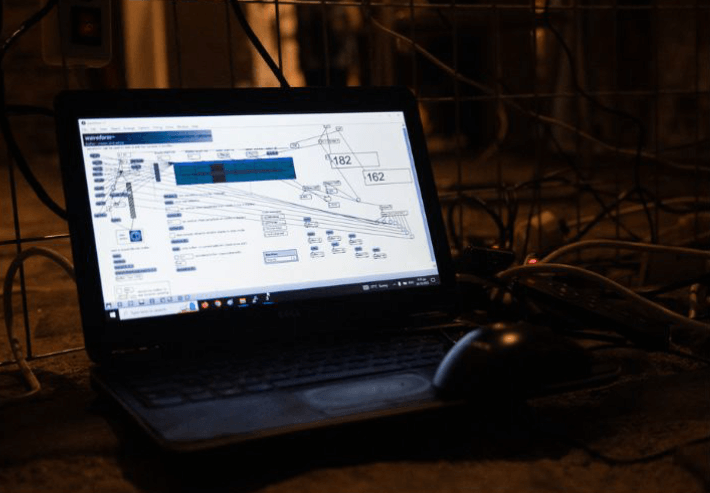
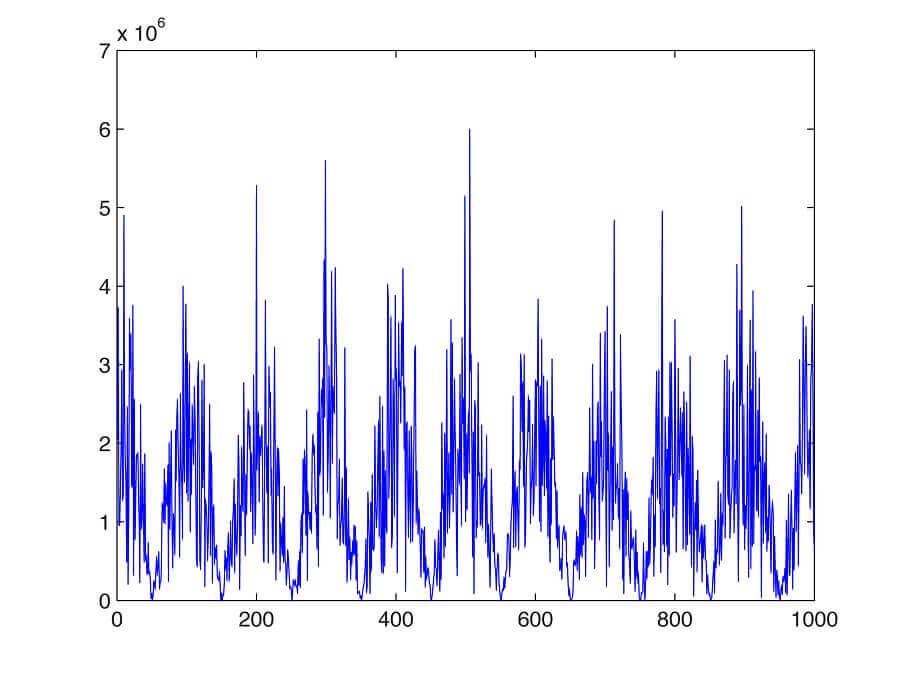
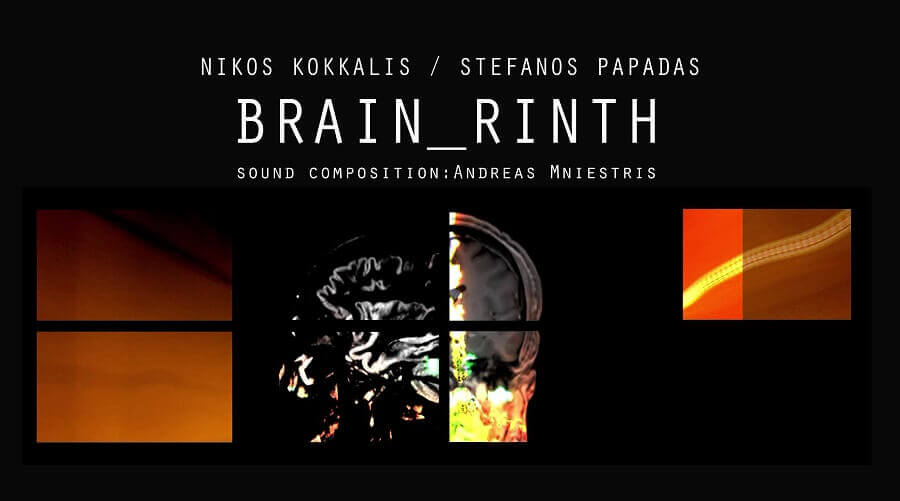
When the observer is standing in front of a work of art and is trying to comprehend it, they are consciously entering a recognition process. This is achieved because the brain recognizes the relationship between some shapes or colors in the piece of art and, automatically, recalls them from memory. This procedure creates the necessary conditions for the creation of new neural synapses. Using these facts?, the artist suggests an audiovisual performance that includes an interference of audio to the visual aspect? in real time.