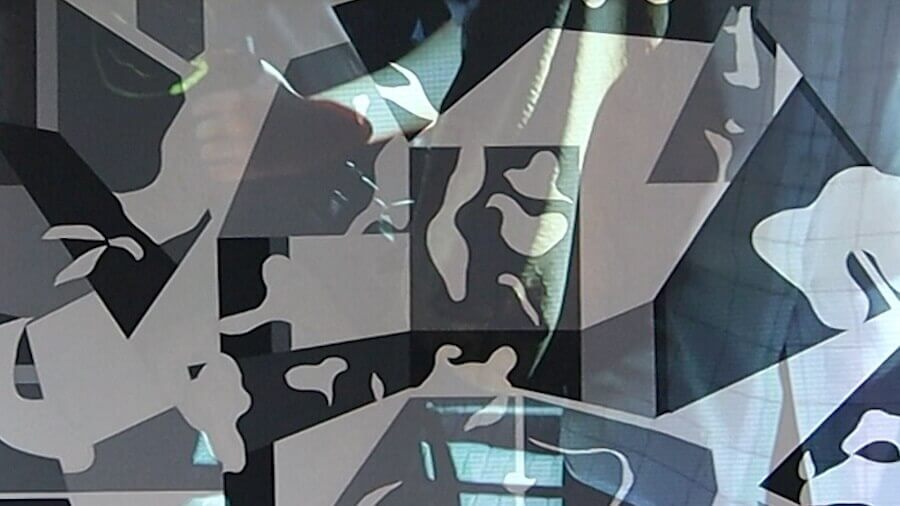


In between moments
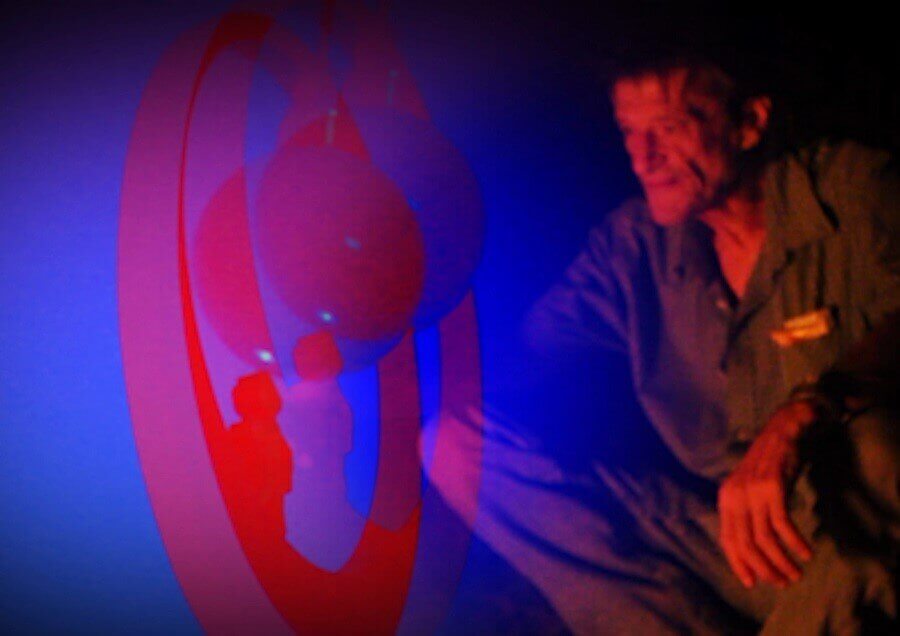
Moments that meet and compose new ones through clips of a few seconds. Their common point is the associative thinking during their creation and the sense of the surrealistic-dreamlike mood.
Related Works
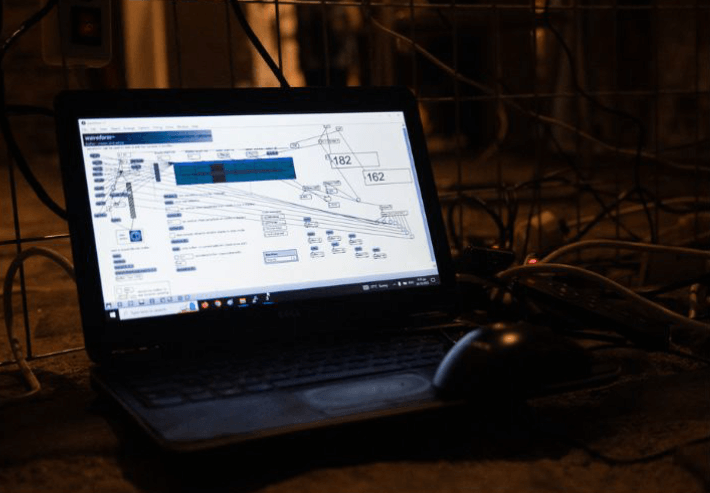
Multiple distance sensors trigger sound events ας people move around and get close to the grid with the srceens.
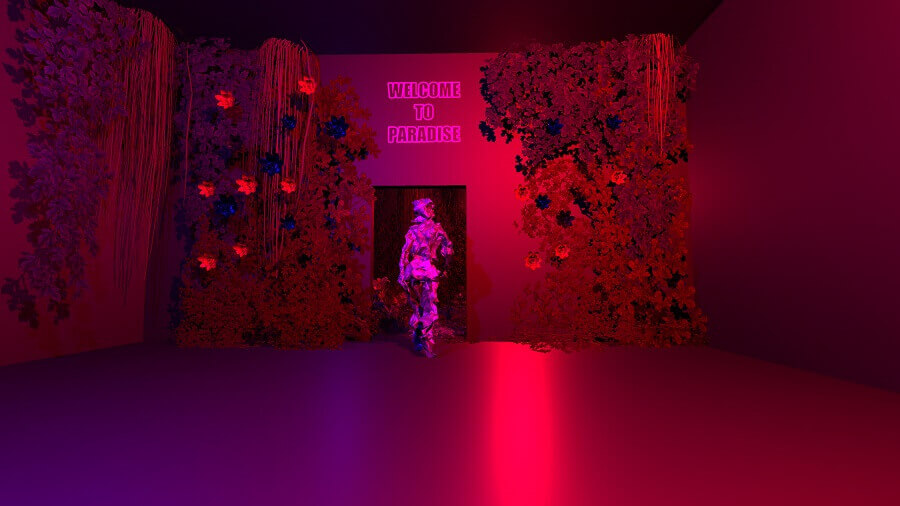
The title of this artwork is "Where Do I Exist?". This is a virtual space that explores the relationship between reality and virtual reality. Moreover, it the result of a pandemic society that tends to communicate through social media. It is the impression of our lifes into a virtual world, free from our body and the stereotypes it might follows it. Could we be free from our body and ideas such as gender identity and death? What is the meaning of touch into an immaterial world? Anyone can be part of this artwork with a twitter hashtag of the word #immaterial.
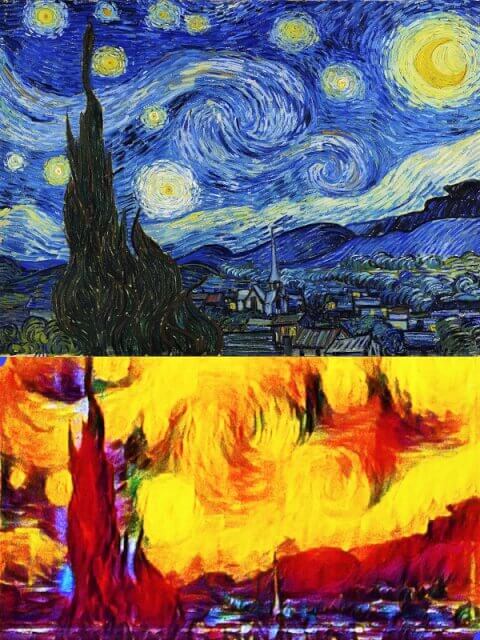
As Vincent van Gogh's "Starry Night" is one of my favorite paintings, I created an acoustic composition with the main goal of creating an atmosphere with a freer and more abstract approach. The small touches, the colors, the swirling flow, the natural landscape of the painting and the psychosynthesis of the artist are captured. The piece in combination with two images consists of three parts. In the first part, the night landscape is presented, in the second the intense emotions of the artist and in the third the nature with its power that calms the human soul.
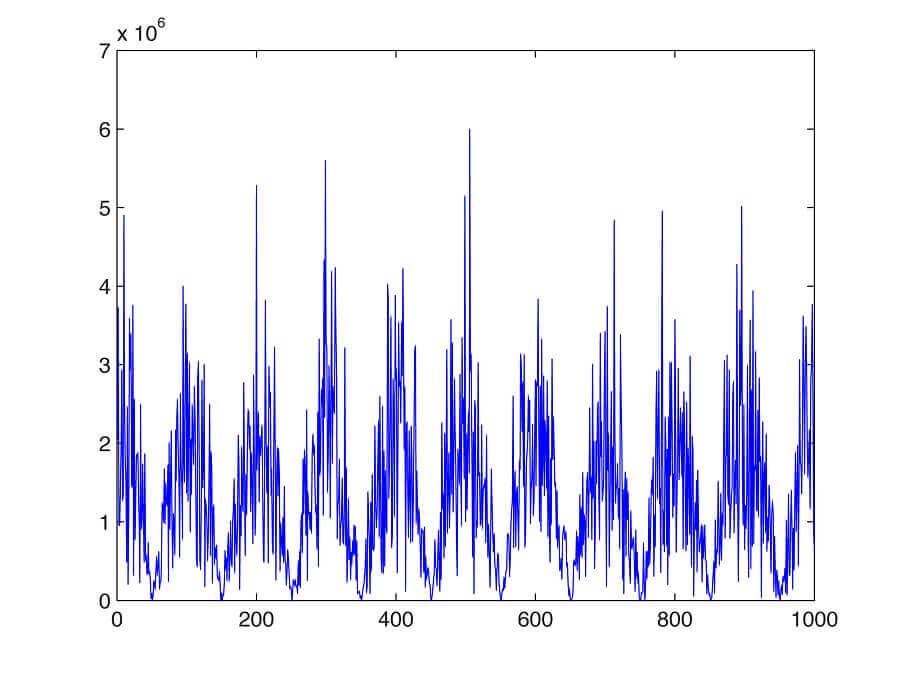
This changing frame represents an allegorical image of human nature, which when it is in dialectic with the outside world - during the transition from private to public life, experiences conflicting feelings of apprehension, anticipation, reticence, curiosity and extroversion.
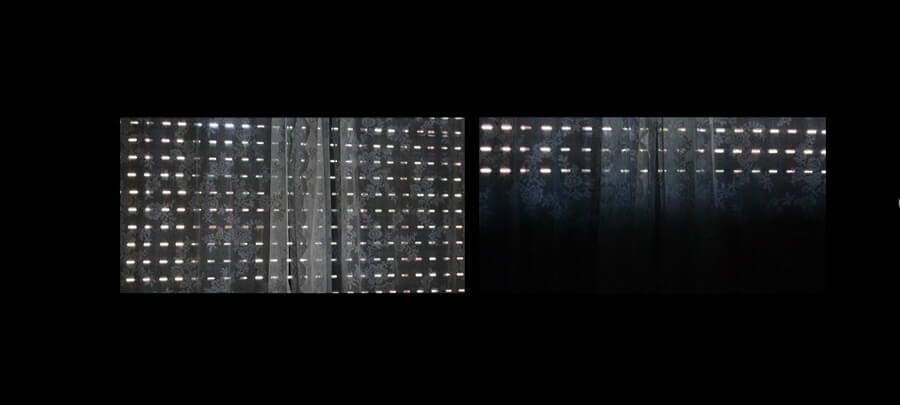
The quarantine's experience time has functioned as a humanized time. Its previous social barbarity was imprisoned in the familiar cage of my soul and became my creation time. Each day was my friend, an eternal circular and dynamic present, a consciousness without conflicts. It was like an eternity that is experienced differently every moment. An unprecedented form of stillness gripped me and perpetuated in many abstract fragments which finally formed the new texture of my existence, in this peculiar isolation. I became from the carcass of time I was before, its qualitative disintegration… Reality was distorted and experienced illusively. The time from the alienation that was before, was transformed and became the cover for the scratched truth of myself. This kind of time my conscience had dreamed to live.
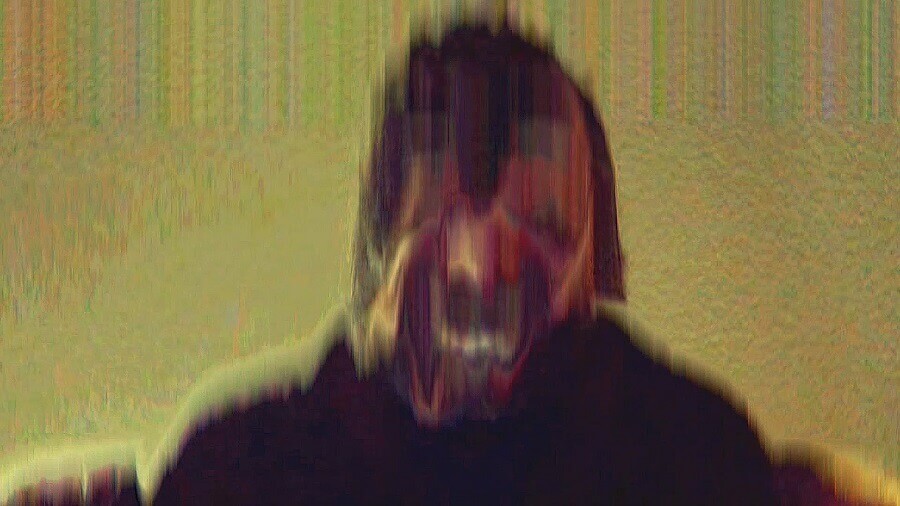
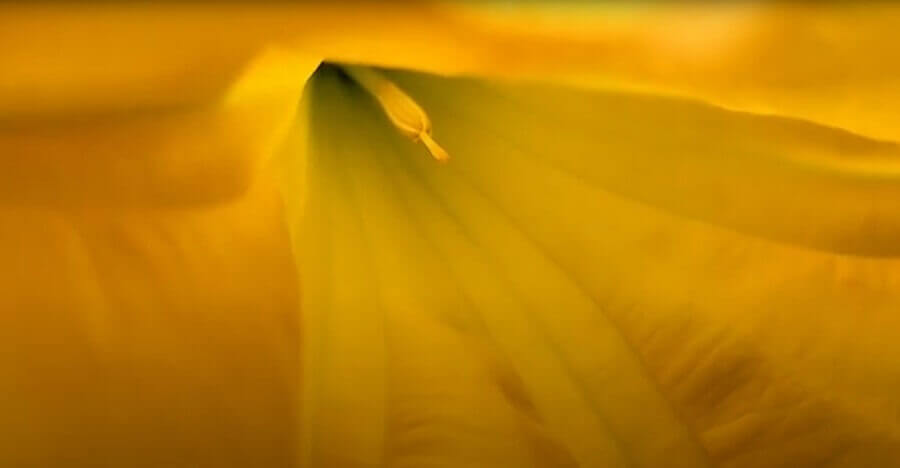
The project focuses on close-ups of flowers ας elements of the beauty of nature and the spiritual uplift created by the connection with it.
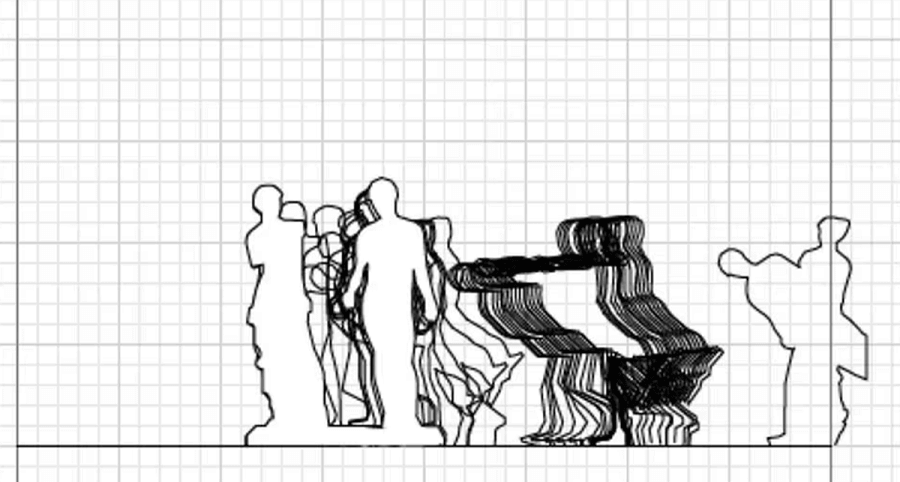
This is a Iove story between a female statue and a man. It is about the pious desires of people ας they apply them to the interpersonal relationships they develop.
The video is a documentation of a spatial installation with a dual role, through viewing / observation and participation. The investigation of the relationship that develops between digital and real space, acting in it, as the main axis of the narrative, the human being is the framework of the research with object of study the concept of metaphor to the coexistence of experience as a narrative and of the experience of the present as a fact of performance. The real environment through recording projected into an analog painting and transferred to a digital environment (images-video- video projection) connecting the real, the digital and painting form. Respectively, the natural environment of the installation transferred to the projection surface, in a digital space, via the camera and projector.