

Private - Public
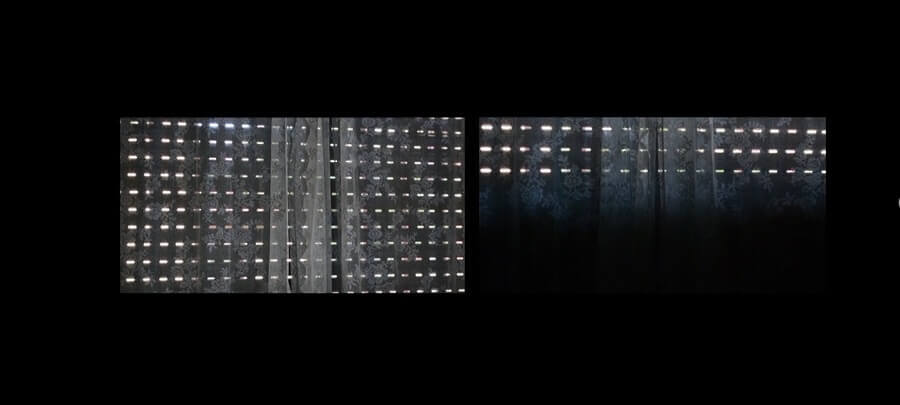
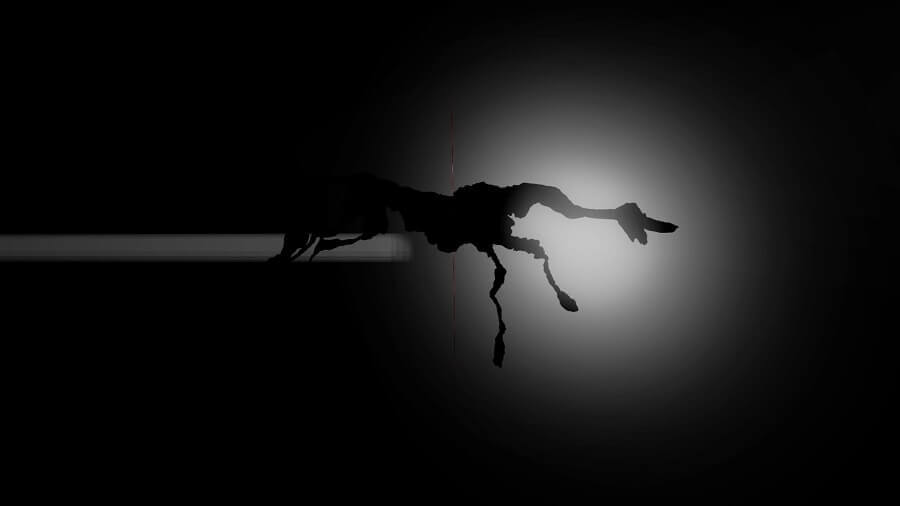
This changing frame represents an allegorical image of human nature, which when it is in dialectic with the outside world - during the transition from private to public life, experiences conflicting feelings of apprehension, anticipation, reticence, curiosity and extroversion. That's why clear boundaries during this transition are difficult to set while satisfying all our internal needs.
Related Works
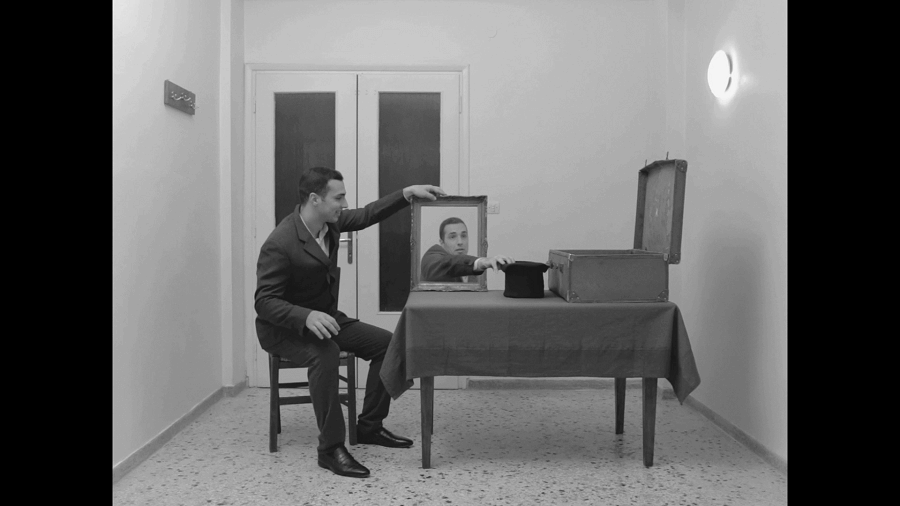
The main subject of this thesis is to analyze the special effects that George Melies used and invented, as well as the creation of a short film with special and visual effects, inspired by Melies’ work. This film has been implemented using modern techniques, aiming for an outcome that seems realistic but cannot actually happen in real life. All the techniques that have been used to create the film will be analyzed in depth.
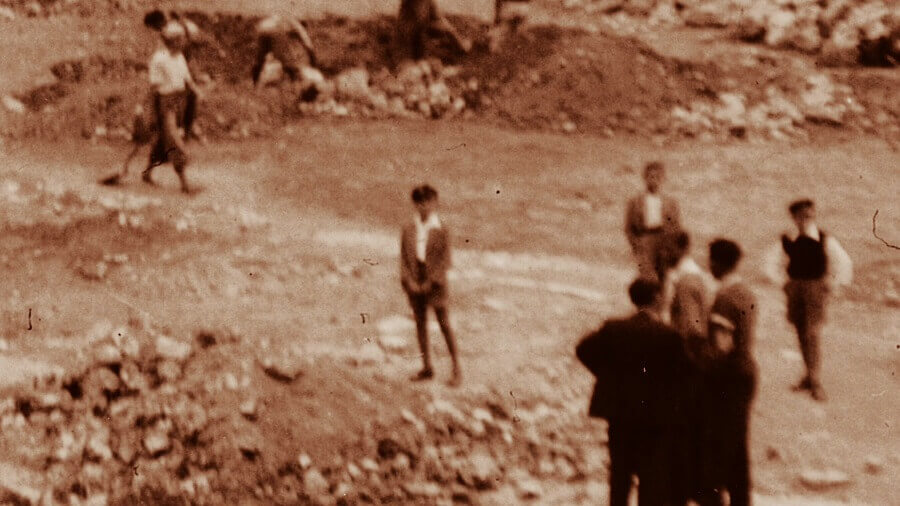
A documentary about Lazaretto, the desert islet near the city of Corfu that functioned for centuries as a quarantine station as well as a place of execution for political prisoners during the Greek Civil War. The identity of the place is approached through fragmentary testimonies and original sources.
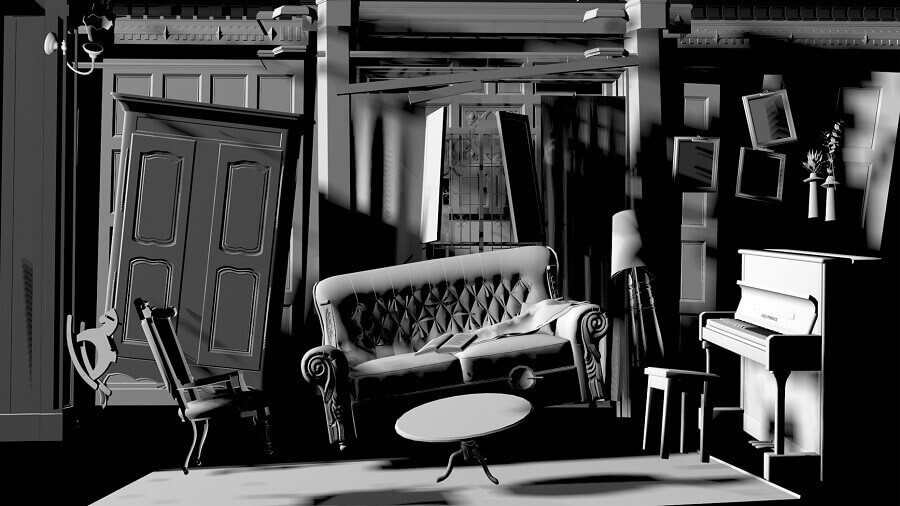
Where do memories go when they are lost? Are they still where we left them, if we don’t recall them? In this room, as private and irrevocable as our memory, objects animate a series of scenarios. A memory floods the room, another struggles to disclose itself, another one leaks back and forth in time. The idea of the ‘other’ hovers between what has already passed and what is reminisced every time. We never recollect events and spaces as such. We always enliven recollections in our own way. Through constant evocations that seek to perpetuate the existence of the ‘room’, memories converse with space and time, as well as with a part of ourselves. Either as past, forgetfulness or loss, they always contain something that is already gone.
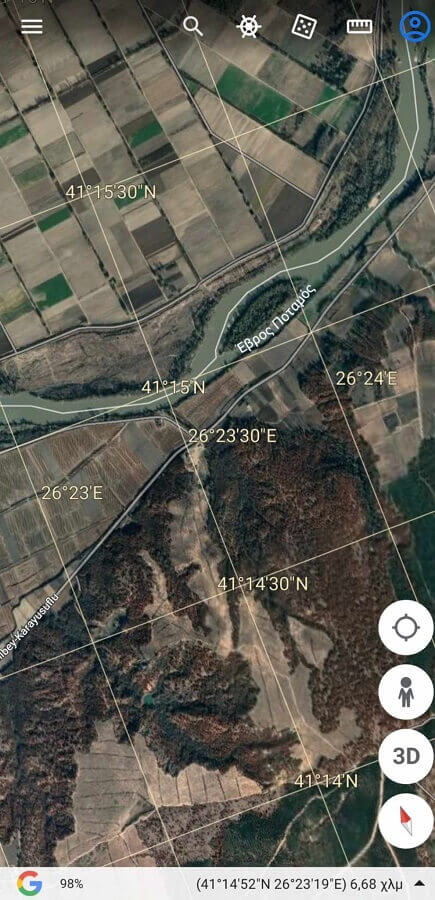
Paraphrase, reference of the title to the depression caused by the shocking images of drowned children in the Mediterranean, the watery grave of persecuted refuges.

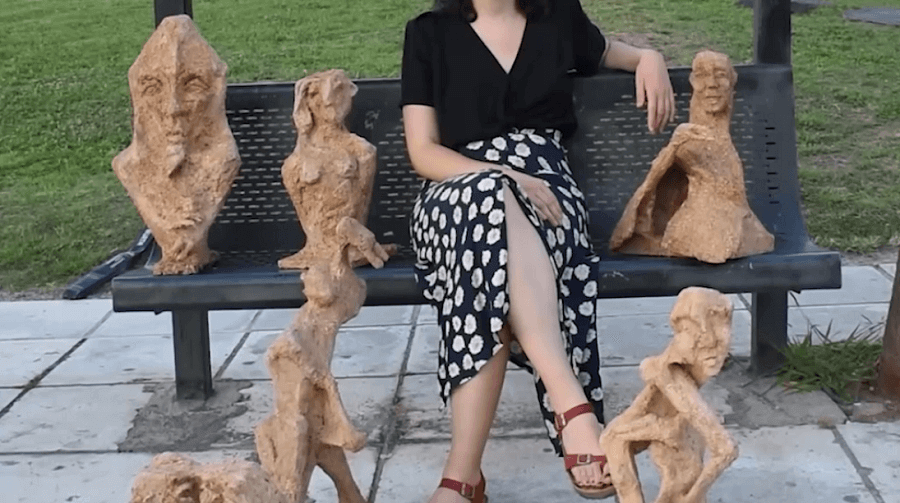
Α video art piece with performance and art installation elements in public space.
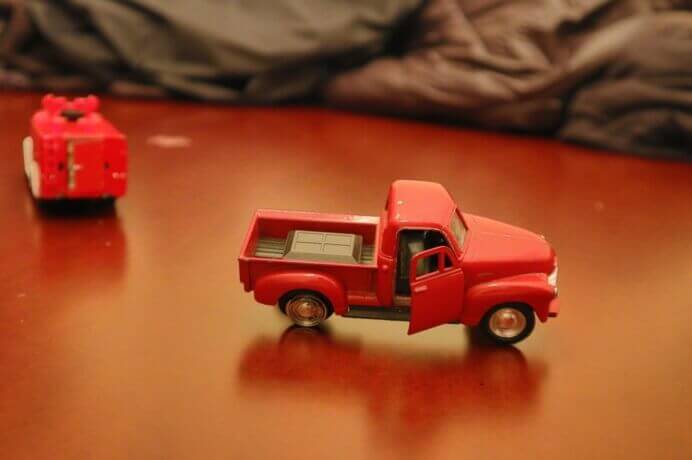
The Wroom, is a movie that start with two red iron cars, a 1953 Chevrolet 1100 & a 1954 Magirus Deutz small fire engine, spilling out of a race of skills, flips and drifts at speed in the dining room of their home. In a brightly room, in a world where imagination knows no bounds.
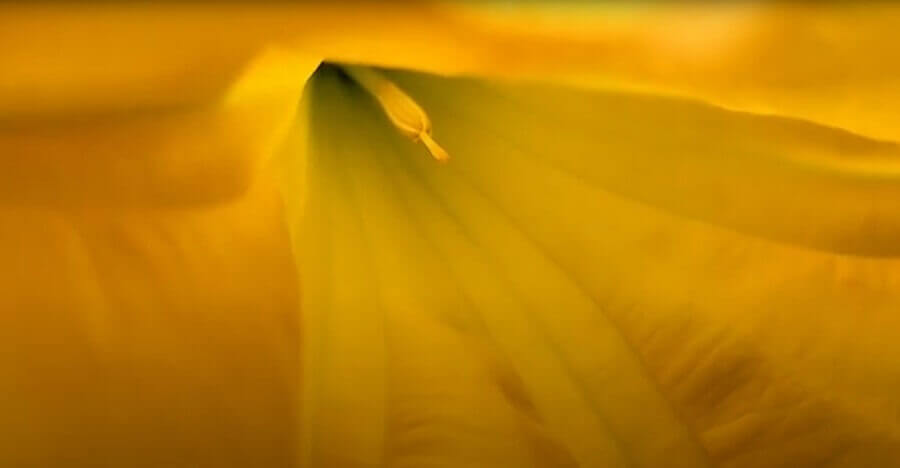
The project focuses on close-ups of flowers ας elements of the beauty of nature and the spiritual uplift created by the connection with it.
The current project is a digital, interactive, audiovisual application that can be used either as a virtual installation accompanied by a simultaneous projection of its content in the physical space or be distributed as an executable digital medium on any computer, compatible with its technical specifications. It examines the flow of information, its creation, collection, storage, interpretation and utilization through perceptual mechanisms that mutate -enhance or degrade- with the available tools of digital reality and its transformation from a sequence of serial, adjacent and referential values to one unified context, what is usually interpreted as meaning or significance. The participants of this reality are called upon to engage at the degree of signification that expresses them better, ranging from a purely perceptual and empirical viewing to a frantic clarification of everything included.