

Drifting
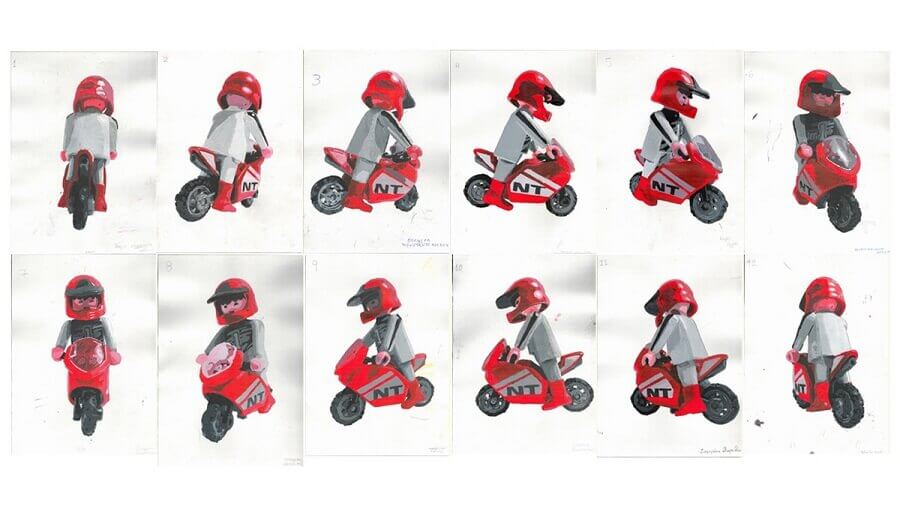
Social sensitization animation project on road safety. It emphasizes the use of a safety helmet when driving a motorcycle. The project was realized by the "Graffiti Animation Lab" (Applied Arts Sector/ 9th Vocational High School of Patras) with the participation of 13 adult students. It was produced with the team-work approach to learning and the implementation of conventional animation techniques.
Related Works
EX-SITU[existing situations] is an interactive installation that incorporates a computer, sound, and lighting technologies in which users/ viewers take part in the destruction of the painting by stepping on it. At the same time, a motion tracking system marks visitors and a light spot tracks them.
The content of EX SITU calls for awareness of social indifference, self-promotion, and their impact on society. The structure of EX SITU is intentionally ambiguous, revealing the obsession/fascination for the protection of material in contrast with the empathy for other people.
The interactive installation underlines the responsibility of individuals in society. The theoretical part analyses the Destruction in Art Symposium in 1966 and The bystander effect, or bystander apathy, in which individuals are less likely to offer help to a victim when other people are present.
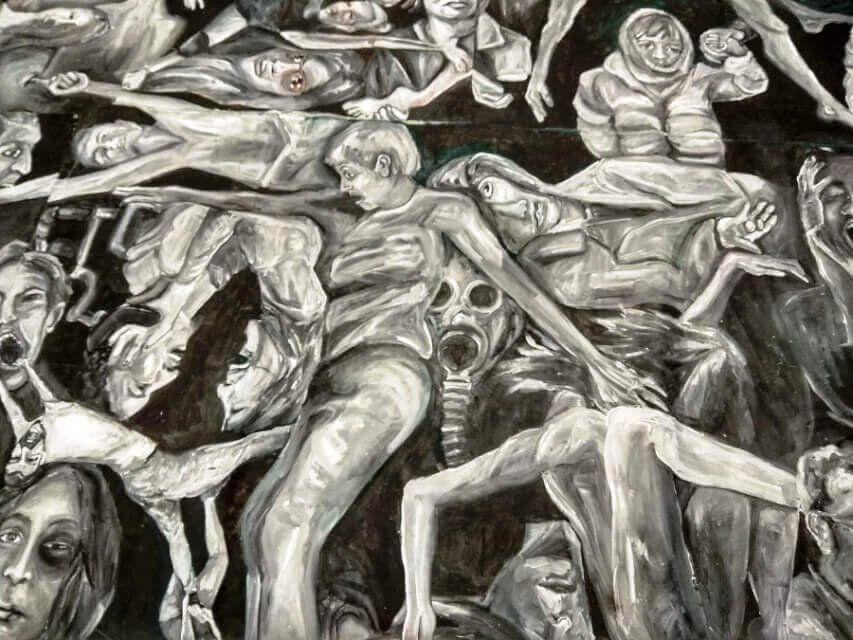
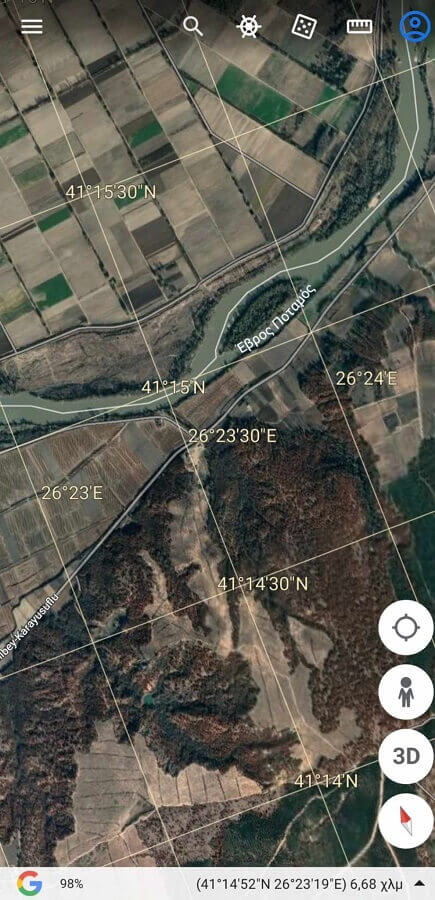
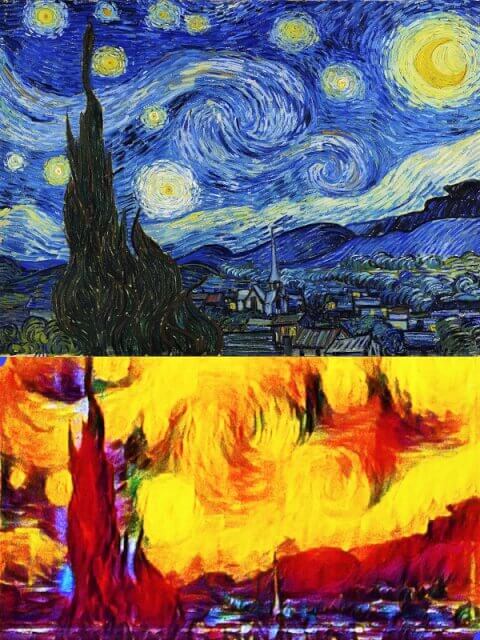
As Vincent van Gogh's "Starry Night" is one of my favorite paintings, I created an acoustic composition with the main goal of creating an atmosphere with a freer and more abstract approach. The small touches, the colors, the swirling flow, the natural landscape of the painting and the psychosynthesis of the artist are captured. The piece in combination with two images consists of three parts. In the first part, the night landscape is presented, in the second the intense emotions of the artist and in the third the nature with its power that calms the human soul.
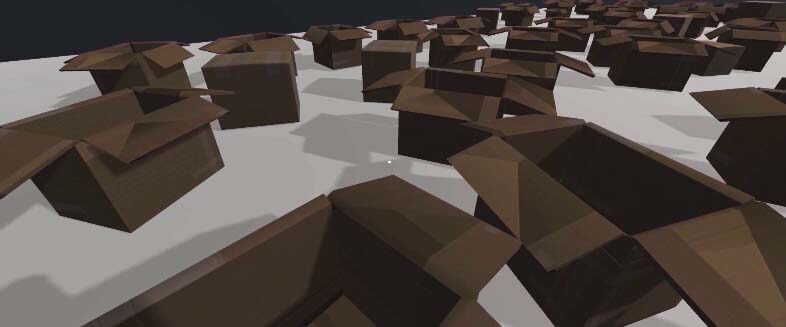
One week in ten minutes is a video in which the recording of unboxing, the act of opening the boxes, confronts the viewer with the repeated search in empty boxes that contain absolutely nothing. Each box is the promise of a gift which is to come, promising a gift whose dispatchment is always deferred.
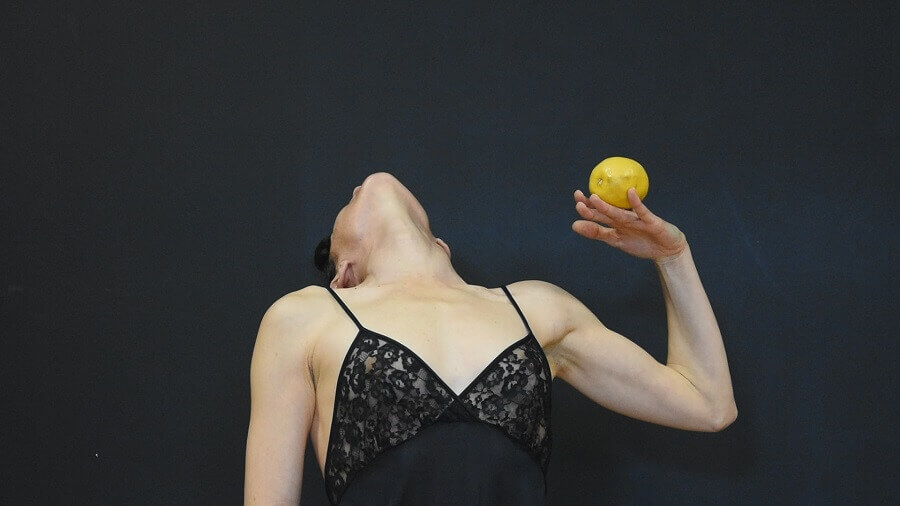
The short documentary focuses on the preparation of the solo performance "EVA", performed by the dancer and performer Evangelia Randou. The project is based on her personal experiences and has been created and staged by her. The film reveals the moments when the dancer works with her body, experiments, creates and improvises. The documentary is a portrait of the dancer herself, but also of the work she creates.
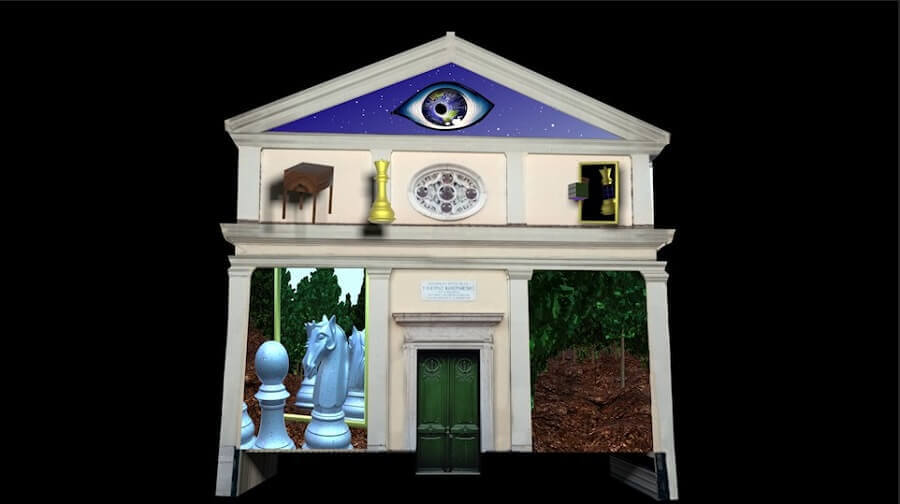
Presentation of 3d projection mapping, on Church of Panagia ton Xenon, Kyra - Faneromeni (Old Town, Corfu, Greece), October 2, 2020 at 10:00.
In the dissertation, following the strategy of deliberate ambiguity and crossing different eras, we go through a path of images and information, which express hope and fear in various fields and they characterize every culture and every society.
At the same time, moving from formalism to realism, it emerges that the Aristotelian definition of the representational unity of space-time-action is no longer valid in art. Undoubtedly, the formalist movement has shown that planes are understood not only as sequences of logical units, but also as theoretical or ideological conceptions, where their connection is not legitimized on the basis of the principle of space-time unit, but by some abstract theoretical model, such as is the model of metaphor, the path through contradictions, symbolism and anything else that enhances the removal of the theoretical model. But also internal realism, which is not a theory of truth, highlights the convergence of two seemingly incompatible ideas.
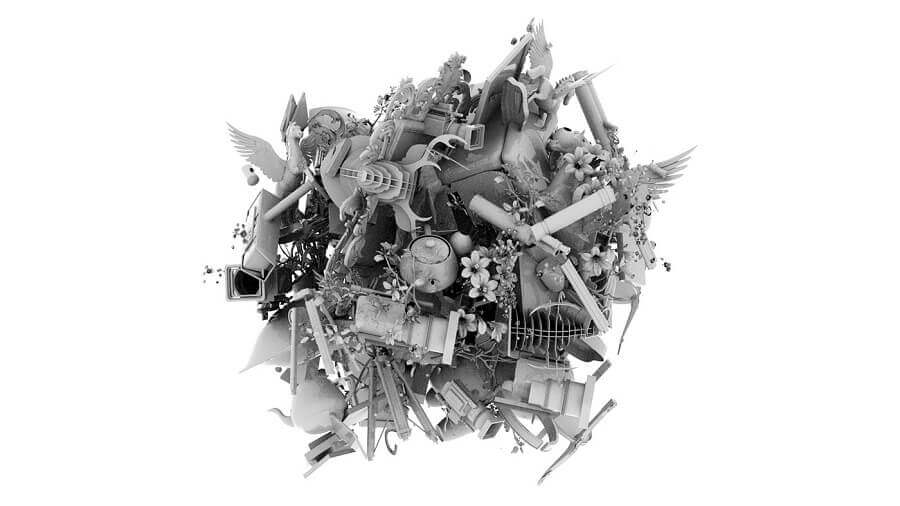
The project composes a series of random artifacts relating to art and design history, used either ας decorative or utilitarian artifacts, turning them into a non-definitive object [bouquet] floating in space.
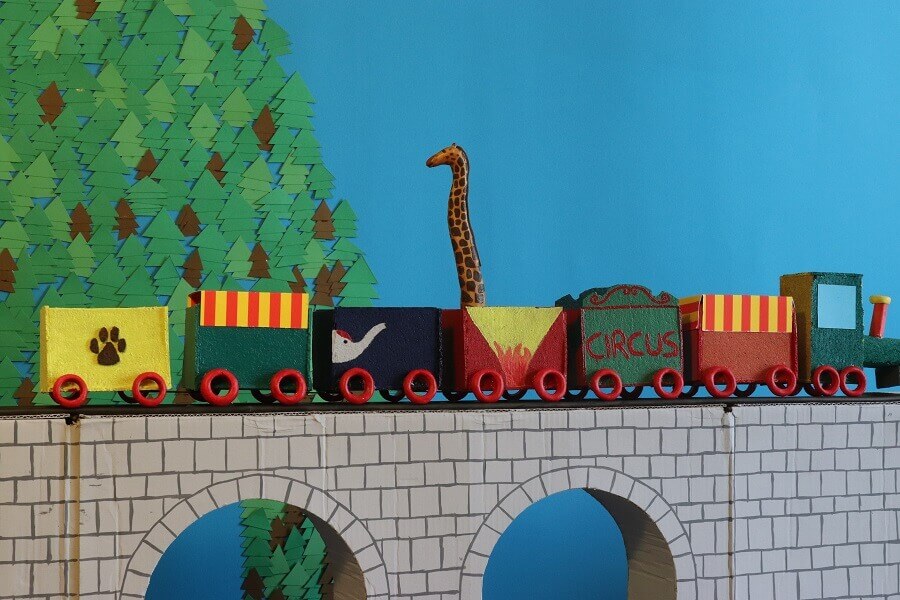
The project is the animation of the fairy tale "The chained elephant". "The Chained Elephant" is one of the stories of psychiatrist Jorge Bukay from his book "Let me tell you a story" which he tells to his client. It refers to a child' s question who notices that a huge circus elephant remains tied to a small stick without trying to free itself and without protesting. The circus elephant remained tied to his tiny stick because "the memory of the weakness he felt shortly after his birth is etched in his memory."
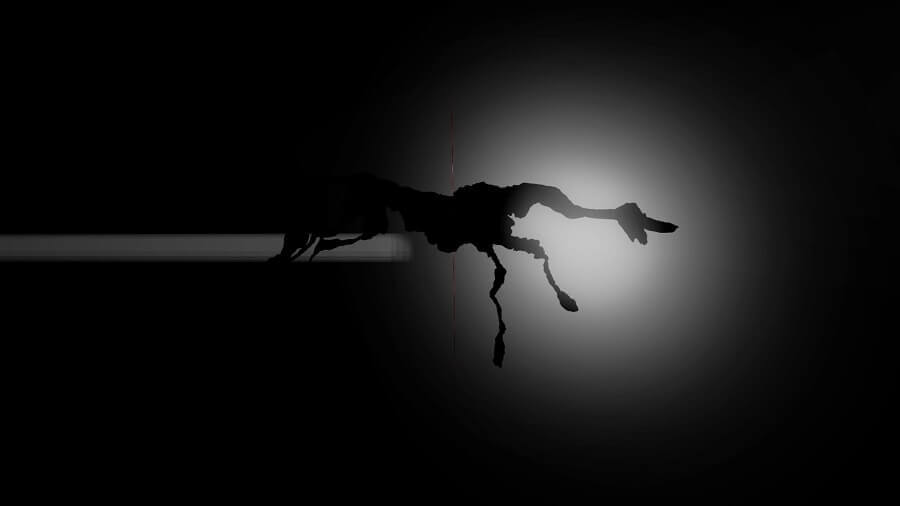
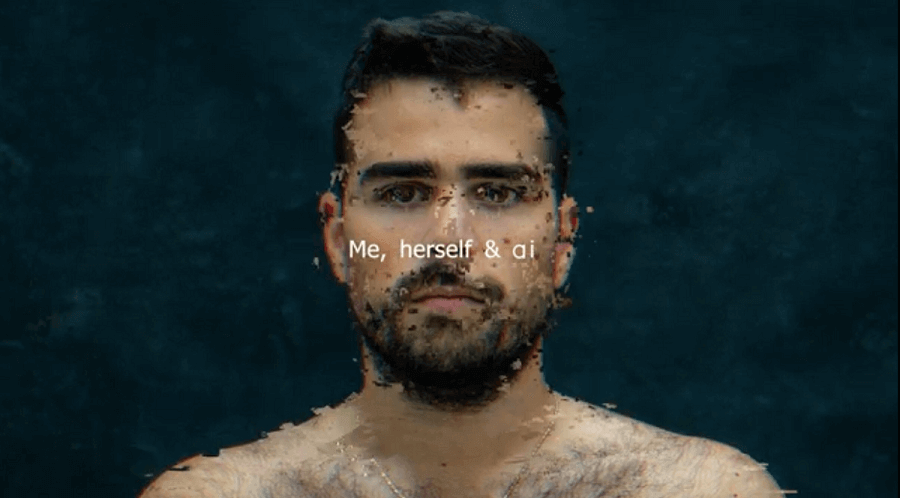
Mirror project that interacts with "Me myself & ai" by Sofi Moutafi. The creation of this work results from the collaboration of man and machine, which places it at the intersection of these two great sets.