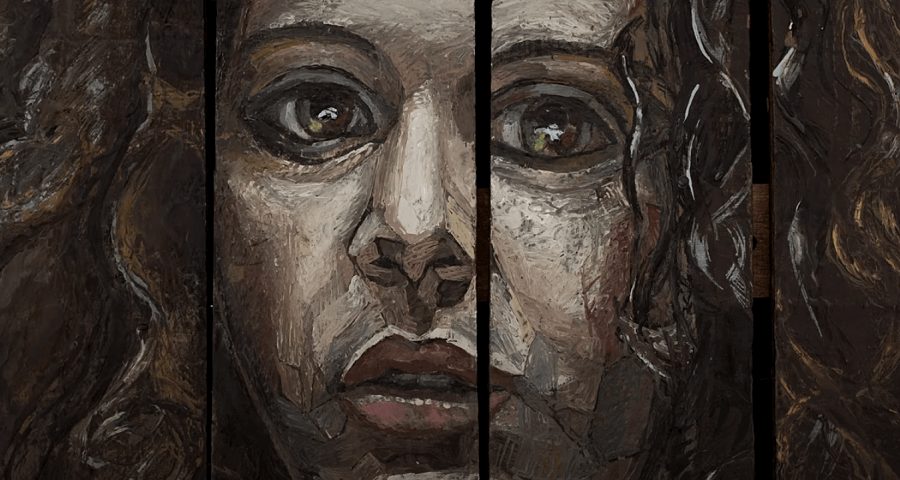


The portrait of my mother
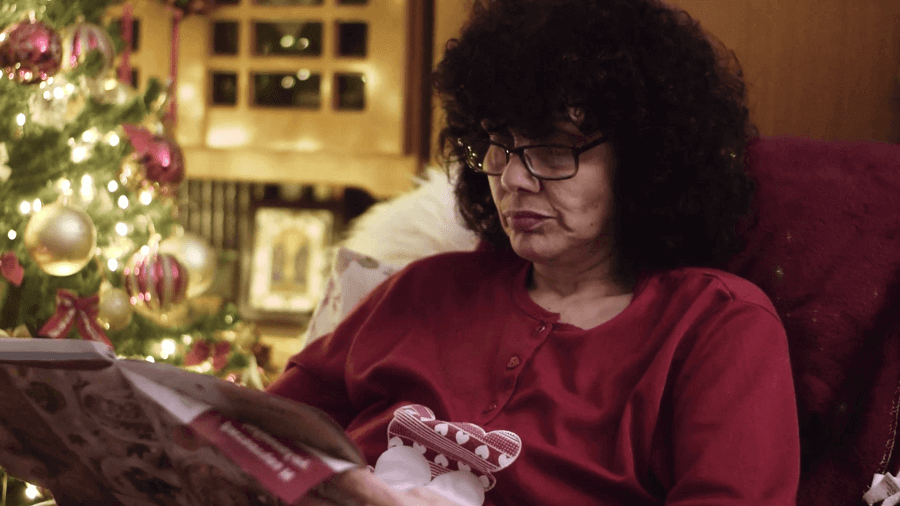
A day in my mother's life. The documentary shows her daily routine, something that I personally find very interesting as I believe that the true self of a person lies in the "insignificant".
Related Works
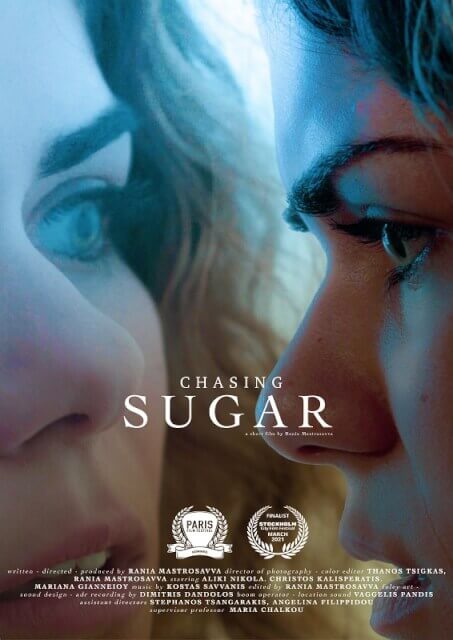
Zoe is a 25 year-old student, living in Corfu island, Greece with her only friend and roommate Anne. Waking up late an afternoon Zoe realises that her friend is missing and she goes out at night alone in search of her. The strangely empty and quiet town, a series of bizzare events and the sense that she's been followed gives her the realization that something strange is going on and her eager to find her friend grows stronger.
At that time she comes across a dark human figure that wants to capture her. Trying to escape, Zoe ends up in a white room with nothing but a mirror inside.
As she walks closer to the mirror she sees that someone is trapped inside a room. Thinking that it's her friend Anne she reaches and goes through the mirror into that other room.
As she sits down next to the other person, thinking that she is Anne, she realizes it's her own self. In a desperate and decisive moment she tries to save her double, only to realize that her double can not cross to the other side of the mirror. Realizing that there's no way out the double lets go of Zoes hand.
Zoe wakes up in her room in the morning, gets dressed and goes for a walk by the sea in the now fully alive and noisy town. As she stands and stares at the waves she meets a girl named Anne sitting nearby. After the two girls meet they sit by the sea talking.
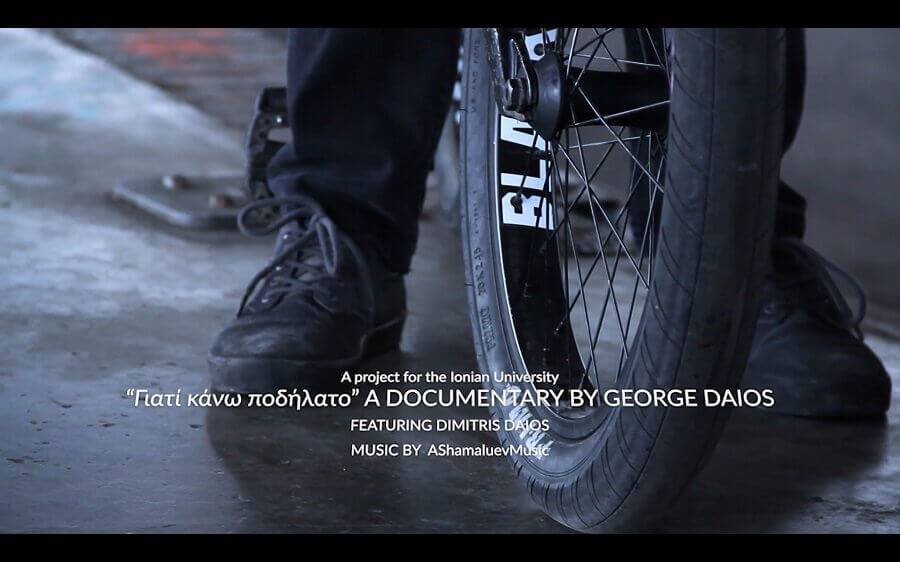
A young bicycle rider explains why he wants to spend so much time with this sport: The hard and great times that bike gives him.
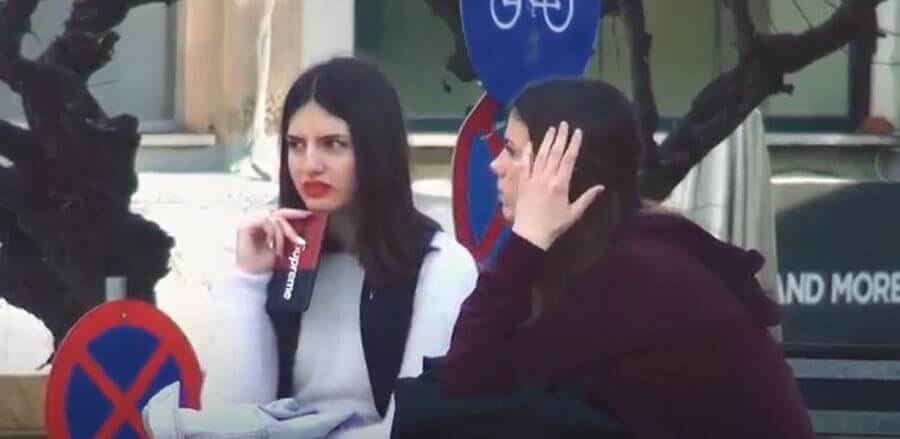
Observational documentary: People and daily life in the city of Corfu before covid 19.
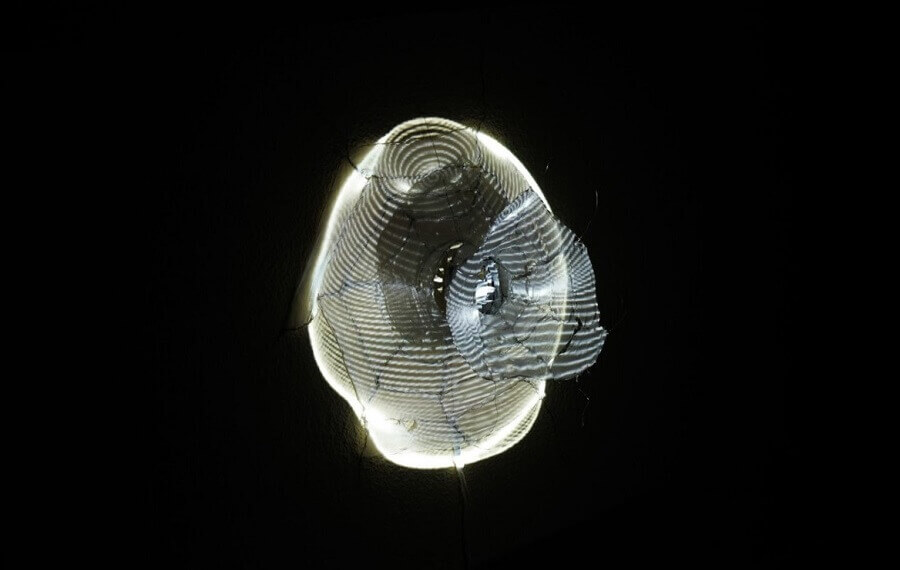
Blah as an artwork that interacts with the phenomenon of the speaking subject. The artwork responds to the human voice with air, and the intensity of the air is proportional to the volume of the voice.
Borrowing immersive practices from physical theater and the Black Box framework, the project seeks to create a liberating condition where visitors have the opportunity to experiment with their voice outside the system of organized language.
Blah is the artistic part of my master thesis on the problematic behind the three dimensions of organized language: communication-expression-meaning.
1x1x0.4
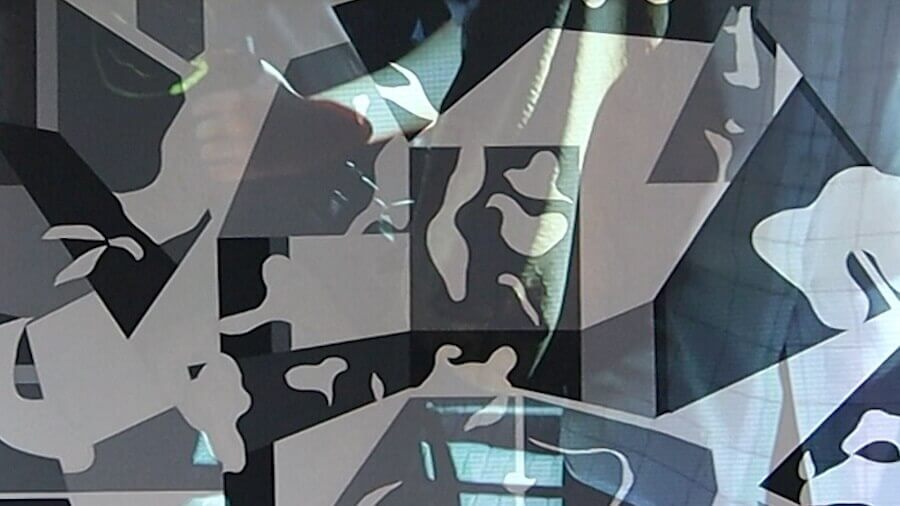
The video is a documentation of a spatial installation with a dual role, through viewing / observation and participation. The investigation of the relationship that develops between digital and real space, acting in it, as the main axis of the narrative, the human being is the framework of the research with object of study the concept of metaphor to the coexistence of experience as a narrative and of the experience of the present as a fact of performance. The real environment through recording projected into an analog painting and transferred to a digital environment (images-video- video projection) connecting the real, the digital and painting form. Respectively, the natural environment of the installation transferred to the projection surface, in a digital space, via the camera and projector.
This documentary is about my grandmother, Areti. I have her name. She is a very simple and sweet person. She always wants to take care of and feed us.

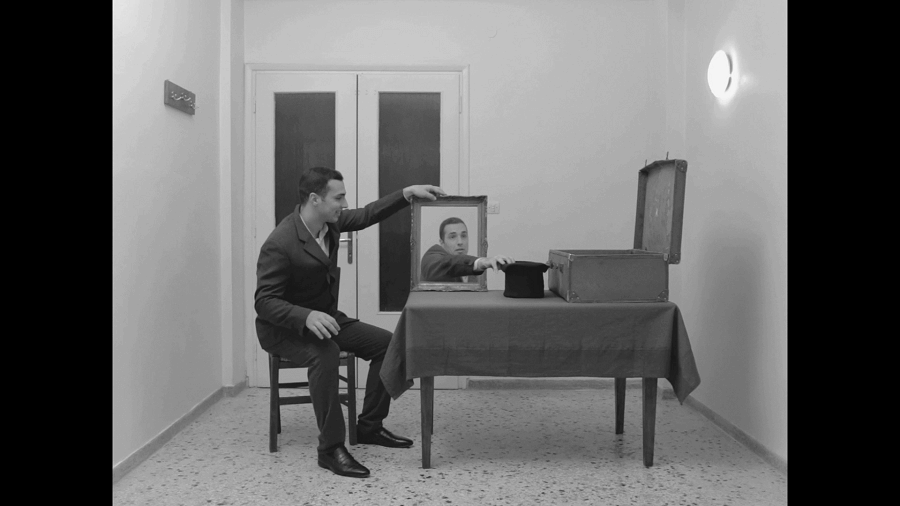
The main subject of this thesis is to analyze the special effects that George Melies used and invented, as well as the creation of a short film with special and visual effects, inspired by Melies’ work. This film has been implemented using modern techniques, aiming for an outcome that seems realistic but cannot actually happen in real life. All the techniques that have been used to create the film will be analyzed in depth.
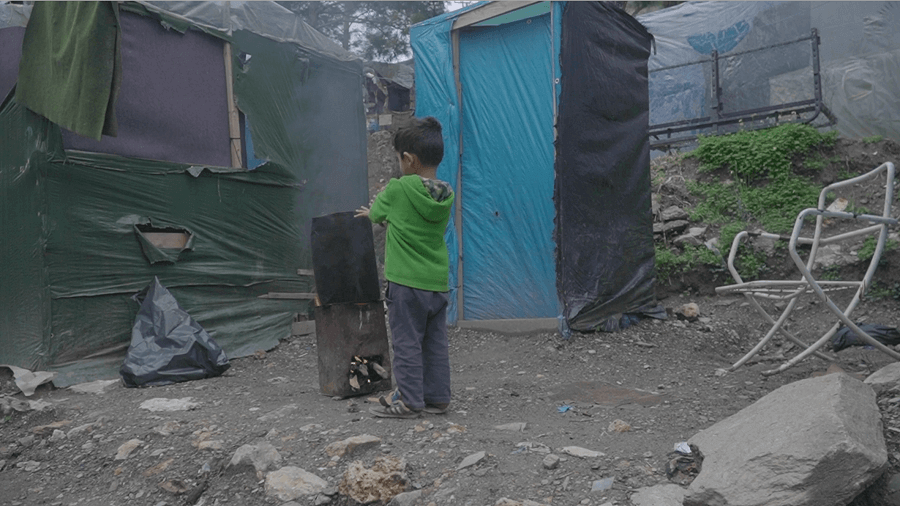
A short documentary about the living conditions in the refugee camp of Samos island. Ιt records fragments of the children's daily lives and the personal effort of an Afghan resident of the camp, while he is teaching english to other members of his community.
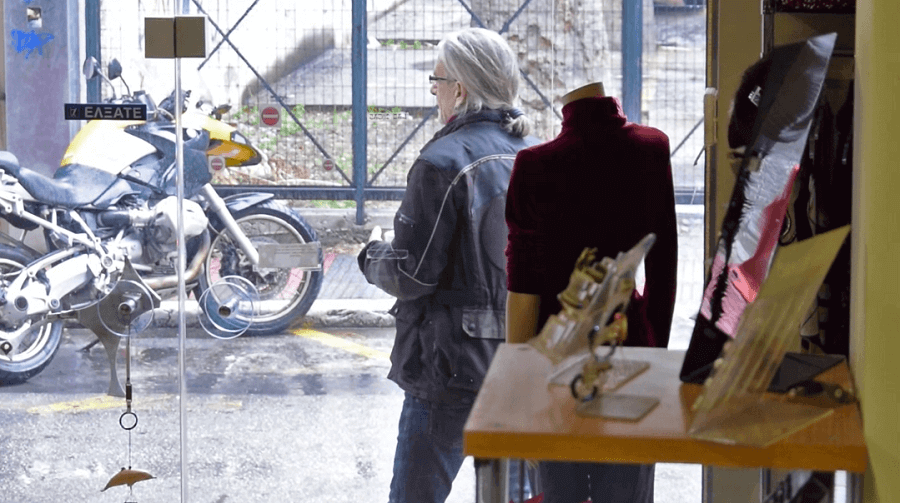
Everyday life through the eyes of Vassilis, an energetic and open-minded, aging man.
Artist Paris Chatzigiannis, in his studio, talks about his life with painting.