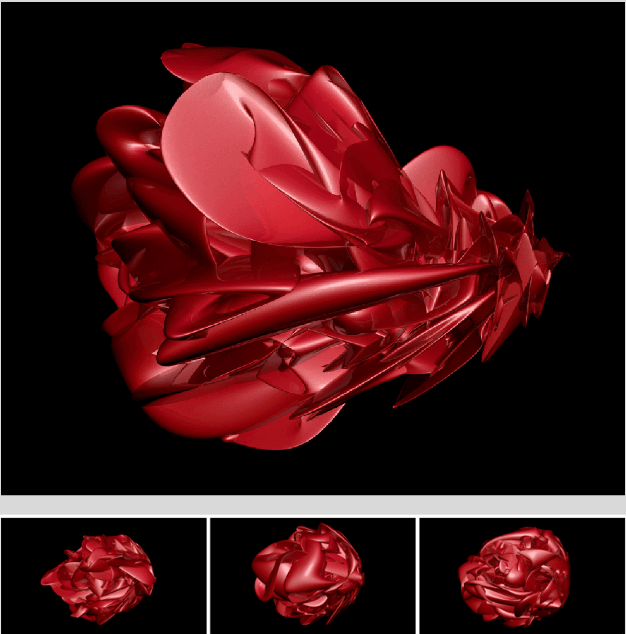

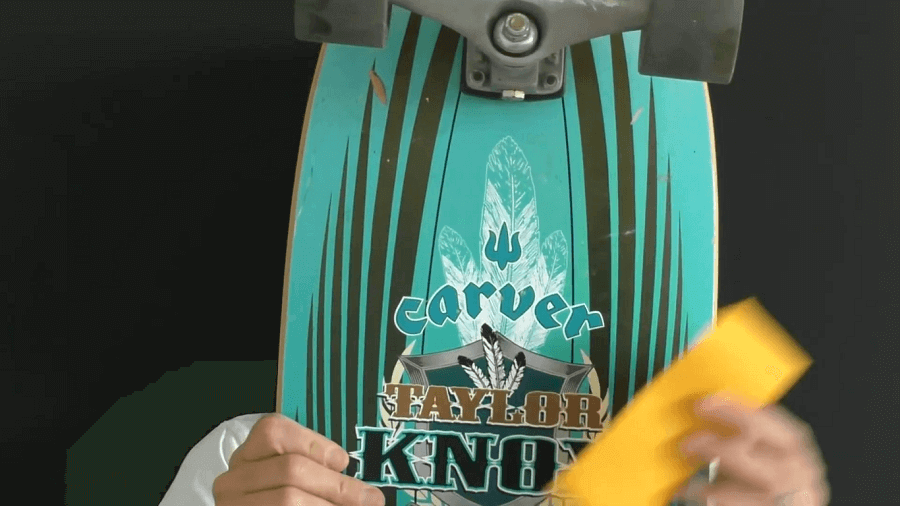
become

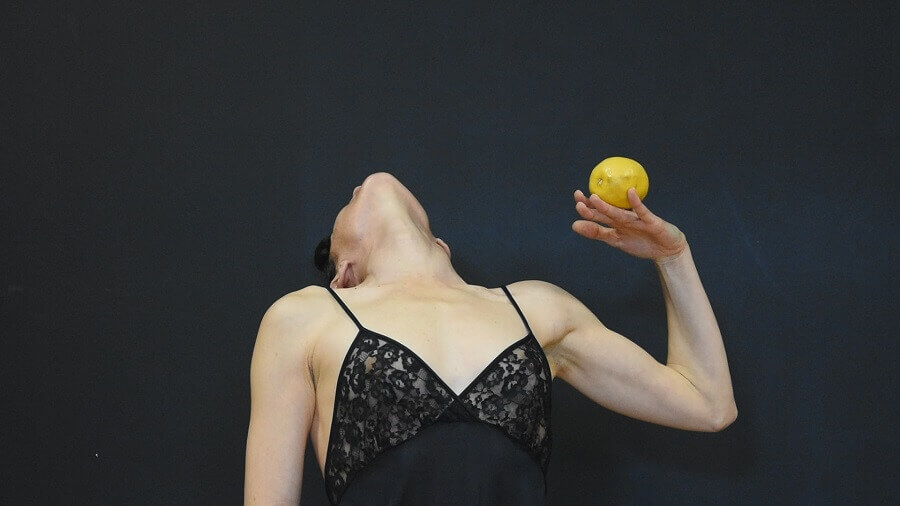
In this video art work 39 persons of different ages are invited to sit in front of the same black door, talk about their favourite object and in what, by using this object, they could be transformed. In the final cut only the silent expressions are kept.
Related Works
The compositional method is based on the incorporation of sound material of cultural background into an electroacoustic piece. By drawing a linear narration, my aim was to demonstrate a unity, an imaginary community, which characterizes the Romani culture, despite the hybridic, complicated and diverse traditions deriving from the various European and Asian countries its people live in. A central question behind the making of this piece is what kind of role can a civilization have today, when the concept of space is eliminated by time- a key element in the dynamics of capitalism. What are the cultural consequences of the so-called annihilation of time and space, as materialized and tangible dimensions of social life? Are historical tradition and the search for roots promoted and reorganized as simulacra, imitations or/and museum culture, thourgh the demonstration of a partly deceptive past?
The title of this artwork is "Where Do I Exist?". This is a virtual space that explores the relationship between reality and virtual reality. Moreover, it the result of a pandemic society that tends to communicate through social media. It is the impression of our lifes into a virtual world, free from our body and the stereotypes it might follows it. Could we be free from our body and ideas such as gender identity and death? What is the meaning of touch into an immaterial world? Anyone can be part of this artwork with a twitter hashtag of the word #immaterial.
Aynadamar: An important place as far back as when the Arabs were in the area. The whole region of Andalusia was supplied with water through that spring, reaching as far as Madrid. Several years later, the poet and playwright Federico Garcia Lorca is taken there to be executed. His work in turn supplied the whole Spain and spread to the rest of the world. The documentary intertwines significant events of his life with dramatised excerpts from his work, aiming at achieving Duende (as Lorca used to say), the quintessence of all things.
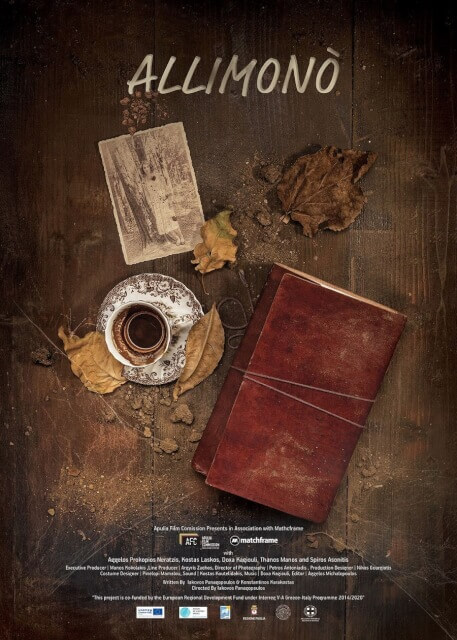
The fulfillment of a last wish leads Filippo to a retrospection from the mountains of Epirus to the recent past of the year 1945. His meeting with his history revives the memory of a whole village, unfolding the relations and the bonding of two peoples against the commands of an era, which is not as far as we think.
Τhis piece refers to a suffocating relationship between a father and a son. This oppressive relationship is expressed by the father’s obsessive calls to the son to come and eat his food warm. The son lives in an imperative rhythm of breakfast/lunch/dinner with few getaways because his father never stops calling him, while having a piercing voice. The father lives in a rhythm of constant orthostatic food production. A very elastic son, a very rigid father. A piece of wood, also rigid, who attracts the son. She had been washed by the sea. The highest boiling temperature is at sea-level. Splashing and seething became one. Apnea and immersion in his father’s pot, which is the symbol of his influence, eventually are leading to his release. He tightened so tight on her that for the first time he was stabilised. They were swept away from the waves and while floating they turned into furniture.
Where do memories go when they are lost? Are they still where we left them, if we don’t recall them? In this room, as private and irrevocable as our memory, objects animate a series of scenarios. A memory floods the room, another struggles to disclose itself, another one leaks back and forth in time. The idea of the ‘other’ hovers between what has already passed and what is reminisced every time. We never recollect events and spaces as such. We always enliven recollections in our own way. Through constant evocations that seek to perpetuate the existence of the ‘room’, memories converse with space and time, as well as with a part of ourselves. Either as past, forgetfulness or loss, they always contain something that is already gone.
This is a Iove story between a female statue and a man. It is about the pious desires of people ας they apply them to the interpersonal relationships they develop.
It’s Monday, the 13th of December 1943, the small town of Kalavryta is set on fire by the occupation army of Nazi Germany while the entire male population is being gathered on a nearby hill and shot dead. This war crime will go down in history, along with the massacre of Acqui Division, as the largest mass killing in Greece during WWII. Three men who witnessed these events as kids, locked up with the rest women, children and elderly people in Kalavryta’s primary school, recall this traumatic experience.
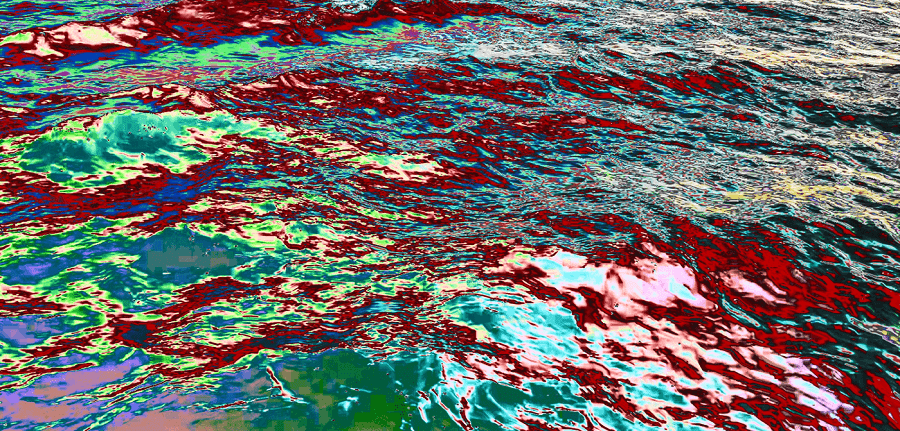
"Dharmadhatu" is an experimental audiovisual video with linear narrative. It has been created with an original experimental technique, where each frame results from a live recording of the behavior of flowing colors on a painted surface.