

"ano” + "throsko”
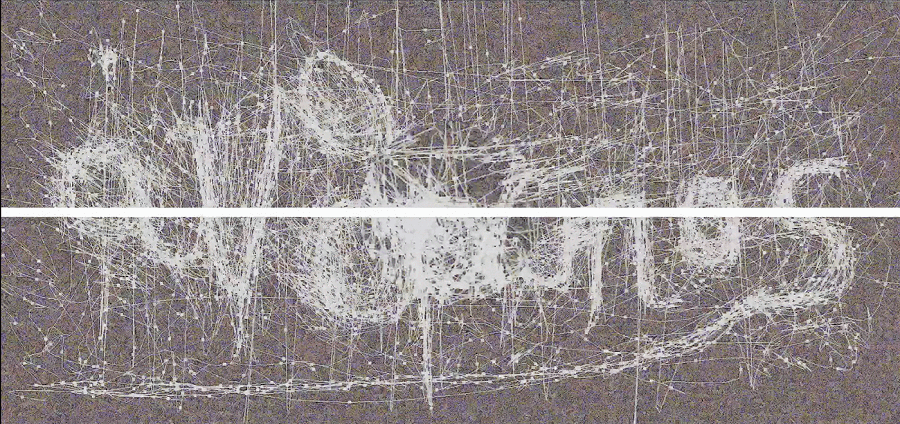
The Video was made on the theme of the AVARTS group installation within the framework of the PLATFORMS International Exhibition. It is a work of digital design in real time that in its evolution displays the Word human, relationship coupling, thoughts and feelings..
Related Works
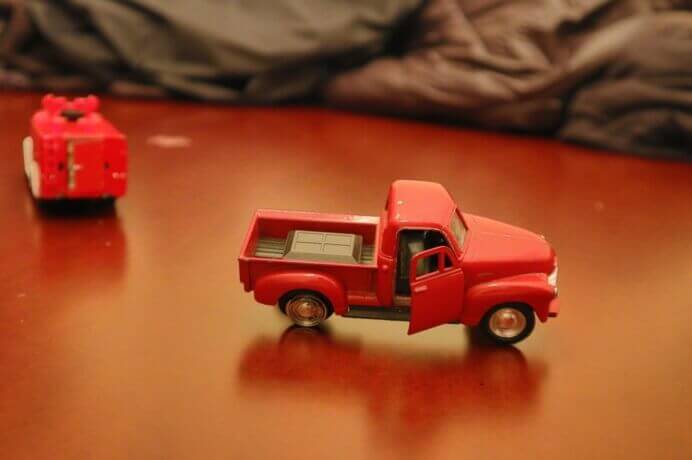
The Wroom, is a movie that start with two red iron cars, a 1953 Chevrolet 1100 & a 1954 Magirus Deutz small fire engine, spilling out of a race of skills, flips and drifts at speed in the dining room of their home. In a brightly room, in a world where imagination knows no bounds.
Blah as an artwork that interacts with the phenomenon of the speaking subject. The artwork responds to the human voice with air, and the intensity of the air is proportional to the volume of the voice.
Borrowing immersive practices from physical theater and the Black Box framework, the project seeks to create a liberating condition where visitors have the opportunity to experiment with their voice outside the system of organized language.
Blah is the artistic part of my master thesis on the problematic behind the three dimensions of organized language: communication-expression-meaning.
1x1x0.4
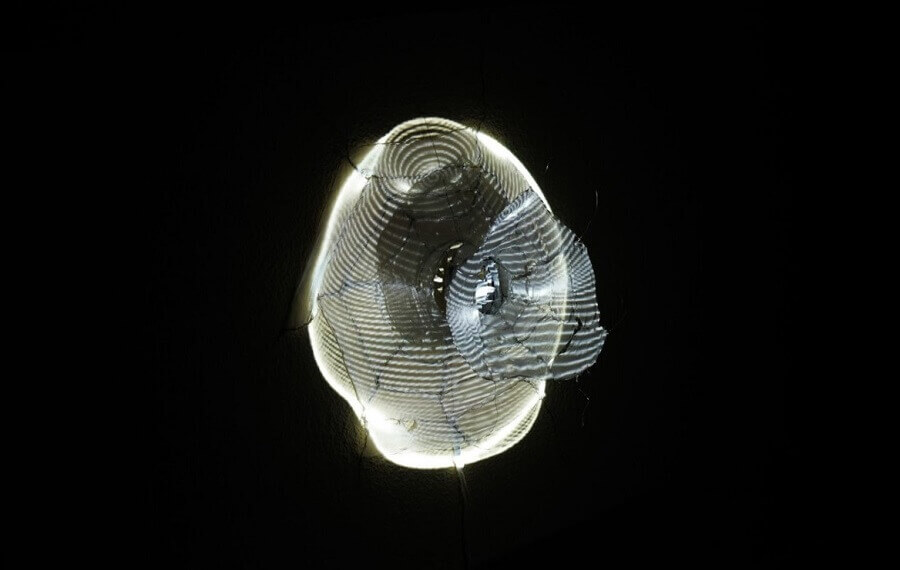
Τhis piece refers to a suffocating relationship between a father and a son. This oppressive relationship is expressed by the father’s obsessive calls to the son to come and eat his food warm. The son lives in an imperative rhythm of breakfast/lunch/dinner with few getaways because his father never stops calling him, while having a piercing voice. The father lives in a rhythm of constant orthostatic food production. A very elastic son, a very rigid father. A piece of wood, also rigid, who attracts the son. She had been washed by the sea. The highest boiling temperature is at sea-level. Splashing and seething became one. Apnea and immersion in his father’s pot, which is the symbol of his influence, eventually are leading to his release. He tightened so tight on her that for the first time he was stabilised. They were swept away from the waves and while floating they turned into furniture.
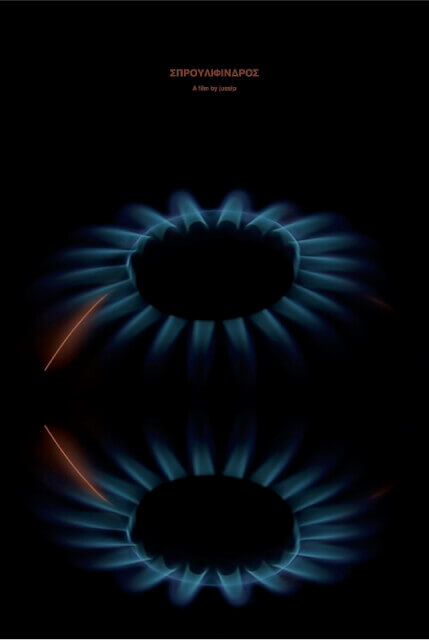
When the observer is standing in front of a work of art and is trying to comprehend it, they are consciously entering a recognition process. This is achieved because the brain recognizes the relationship between some shapes or colors in the piece of art and, automatically, recalls them from memory. This procedure creates the necessary conditions for the creation of new neural synapses. Using these facts?, the artist suggests an audiovisual performance that includes an interference of audio to the visual aspect? in real time.
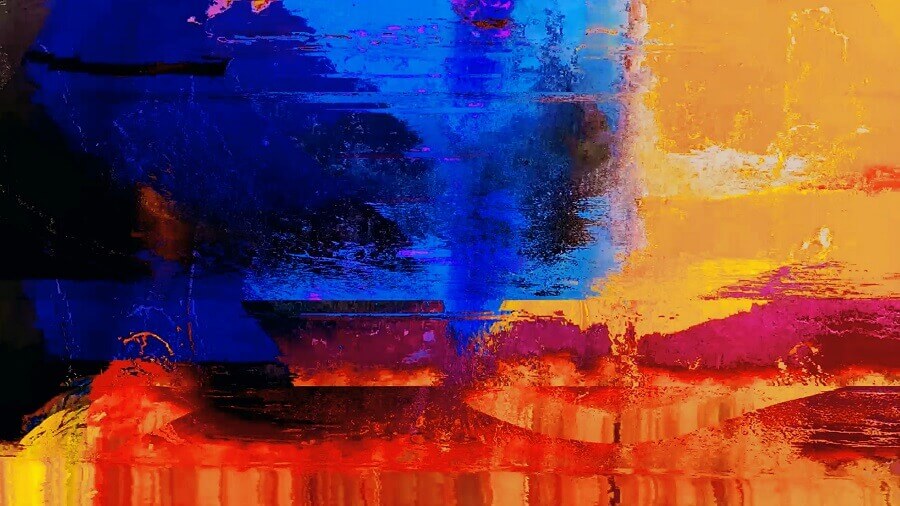
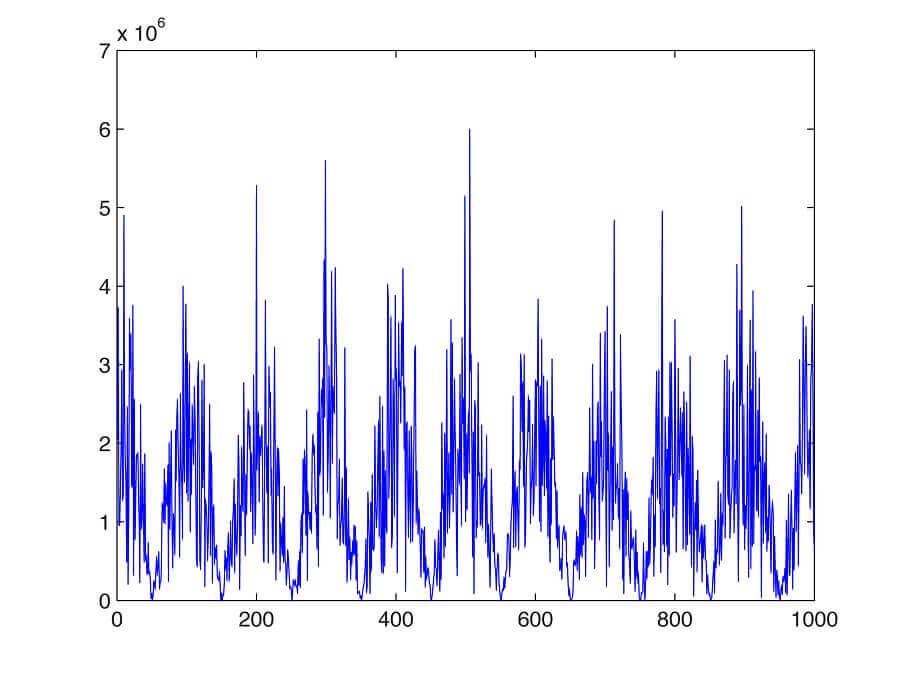
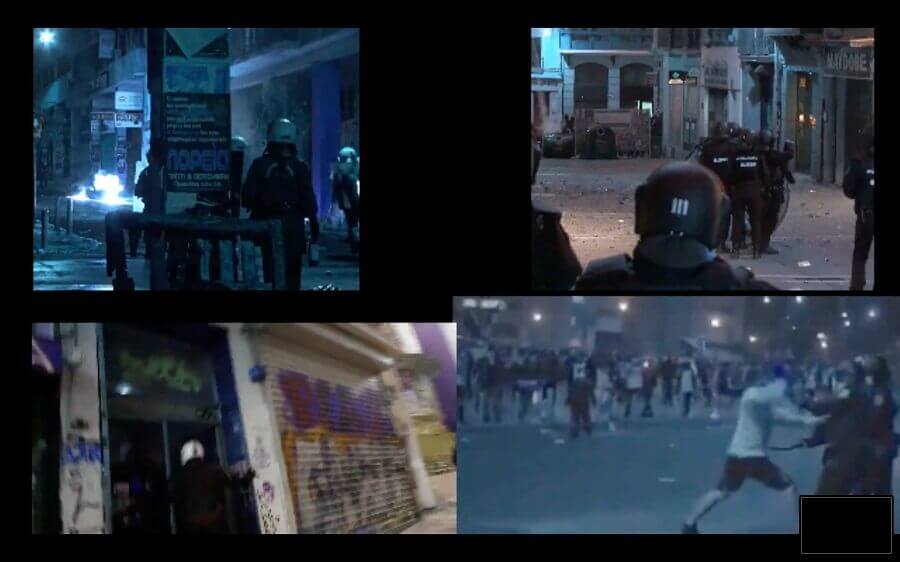
This is the first video of my audiovisual installation entitled "Riot Strike Riot". The audiovisual installation entitled "Riot Strike Riot" is based on the political repression and social disorders of recent years with a focus on Greece, but also with influences from abroad. The installation has presented from a subjective point of view, the socio-political image of today through audiovisual digital media, interactive systems, and objects.
The present postgraduate thesis was prepared in the context of the completion of the postgraduate program of the Department of Sound and Visual Arts of the Ionian University.
The study of the subject will be the facts and data on the occasion of the completion of 200 years since the Greek Revolution.
The present work aims to enrich the theoretical framework of study. Its structure is based on data that I have collected (rare photographic material, letters, etc.), from the Public Archives of the State, the Kapodistrias Museum and the Reading Company.
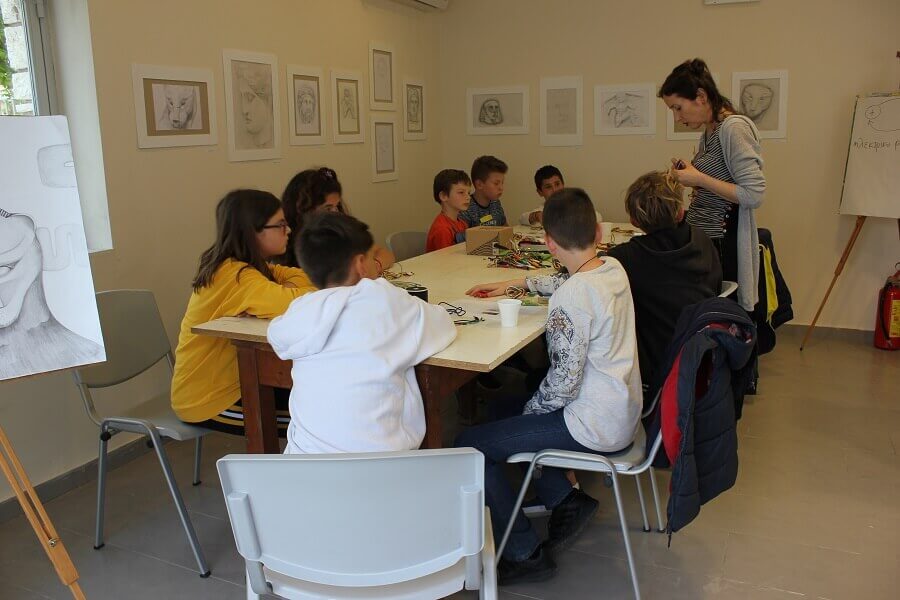
An experimental workshop was realized at the Corfu Archaeological Museum, on May 2019. The workshop was designed within the frames of interdisciplinary learning and participatory art, based on Maker culture and STEAM education, willing to highlight the importance of arts and technology in learning. The participants, children and adolescents 11 to 15 years old, were initially guided to an important archaic find at the Archaeological museum of Corfu, a pediment depicting ancient Greek goddess Artemis-Gorgo, and got acquainted with the myth surrounding it. In two groups the participants made
1. electronic circuits which produced sounds via photo resistor and conductive paint and
2. conductive drawings inspired by the archaic pediment imagery.
The two groups combined their work to create interactive installations were circuits and sensors were used to “read” the tonal variations and line elements of the pencil drawings. Documentation indicates the childrens’ immersion into the experience.