

Intersecting Worlds
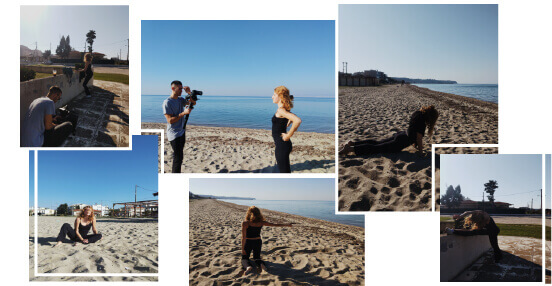
Creation of a group installation entitled Intersecting Worlds. The installation raises questions about the diversity and dynamics of the digital world, the limits and possibilities of technology and how it interacts and transforms contemporary life, creating new stimuli and a new way of looking at everyday life.
Participation in the annual exhibition Platforms Projects - Independent Art Fair 2023, October 26-29 2023, Athens.
Related Works
This thesis is about the production, direction and animation οf a contemporary dance music video lasting four (4) minutes. Its title is "OBLIVION: Music video using the Rotoscoping technique". Its subject is the loss of a great summer love and the pain that comes when this love is over. Its goal for all of its elements be to harmoniously joined together i. e. the dance, the surroundings, the colors, the music and the animation so as to make the viewer feel nostalgic and melancholic.
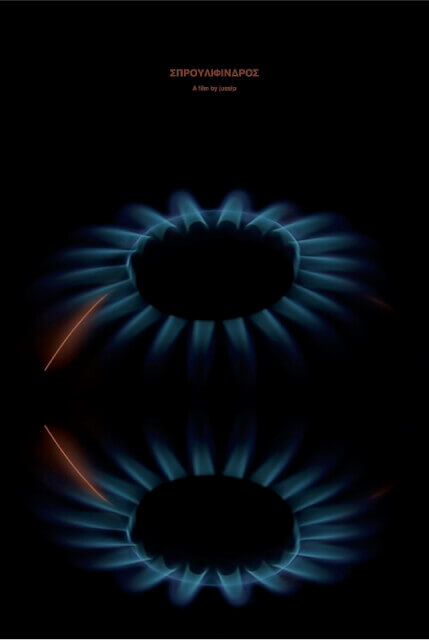
Τhis piece refers to a suffocating relationship between a father and a son. This oppressive relationship is expressed by the father’s obsessive calls to the son to come and eat his food warm. The son lives in an imperative rhythm of breakfast/lunch/dinner with few getaways because his father never stops calling him, while having a piercing voice. The father lives in a rhythm of constant orthostatic food production. A very elastic son, a very rigid father. A piece of wood, also rigid, who attracts the son. She had been washed by the sea. The highest boiling temperature is at sea-level. Splashing and seething became one. Apnea and immersion in his father’s pot, which is the symbol of his influence, eventually are leading to his release. He tightened so tight on her that for the first time he was stabilised. They were swept away from the waves and while floating they turned into furniture.
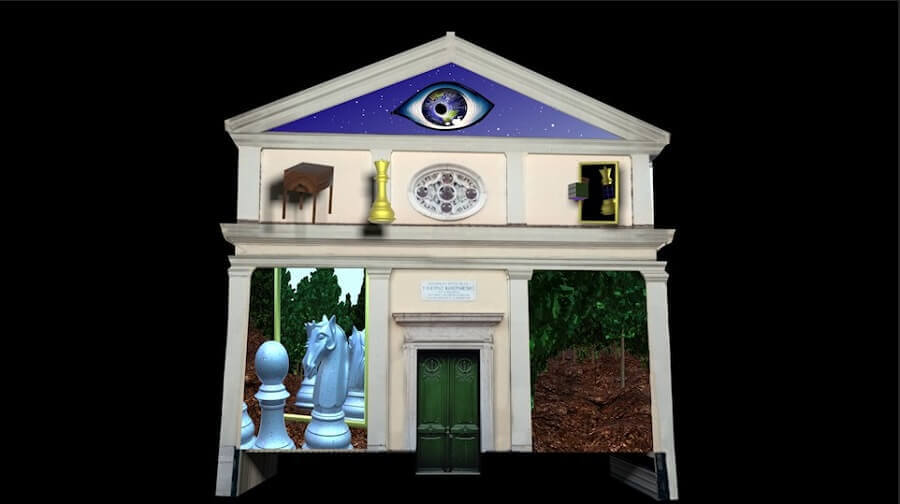
Presentation of 3d projection mapping, on Church of Panagia ton Xenon, Kyra - Faneromeni (Old Town, Corfu, Greece), October 2, 2020 at 10:00.
In the dissertation, following the strategy of deliberate ambiguity and crossing different eras, we go through a path of images and information, which express hope and fear in various fields and they characterize every culture and every society.
At the same time, moving from formalism to realism, it emerges that the Aristotelian definition of the representational unity of space-time-action is no longer valid in art. Undoubtedly, the formalist movement has shown that planes are understood not only as sequences of logical units, but also as theoretical or ideological conceptions, where their connection is not legitimized on the basis of the principle of space-time unit, but by some abstract theoretical model, such as is the model of metaphor, the path through contradictions, symbolism and anything else that enhances the removal of the theoretical model. But also internal realism, which is not a theory of truth, highlights the convergence of two seemingly incompatible ideas.
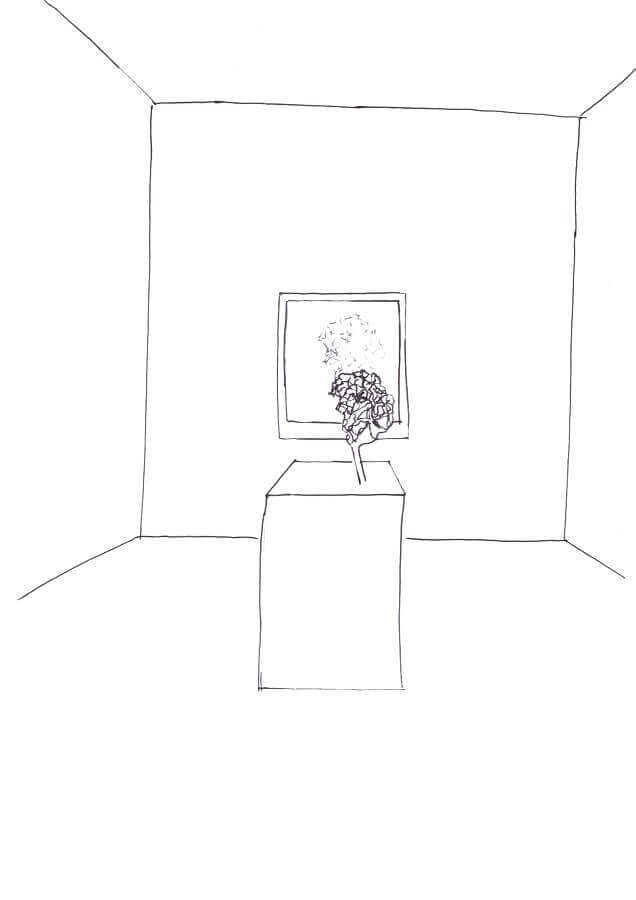
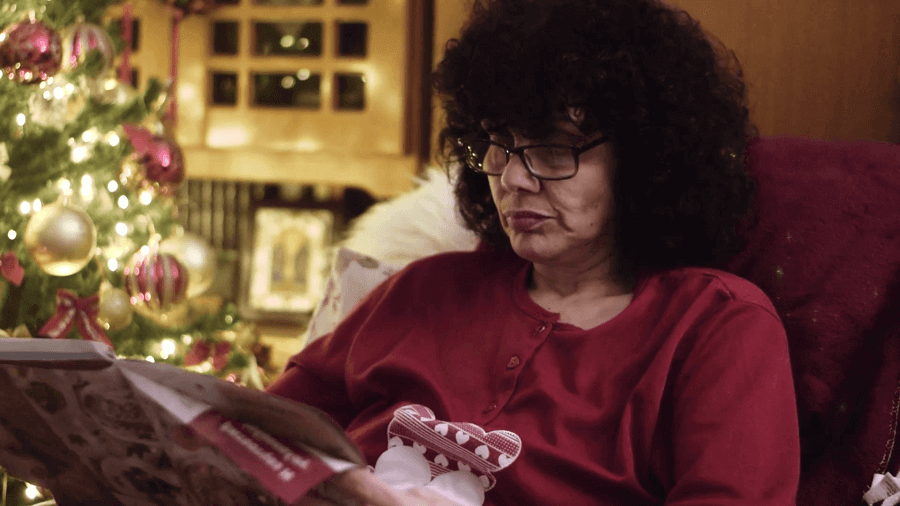
A day in my mother's life. The documentary shows her daily routine, something that I personally find very interesting as I believe that the true self of a person lies in the "insignificant".
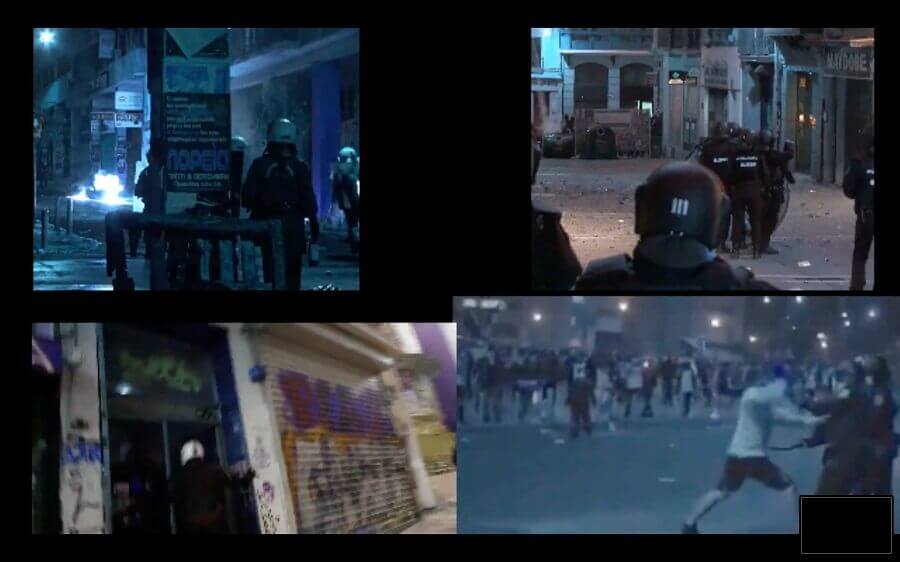
This is the first video of my audiovisual installation entitled "Riot Strike Riot". The audiovisual installation entitled "Riot Strike Riot" is based on the political repression and social disorders of recent years with a focus on Greece, but also with influences from abroad. The installation has presented from a subjective point of view, the socio-political image of today through audiovisual digital media, interactive systems, and objects.
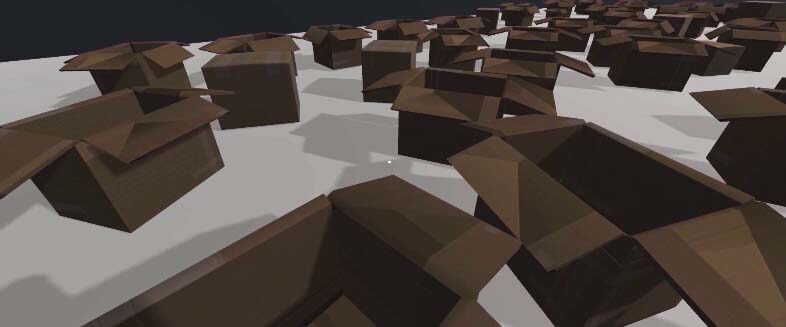
One week in ten minutes is a video in which the recording of unboxing, the act of opening the boxes, confronts the viewer with the repeated search in empty boxes that contain absolutely nothing. Each box is the promise of a gift which is to come, promising a gift whose dispatchment is always deferred.
Every expression of the subject is inherent in the body image, indicating the lack of being, which desire tries to cover.