

Me, herself & ai
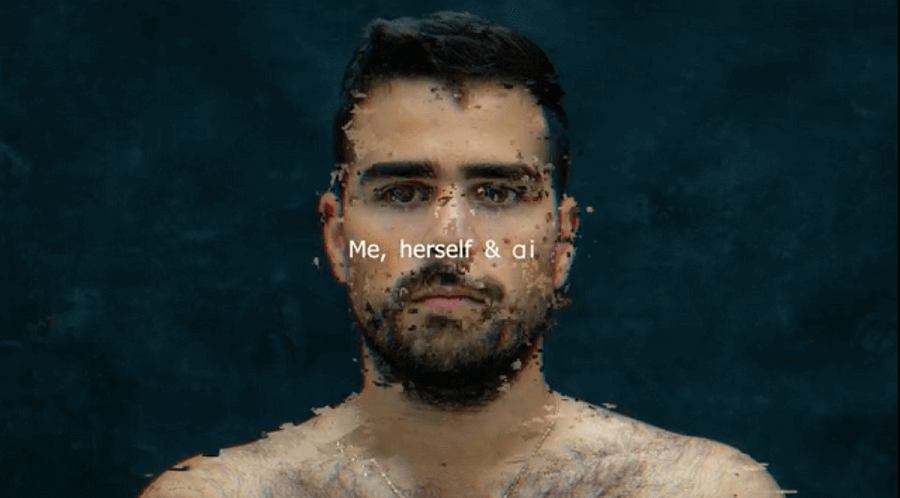
Mirror project that interacts with "Me myself & ai" by Sofi Moutafi. The creation of this work results from the collaboration of man and machine, which places it at the intersection of these two great sets. In this way we ask the question: what is real and what is not? What is considered art and what is fake? IS there really a limit at the intersection of the two sets or is this also another part of the journey?
Related Works
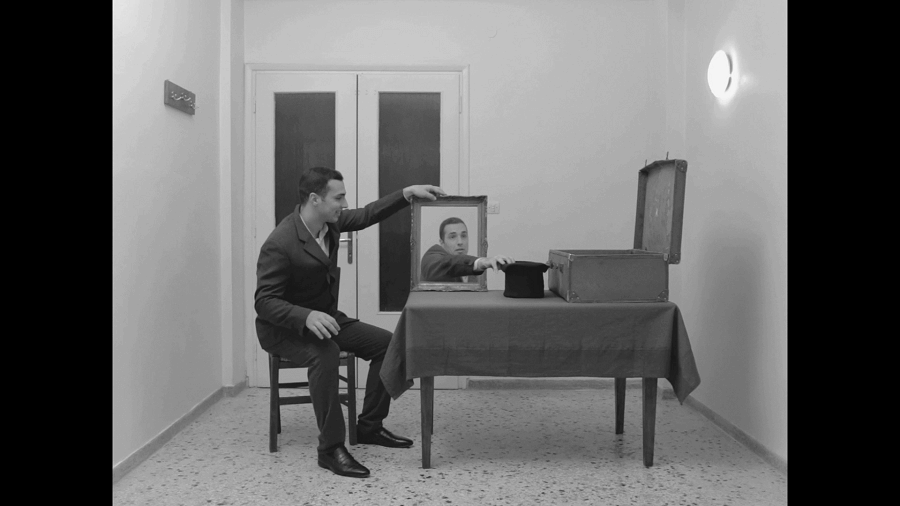
The main subject of this thesis is to analyze the special effects that George Melies used and invented, as well as the creation of a short film with special and visual effects, inspired by Melies’ work. This film has been implemented using modern techniques, aiming for an outcome that seems realistic but cannot actually happen in real life. All the techniques that have been used to create the film will be analyzed in depth.
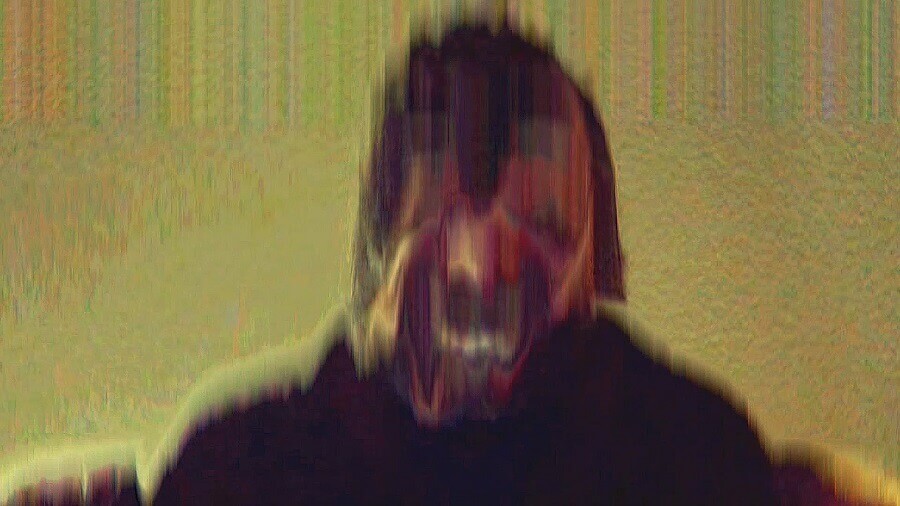
The quarantine's experience time has functioned as a humanized time. Its previous social barbarity was imprisoned in the familiar cage of my soul and became my creation time. Each day was my friend, an eternal circular and dynamic present, a consciousness without conflicts. It was like an eternity that is experienced differently every moment. An unprecedented form of stillness gripped me and perpetuated in many abstract fragments which finally formed the new texture of my existence, in this peculiar isolation. I became from the carcass of time I was before, its qualitative disintegration… Reality was distorted and experienced illusively. The time from the alienation that was before, was transformed and became the cover for the scratched truth of myself. This kind of time my conscience had dreamed to live.
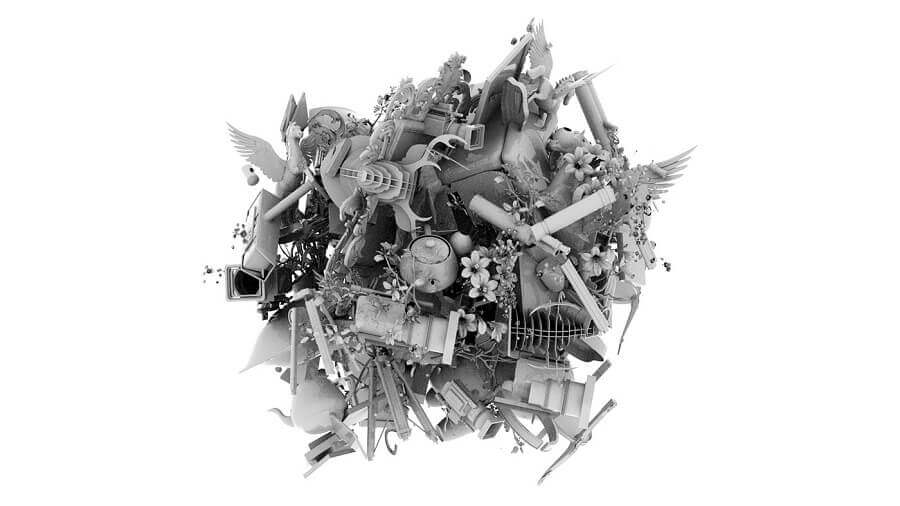
The project composes a series of random artifacts relating to art and design history, used either ας decorative or utilitarian artifacts, turning them into a non-definitive object [bouquet] floating in space.
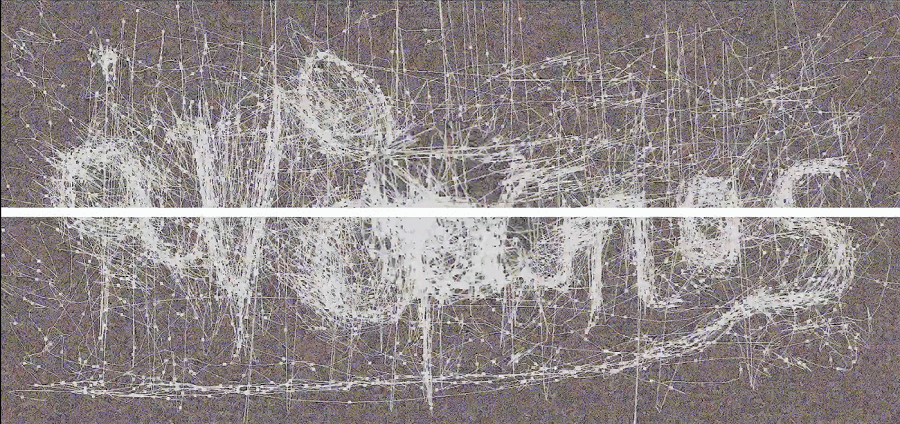
It is a work of digital design in real time that in its evolution displays the Word human, relationship coupling, thoughts and feelings..
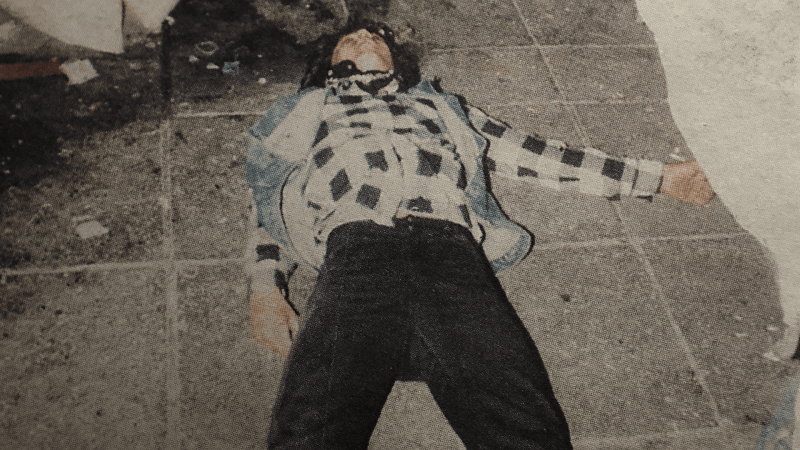
An essay-film which looks for mnemic traces of major political events inscribed in the body of the metropolitan entity of Athens.
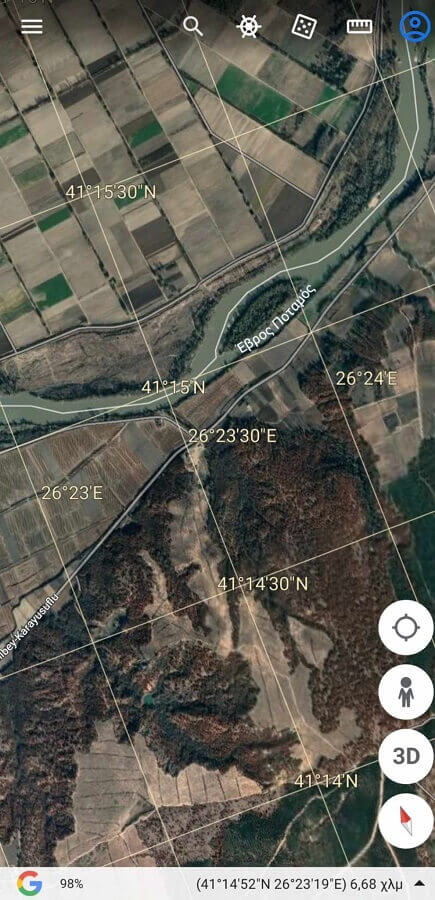
The fulfillment of a last wish leads Filippo to a retrospection from the mountains of Epirus to the recent past of the year 1945. His meeting with his history revives the memory of a whole village, unfolding the relations and the bonding of two peoples against the commands of an era, which is not as far as we think.

The title of this artwork is "Where Do I Exist?". This is a virtual space that explores the relationship between reality and virtual reality. Moreover, it the result of a pandemic society that tends to communicate through social media. It is the impression of our lifes into a virtual world, free from our body and the stereotypes it might follows it. Could we be free from our body and ideas such as gender identity and death? What is the meaning of touch into an immaterial world? Anyone can be part of this artwork with a twitter hashtag of the word #immaterial.
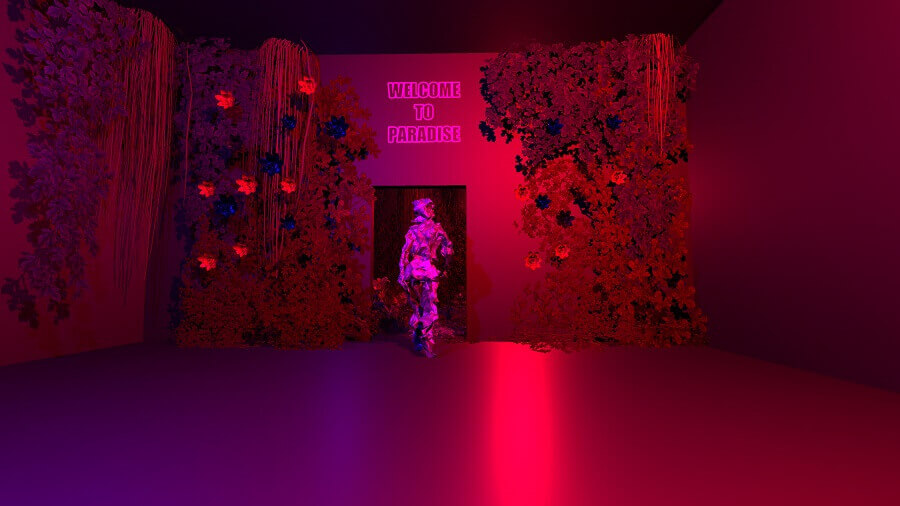
The current project is a digital, interactive, audiovisual application that can be used either as a virtual installation accompanied by a simultaneous projection of its content in the physical space or be distributed as an executable digital medium on any computer, compatible with its technical specifications. It examines the flow of information, its creation, collection, storage, interpretation and utilization through perceptual mechanisms that mutate -enhance or degrade- with the available tools of digital reality and its transformation from a sequence of serial, adjacent and referential values to one unified context, what is usually interpreted as meaning or significance. The participants of this reality are called upon to engage at the degree of signification that expresses them better, ranging from a purely perceptual and empirical viewing to a frantic clarification of everything included.
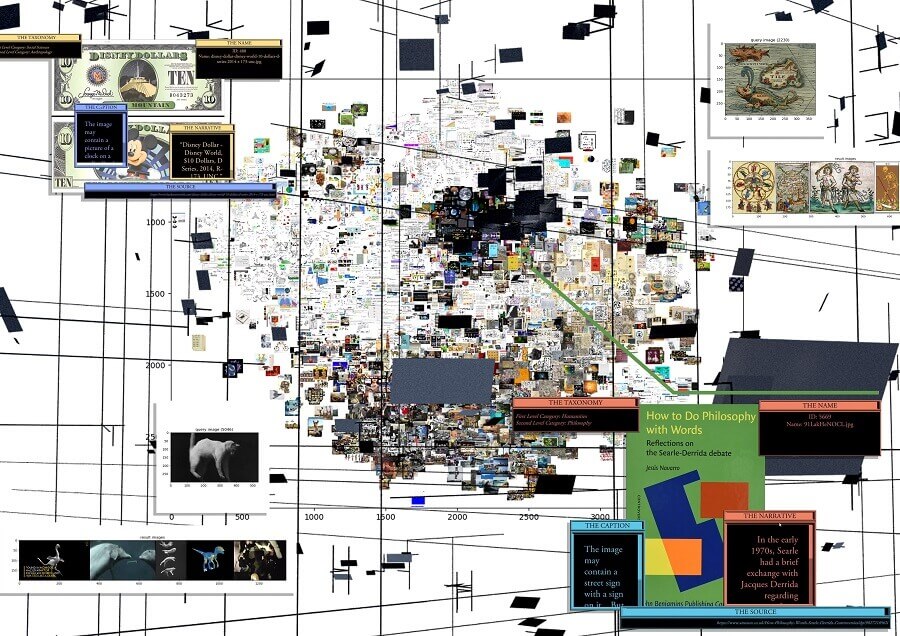
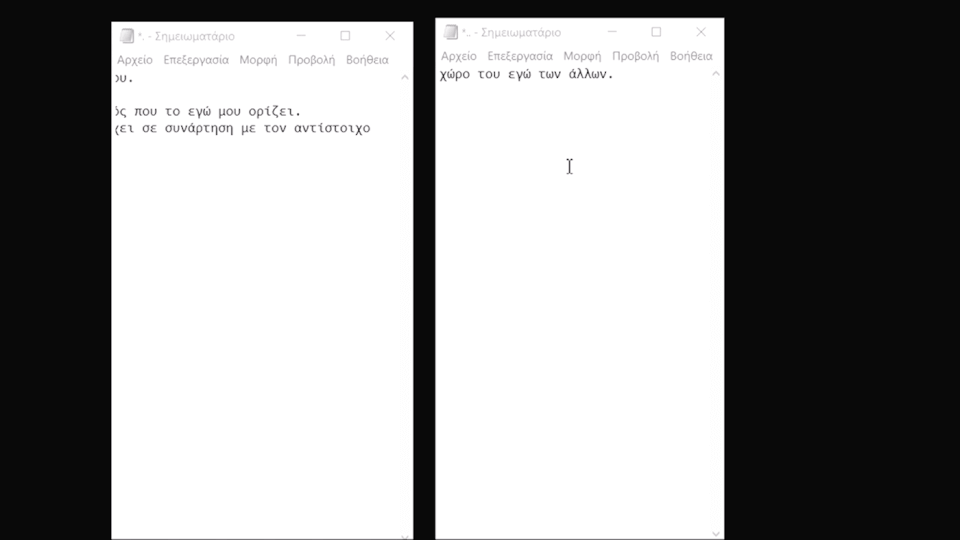
Α work based on the rules of kinetic poetry and explores the relationship between Space and Self. The Space defined by our Self [Ego] is malleable, it changes and interacts with the Space of Others. Physical and non-physical, the Space covered by the Ego is hetero-determined and constantly changing in eternity.