

Related Works
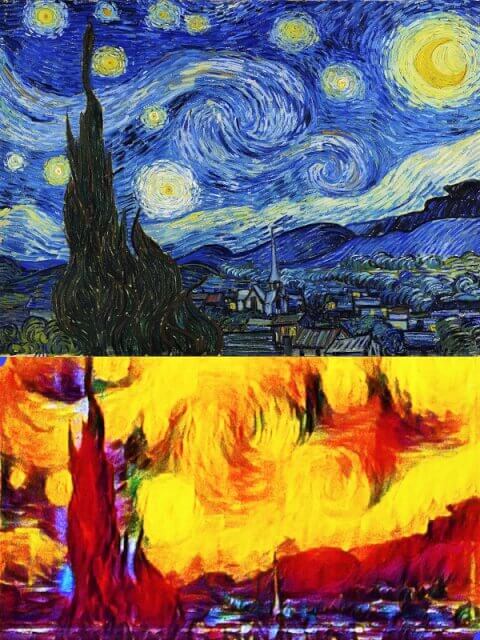
As Vincent van Gogh's "Starry Night" is one of my favorite paintings, I created an acoustic composition with the main goal of creating an atmosphere with a freer and more abstract approach. The small touches, the colors, the swirling flow, the natural landscape of the painting and the psychosynthesis of the artist are captured. The piece in combination with two images consists of three parts. In the first part, the night landscape is presented, in the second the intense emotions of the artist and in the third the nature with its power that calms the human soul.
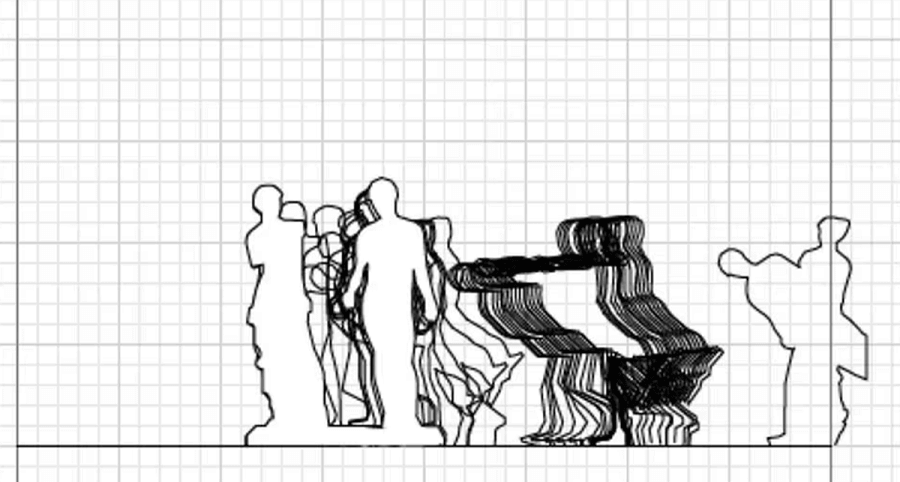
This is a Iove story between a female statue and a man. It is about the pious desires of people ας they apply them to the interpersonal relationships they develop.
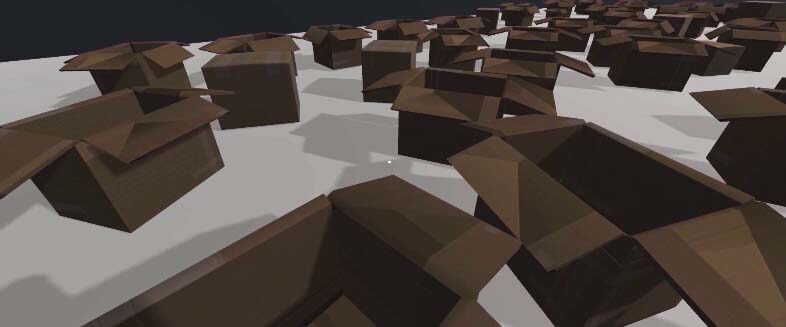
One week in ten minutes is a video in which the recording of unboxing, the act of opening the boxes, confronts the viewer with the repeated search in empty boxes that contain absolutely nothing. Each box is the promise of a gift which is to come, promising a gift whose dispatchment is always deferred.
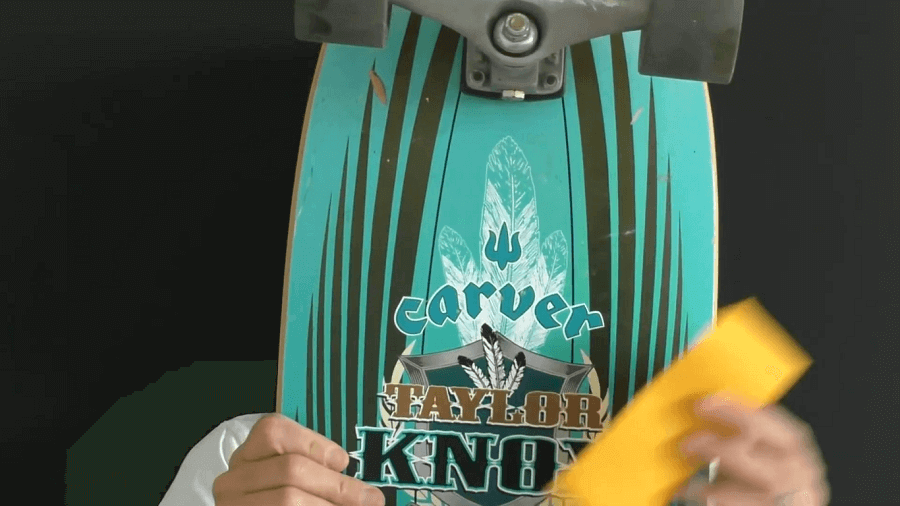
Moments that meet and compose new ones through clips of a few seconds. Their common point is the associative thinking during their creation and the sense of the surrealistic-dreamlike mood.
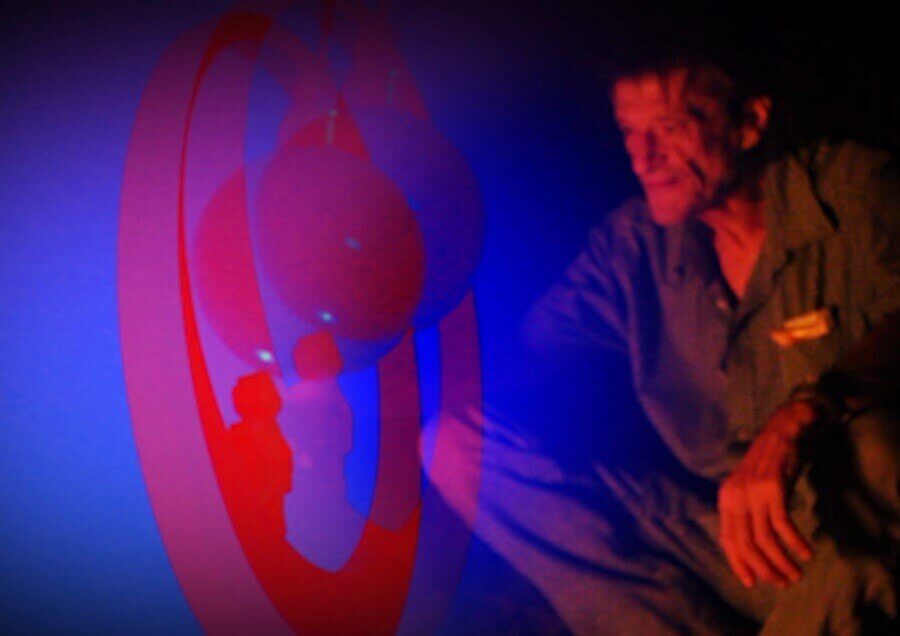
The title of this artwork is "Where Do I Exist?". This is a virtual space that explores the relationship between reality and virtual reality. Moreover, it the result of a pandemic society that tends to communicate through social media. It is the impression of our lifes into a virtual world, free from our body and the stereotypes it might follows it. Could we be free from our body and ideas such as gender identity and death? What is the meaning of touch into an immaterial world? Anyone can be part of this artwork with a twitter hashtag of the word #immaterial.
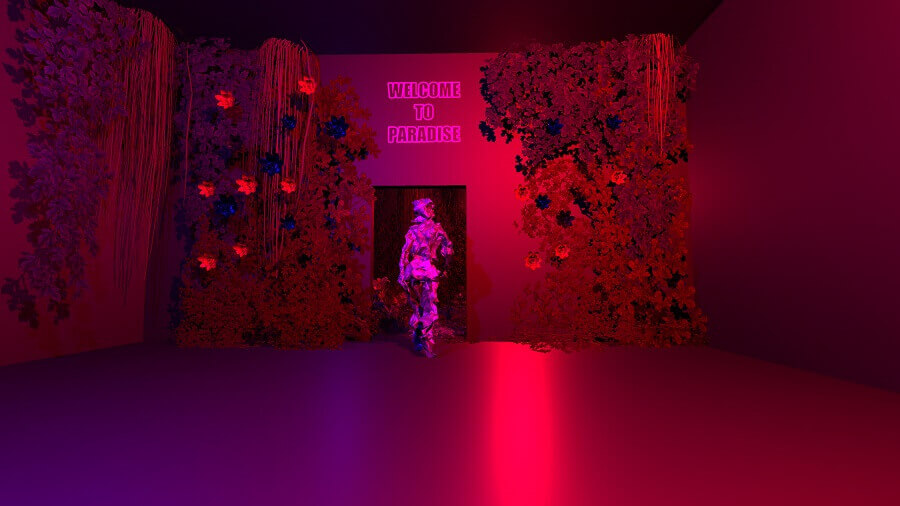
Presentation of 3d projection mapping, on Church of Panagia ton Xenon, Kyra - Faneromeni (Old Town, Corfu, Greece), October 2, 2020 at 10:00.
In the dissertation, following the strategy of deliberate ambiguity and crossing different eras, we go through a path of images and information, which express hope and fear in various fields and they characterize every culture and every society.
At the same time, moving from formalism to realism, it emerges that the Aristotelian definition of the representational unity of space-time-action is no longer valid in art. Undoubtedly, the formalist movement has shown that planes are understood not only as sequences of logical units, but also as theoretical or ideological conceptions, where their connection is not legitimized on the basis of the principle of space-time unit, but by some abstract theoretical model, such as is the model of metaphor, the path through contradictions, symbolism and anything else that enhances the removal of the theoretical model. But also internal realism, which is not a theory of truth, highlights the convergence of two seemingly incompatible ideas.
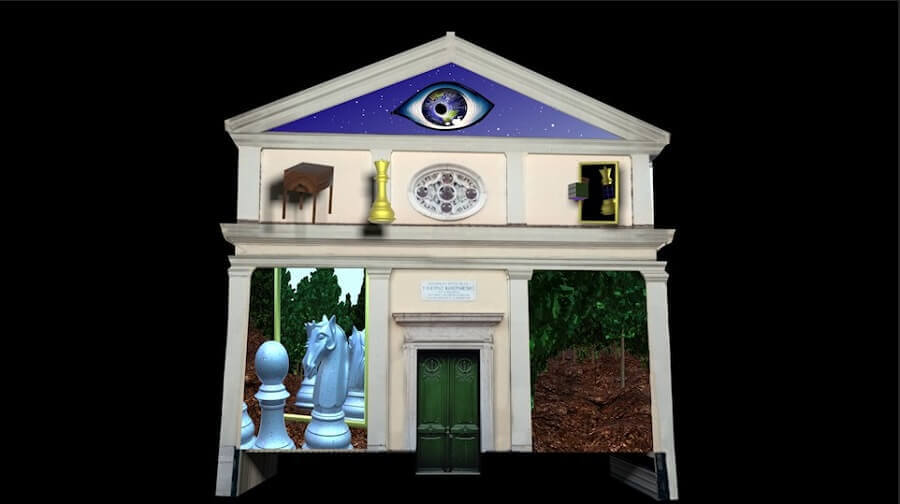
Α work based on the rules of kinetic poetry and explores the relationship between Space and Self. The Space defined by our Self [Ego] is malleable, it changes and interacts with the Space of Others. Physical and non-physical, the Space covered by the Ego is hetero-determined and constantly changing in eternity.
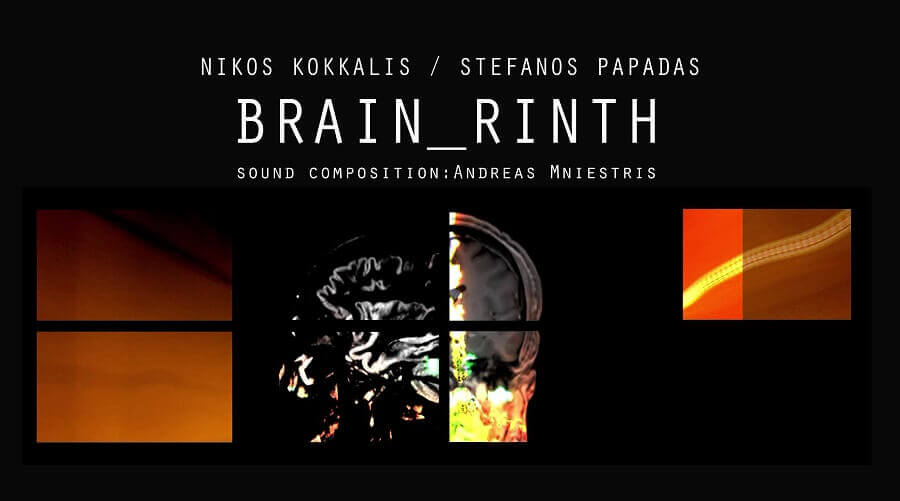
BRAINRINTH is a multi-channel video installation. The work attempts – through technology – to approach brain-related functions of memory, drawing on material from personal experience of the body in crisis. The title BRAINRINTH –from the words Brain and Labyrinth – is a play on the intractable riddle of an archetypal Greek structure (the labyrinth) and the labyrinthine processes of the human brain. The BRAINRINTH installation seeks a poetic mapping of the human brain.
Due to the shock of trauma, our understanding of the functioning of the body, and of nature itself –which we are trying to dominate – seems desperate and full of anxiety. Taking this into account, if we adopt a position in which we keep a distance of aesthetic neutrality, perhaps this reality begins to look less frightening.
Τhis piece refers to a suffocating relationship between a father and a son. This oppressive relationship is expressed by the father’s obsessive calls to the son to come and eat his food warm. The son lives in an imperative rhythm of breakfast/lunch/dinner with few getaways because his father never stops calling him, while having a piercing voice. The father lives in a rhythm of constant orthostatic food production. A very elastic son, a very rigid father. A piece of wood, also rigid, who attracts the son. She had been washed by the sea. The highest boiling temperature is at sea-level. Splashing and seething became one. Apnea and immersion in his father’s pot, which is the symbol of his influence, eventually are leading to his release. He tightened so tight on her that for the first time he was stabilised. They were swept away from the waves and while floating they turned into furniture.