

Excitatio Corcyrae : Player’s Guide
Related Works
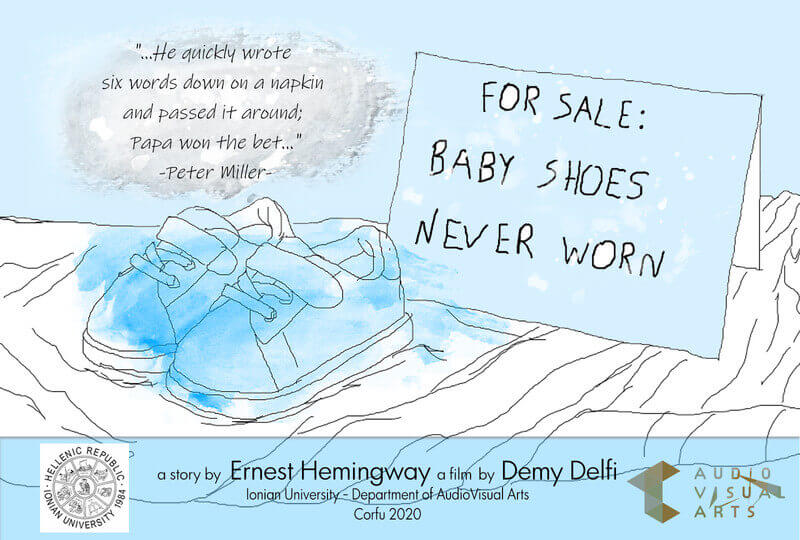
Between 1920 and 1930 the writer Ernest Hemingway was at a bar in Paris with other artists. When he claimed he could write a story in just six words, everyone in the company made fun of him. Then he made a money bet with them, that he could indeed write a story formed in three sections - beginning, middle and end - in just six words. So, he took a napkin and wrote: "For sale: baby shoes never worn". He definitely won the bet, since his story was complete.
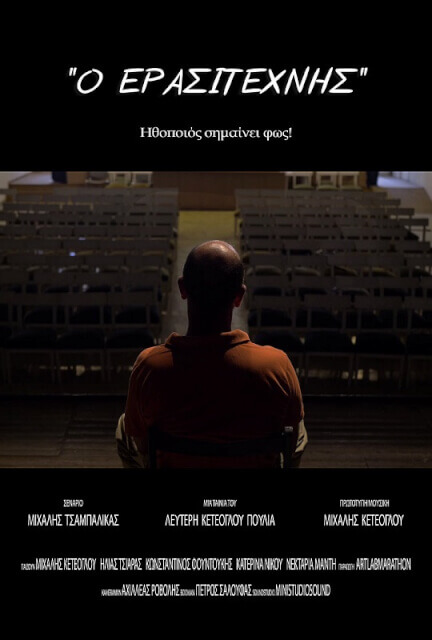
A professional electrician works in the villa of the rich professional actor. The electrician is also an amateur theater actor. The love of the amateur actor seems to be greater than the famous actor. The famous actor tries to make money but the amateur tries to do what he loves.
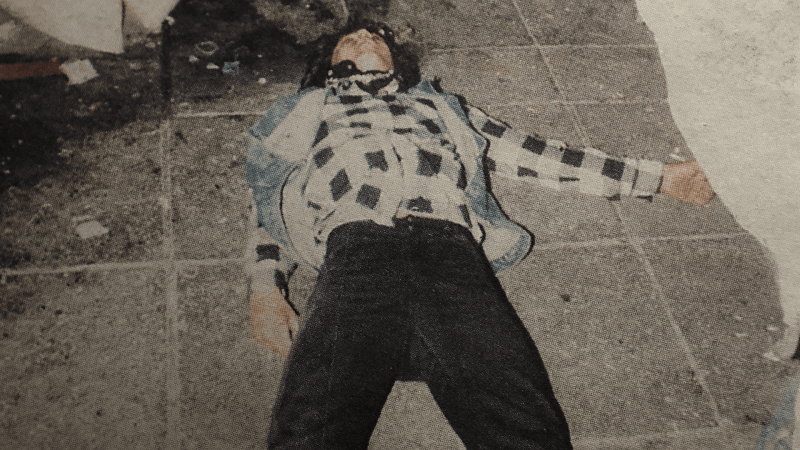
A day in my mother's life. The documentary shows her daily routine, something that I personally find very interesting as I believe that the true self of a person lies in the "insignificant".

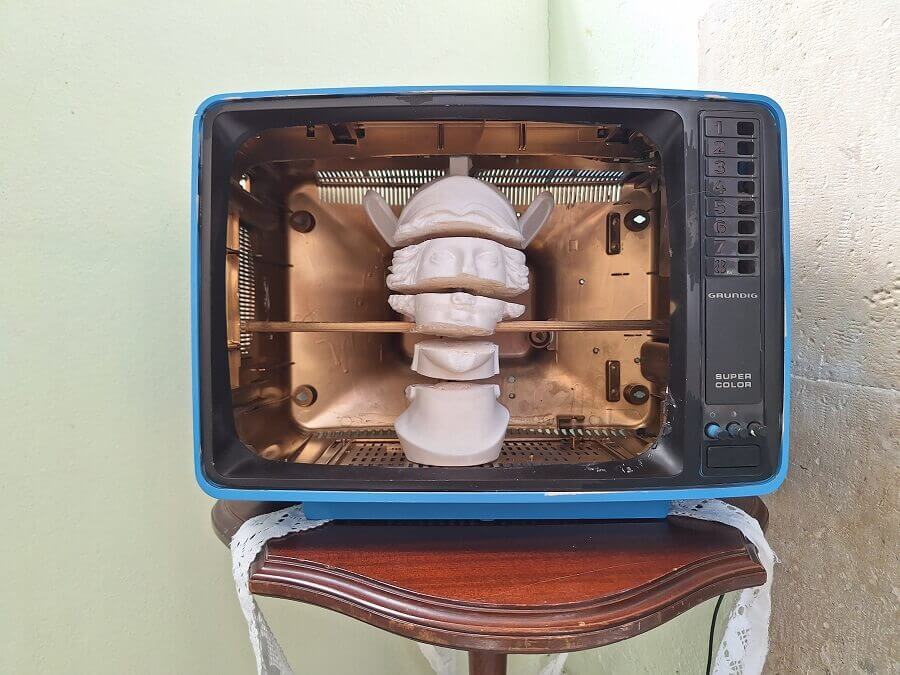
Every expression of the subject is inherent in the body image, indicating the lack of being, which desire tries to cover.
An essay-film which looks for mnemic traces of major political events inscribed in the body of the metropolitan entity of Athens.
The AVARTS team's project "Filter Bubbles" aims to raise critical reflection on the extent of the responsibility attributed to algorithms and technology for the formation of these "isolation bubbles". Furthermore, through the artistic process, it aims to weaken the positive feedback loops that gigantize imperfect information, foster fear and undermine creativity.
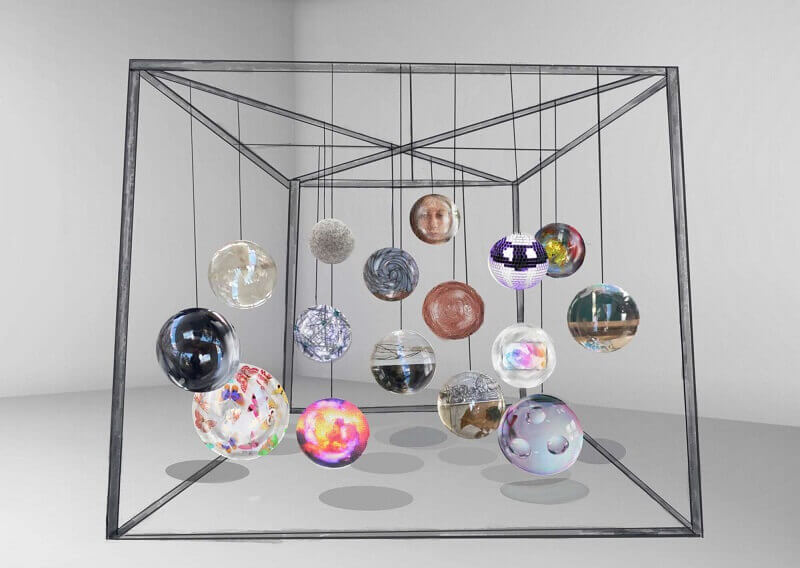
Paraphrase, reference of the title to the depression caused by the shocking images of drowned children in the Mediterranean, the watery grave of persecuted refuges.

In the realm of acoustic hyper-reality we meet aural simulacra of the order of maleficence. These are signals that mask and denature a profound acoustic reality. They are referential and representational, but in a way that they dissimulate reality and become its twisted Doppelgängers. Simulacra of the order of maleficence are perversions of reality. With the sound artwork ‘Natural Perversion’ Through a set of sonic processes the artist delves into autogenerative, autopoietic, responsive and biomimetic modes of creation exploring how the original naturally produced audio signal can be transformed into a sonic caricature and depending on the way it balances between its signifier and its signified aspect, it may re-interpret naturally produced concrete audible events into a musical language which serves both the acousmatic and the non-cochlear approaches to contemporary sound art.